
There is also a financial dimension here that is often underplayed. The furniture poverty report notes that investment in basic household provision generates significant public savings, including reduced demand on health services and homelessness systems. Reading these reports side by side, you can see this very clearly.
Without upfront investment in liveable homes, costs appear later in health, welfare and crisis services. Then the absence of material stability means that tenancies are harder to sustain, which increases churn and creates pressure in the system. Ultimately, without adequate structures of support, the burden shifts to an already stretched workforce.
I can see at least three implications. First, housing standards need to move beyond structure to function. A decent home is not only one that is safe and compliant – it is also one that enables everyday life. This includes access to essential furniture and appliances as a baseline, not an add-on.
Second, prevention needs to be understood materially. Early intervention is often framed in terms of advice, support or behavioural change. These matter, but so do the physical conditions of the home. A bed, a cooker or flooring can be preventative infrastructure.
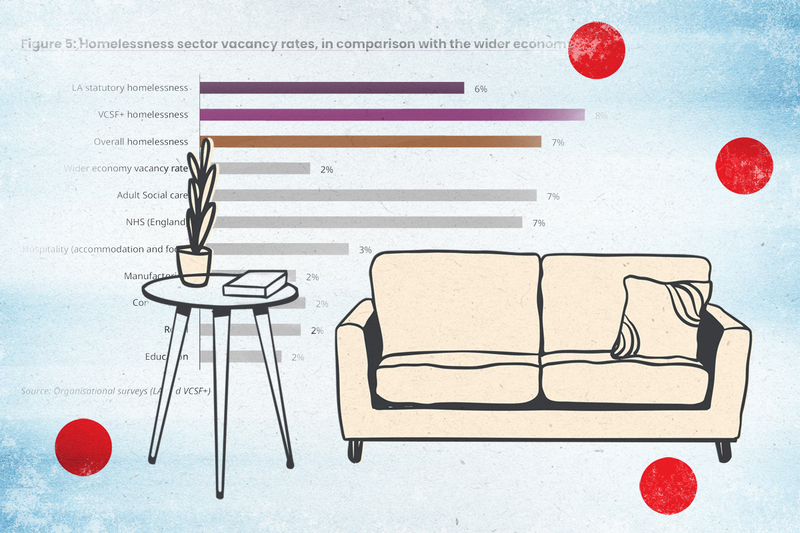
Third, workforce pressures are red lights in a system. Burnout, vacancies and retention issues are not only immediate workforce problems, they are the effects of a wider system.
Housing policy often works with large numbers – homes delivered, households assisted, units funded. These reports bring attention back to smaller units: beds, tables, staff hours and individual caseloads. Paying attention to these fundamentals – yes, sweating the small stuff – is what enables stability and security at scale.
Philip Brown, professor of housing and communities, University of Huddersfield, and member, Thinkhouse Editorial Panel