

The views expressed in this column are solely those of the author.
On Closer Inspection with Dixie Lee MacDonald— a second look at the rules, language, and habits of Ontario real estate. MacDonald is a sales representative and a real estate educator with various organizations. She has spent 16+ years in residential resale — and even longer reading the fine print.
For much of 2020 and 2021, I worked in Toronto condo towers, and I remember the elevators more than the units. Doors closing on a small metal room, four or five strangers, and at least one mask pulled down under a chin or not there at all. Building after building. What I felt was frustration, and something harder seething beneath the surface, a feeling of betrayal that so small a courtesy could be too much to ask.
Around the same time, I sold a unit in a large complex in the city to a buyer who never set foot in it. Neither did the buyer’s agent. The whole thing, from first look to firm deal, happened over FaceTime. My phone was the showing. My sellers were health care workers, and we communicated exclusively by Zoom. They were exhausted most of the time.
Five years on, the virus is mostly a memory, but the remote and virtual methods of managing real estate transactions have become the main way we work, transforming industry relationships and practices.
The part nobody planned for
The permanent change is that we do almost all of this alone now.
Buyers research alone. They arrive at a first meeting having toured 40 properties on a screen and formed a firm opinion before anyone in the business spoke to them. Offers move by email. Negotiation is a thread. I have registered and closed deals from start to finish with an agent I never once spoke to, not even by Zoom, only emailed or texted.
Brokerage life thinned out at the same time. Previously, the office was where a new registrant overheard how someone handled a difficult seller, and where you learned the reputation of the other agent. It was also just company, the kind that notices a bad month before you get around to mentioning it; someone to have a laugh and lunch with. A registrant who joined in the last five years may never have had that and would not know to miss it.
The same thing happened to the places where I now mostly work. Quinte and Prince Edward County took in a wave of people who chose a town from a listing photo and an online reputation. Some built lives here. Others bought an idea of a place and arrived to find they had no relationship to it. Nobody had walked them down the main street or through the neighbourhood. That introduction used to be an integral part of the job, and it won’t survive happening over FaceTime.
Buyers did not complain; they had accepted the risk, and this way of doing business quickly became normalized; that is what makes it easy to keep doing.
The tutorial I am proud of and slightly wary of
Early in the pandemic, I put together a short tutorial of Zoom and DocuSign and started walking every client through it at the beginning of every transaction. Many of them had never used either, and seniors especially were being asked to learn two unfamiliar systems in the same week they were making large financial, life-altering decisions.
It worked better than I anticipated. Clients who had been unsure of, or intimidated by, the technology came out of a 20-minute session much more confident, and that confidence carried into everything after it. Documents needing signatures came back in minutes instead of days. Errors dropped because nobody was guessing or playing telephone tag, and we documented everything in real time, simultaneously.
I would do it again. I also know what it did. I taught a lot of people they never needed to sit at a kitchen table with me, and I have not always gone looking for reasons to sit at one either. Efficiency is genuinely valuable, and it is also the easiest thing in the world to hide behind.
What was worth keeping
Positive changes were accelerated: the tools arrived in months rather than decades. Digital signatures, virtual tours, remote closings and video consultations went from novelty to default. These tools are undeniably beneficial in most regards. And there was another positive: I had been trying for years to practise more as a green agent, and the COVID-19 pandemic finished the job the arguments never could. Nobody wanted paper. Feature sheets, brochures and the stack of business cards on the kitchen island disappeared in a week because touching them was suddenly a risk. I never went back, and no buyer or seller asked me where the brochure went.
What the frenzy actually left
The frenzy of this pandemic time is easy to overstate in hindsight. Bidding wars, bully offers and waived conditions marked a market with low inventory and even lower interest rates. When rates rose, most of these issues receded. Conditional offers came back; multiple offers were rare. That period did not permanently alter how we write offers in this province.
What it left is more specific and lingering: many buyers who purchased at the top are now stuck. Sellers still anchored to numbers that stopped being real years ago. And registrants who learned the business in conditions that no longer exist, who have never negotiated a condition or had to tell a seller that the price is the problem. Some of them are excellent on video. Many of them have never enjoyed the benefit of learning by example or the fellowship of a workplace. Some of those who are comfortable behind a screen are less comfortable in person, which makes it difficult to develop the true rapport essential to repeat business and referrals.
The still unexplained
Nobody has properly tracked the sight-unseen buyers. Five years on, I could not tell you how many stayed, how many are quietly relisting or how many ever intended to live here at all. The data lags well behind what agents feel on the ground, and the full pattern will take longer than five years to show.
The COVID-19 Pandemic changed the industry, and the results are still arriving.
What I would most like back is the ordinary friction of doing this work in the same room as other people. The client who asks the real question 40 minutes in, once the coffee is poured, and never would have asked it on a video call with a hard stop. I think too about the people making the largest decision of their lives from a couch, staring at a screen, with nobody there to read their faces while they sign. I think this in-person contact and human connection with our clients is even more critical now, as AI begins to encroach on our role as real estate salespeople.
I have closed transactions with other registrants whose faces I would not recognize in a grocery store aisle and whose voices I have never heard. Nothing about that cost my clients a dollar. But money was never the whole ledger. We did gain much in those five years. I think we lost more.
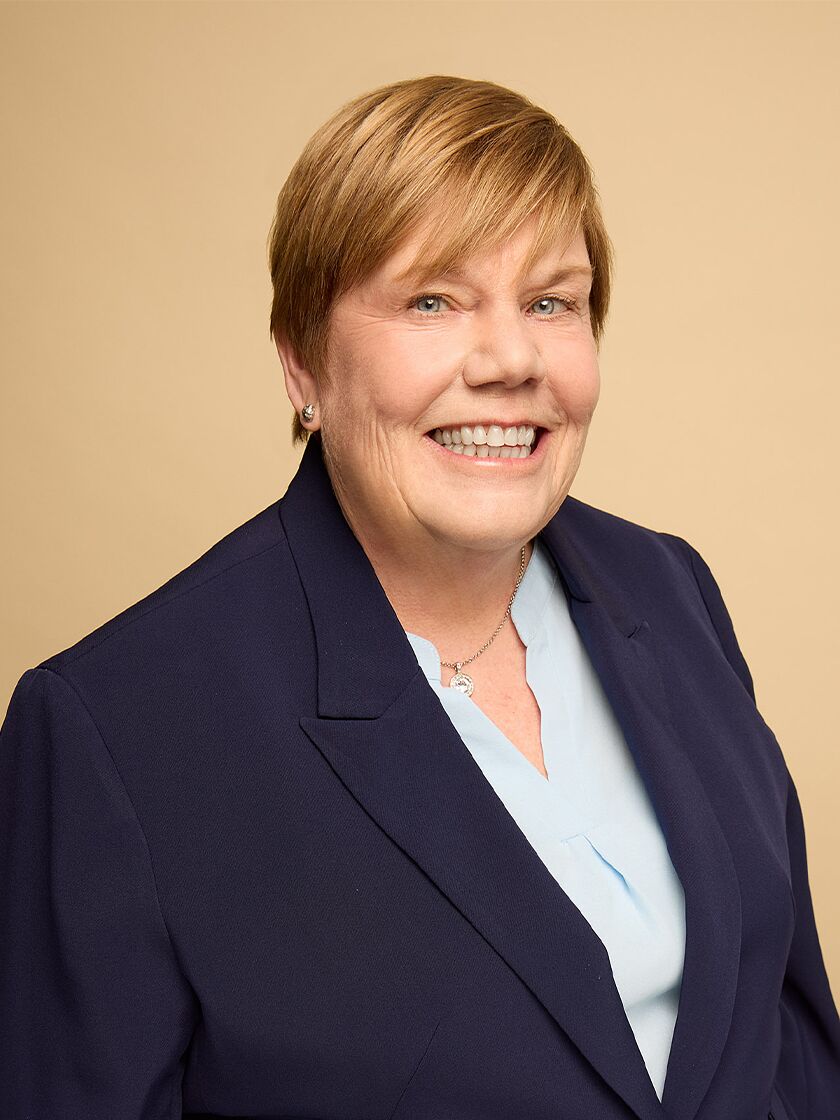
Dixie MacDonald is a sales representative with Sotheby’s International Realty Canada in Prince Edward County and Quinte, with more than 16 years in residential resale. A trusted and effective Realtor, she welcomes referrals.
In addition to a B.A. in English Literature and two certificates in adult education, she holds the SRES, ABR, GREENre, CCRS, CCGR and PSA designations. She facilitates in the provincial real estate education program and is a professional development instructor with various boards and associations. She writes for REM and on Substack.
Dixie MacDonald Sales Representative Sotheby’s International Realty Canada 1867 Yonge Street, Suite 100, Toronto ON M4S 1Y5 t 416.960.9995 | f 416.960.3222 dixie.macdonald@