
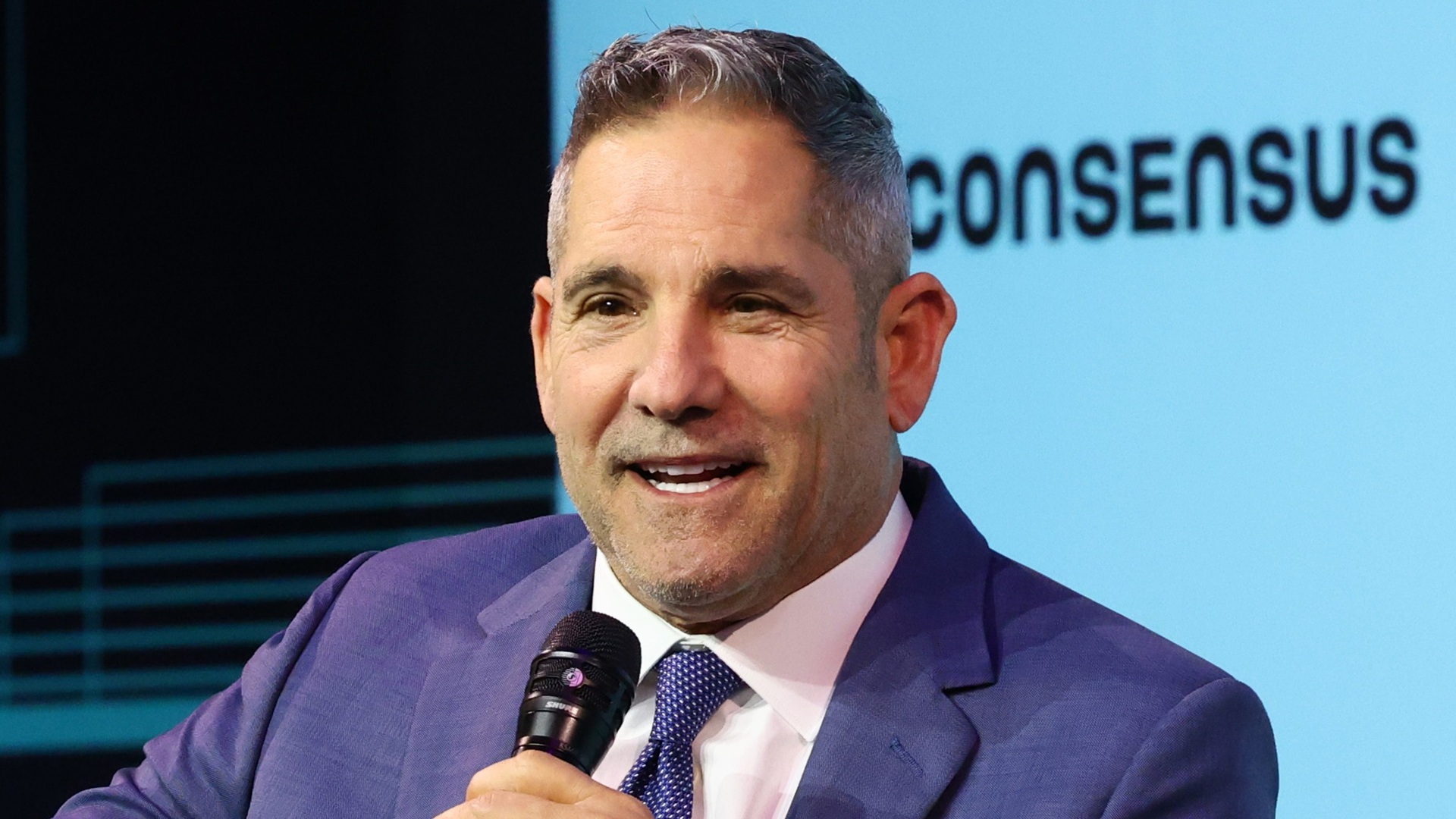
Grant Cardone has completed $5 billion in real estate deals. The deals he didn’t do saved himself and his investors hundreds of millions of dollars.
“There’s probably another 10 billion that I did not do,” Cardone said in a recent video. He identified three expensive mistakes that prevent investors from losing money in real estate deals. Read about them more below to gain his insights rather than learning the hard way in hindsight.
Keep Learning: How 3 Property Loan Options Can Accelerate Real Estate Investing
See for Yourself: 10 Subtly Genius Things All Wealthy People Do With Their Money — That You Should Do, Too
1. Develop Your Discipline
The first mistake has nothing to do with financial formulas. Discipline is a personal characteristic that develops over long periods of time.
“[Practice] discipline not to jump too quick, too soon,” Cardone said. The old real estate saying claims your money’s made on the buy. “The concept is you want to buy when you know for sure you’re going to make money,” he said.
2. Analyze an Abundance of Deals
The second mistake is failing to underwrite sufficient properties. “You have to look at a lot of deals,” Cardone said. Investors in markets like San Antonio, Nashville, Atlanta, Phoenix, Las Vegas, Los Angeles and Boston need to analyze multiple opportunities.
Cardone detailed his own process. He’s been to Dallas four times over four years on significant trips. In Houston, he looked at 6,000 units over one week. He visited Austin four times and Nashville three times. During one 10-city tour, he examined 60 to 80 different deals and didn’t invest in any of them.
“You have to underwrite lots of deals in lots of markets to actually determine what a real market looks like,” he said. You can’t understand a market in a minute or make an offer on the first deal you see.
Cardone’s first real estate score came in Vista, California where he made $5 million. He knew immediately he would buy it when he saw it. The seller paid $5.3 million to build the property and Cardone paid $1.9 million to buy it.
However, that instant recognition came after three years of shopping markets. “I spent three years prior to that shopping markets so that when I finally saw that one deal, I knew I could buy that deal because I had all the data,” he said. He knew replacement costs, what the builder had sold for and had a seller with tremendous urgency.
3. Go With What You Love
The third mistake is purchasing properties you don’t immediately love. “If you don’t love it right away, leave it alone,” Cardone said.
When you sell three, five, seven or nine years later or refinance the property, the lender has to like it and the next buyer has to like it. If something doesn’t feel right about the neighborhood or location, the next seller will feel the same thing. The bank or lender will feel it, too, along with renters and leasing agents.
Cardone looks at 100 deals to buy one. He immediately rejects 50 of those hundred without full underwriting. “When you look at that many deals, you’re going to know neighborhoods, markets, demographics, rents, growth, supply coming on,” he said.
The Current Market
Cardone called 2026 a phenomenal time to get in the game and start looking at real estate. The current market has high inventory, many sellers and fewer buyers, similar to the conditions that led to his Vista success.
Every deal should make investors a million dollars. “I know for sure 100%, like with 99% certainty at least, I know I’m stealing,” he said about deals he pursues. He knows cash flow will work, debt will be available, rents can increase and supply won’t overwhelm the market.
Cardone spent three years studying real estate on a daily basis. Every weekend while working his full-time job five days a week, he shopped real estate, walked properties and talked to brokers. He’s examined tens of thousands, (and probably more like hundreds of thousands) of units to determine where to invest.
His final advice centered on protecting investors. Buy a great piece of real estate, pay investors, take care of the lender, take care of the property and take care of investors. “And you’ll do this over and over again,” he said.
This article was provided by MoneyLion.com for informational purposes only and should not be construed as financial, legal or tax advice.
More From MoneyLion: