
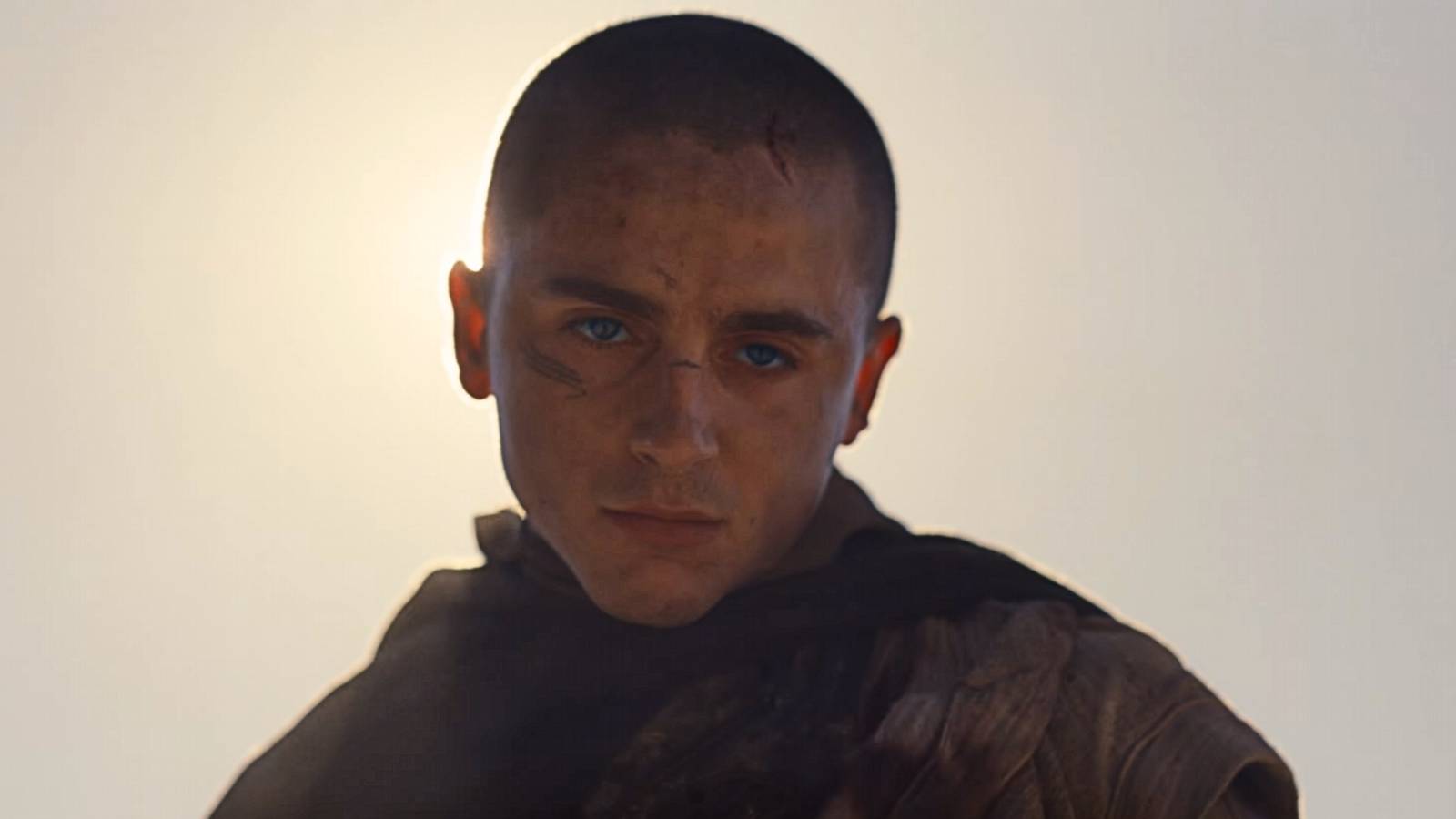
On Apr. 6, 2026, Warner Bros. announced that they were putting opening weekend tickets for Dune: Part Three on sale. Rather than selling tickets for every showtime, these tickets are for the in-demand, scarce IMAX 70mm print screenings of the film. The news broke so quickly that AMC didn’t even have time to email people about it. With barely half an hour before tickets went on sale, moviegoers were forced to quickly make plans eight months in advance if they wanted to see Dune: Part Three. The number of people trying to get tickets was so high that AMC’s app went down multiple times.
The tickets sold out within minutes. Tickets for the first showings in IMAX 70mm of Dune: Part Three and Christopher Nolan’s The Odyssey being sold a year in advance certainly make for eye-catching headlines. It also proves there is a massive demand for audiences to go to the movies when the future of theatrical releases is a question mark. However, these short-term gains appear to be part of a troubling trend. If more studios follow it, we could eventually see the same Ticketmaster frustrations that befell the music industry hit theatrical distribution, one where tickets are bought to be resold.
Planning a Trip to the Movies Should Not Be This Stressful

Shortly after tickets for Dune: Part Three went on sale and sold out, reports emerged of people scalping them for $1,000. Now, if someone is willing to pay that price to see a movie that would cost at most $30 in that specific format on opening night instead of just seeing it in regular IMAX or waiting a few days to see it in 70mm IMAX, that is their choice. Of course, releasing a few tickets for an exclusive format available in only 20 theaters is going to drive demand. The hope is that this demand will inspire more IMAX theaters to be built with 70mm projectors. However, the more immediate effect will likely be more studios partnering with theaters to put special limited-engagement showings on sale six months to a year in advance.
Now it’s normal for a smaller film to generate large per-theater averages due to the small number of screens or theaters. It also isn’t uncommon or wrong for studios to release movies in limited release in select markets like Los Angeles and New York before expanding widely. Although it’s frustrating for those who don’t live in one of those major cities, this is done to build word-of-mouth. That’s not exactly the case for Dune: Part Three or The Odyssey. These films are getting wide releases when they come out.
It’s worth noting that the Dune: Part Three and The Odyssey tickets were only for a specific format, and in The Odyssey‘s case, a certain time. You couldn’t buy tickets for the standard IMAX opening weekend or even regular screenings. This is partly because that plan wouldn’t result in big headlines, and partly because the point is to create scarcity and increase demand when the rest of the tickets go on sale. The goal is to encourage competition from audience members themselves. The communal act of going to the movies has now become a race, with people competing to get their tickets first.
This also begs the question of whether online or reserved ticket purchasing is any fairer than buying the ticket at the theater and waiting in line for the movie. Many people have commented that, depending on their Wi-Fi connection, a millisecond can be the difference between getting their seat and getting an error message saying someone else has already grabbed it. That would ultimately kick someone out of a digital queue and leave them frustrated. How is the arbitrariness of one’s Wi-Fi connection any fairer than buying tickets at a kiosk and waiting in line on opening day to get the best seats?
Anyone who has tried to buy tickets to an MCU movie for opening night can tell you that the AMC app is prone to crashes. So, that is nothing new. In fact, being able to purchase tickets for high-profile movies in advance is nothing new. Audiences could buy Avengers: Infinity War and Avengers: Endgame tickets one month before the films opened. All three films in the Star Wars sequel trilogy went on sale two months before their releases. One to two months is more reasonable than eight months to a year, and also, tickets for every showtime were available at once. So while it might be disappointing to lose the IMAX opening-day screening of Avengers: Endgame at 6 P.M., one could grab tickets to three 6:30 P.M. showings.
This select limited engagement release window so far in advance, while not putting the other tickets up, only encourages competition and scalping, which also happens with concert venues. It feels absurd to ask people to book their tickets so many months in advance, especially since it might take less time to film the actual movie. Sure, if you need to plan to go to a movie as far in advance as you would for a concert or wedding, that does make the movies feel like “events.” But, considering how expensive concert-going has become, does anyone want that?
Movies Should Be An Event…But We Should Not Lose the Every Day Experience

The act of going to the movies is already like going to a concert. There is already reserved seating, which has pros and cons. While it discourages audience members from showing up early or on time to a movie since they don’t need to worry about their seat, it also removes the communal experience of waiting with friends to get into a theater and wait for a movie. While reserved seating at theaters is not the same as at a play or a concert, since the price for all seats is equal, AMC Theaters has considered charging more for specific optimal seats, according to Variety.
The fact that these tickets go on sale quickly and sell out is not a problem in and of itself. In fact, it’s good since it shows a healthy appetite for movie-going (although one has to wonder if the same courtesy of being happy people going to the movies would be saved if this were, say, Avengers: Doomsday tickets going on sale). Although it’s important for movies to feel like events, that wasn’t a problem that needed fixing, given the already one-to-two-month advance ticket window. Audiences being asked to make plans months, even almost a year, in advance, requires quick coordination with little notice. Pushing movies to be “events” that audiences need to carve out time for reinforces the notion that the movie theater is reserved for the biggest movies.
The idea of a spontaneous trip to the theater has already faded thanks to factors like streaming and reserved seating. Now, audiences are being conditioned to believe that a movie needs to be important or an “event,” while other titles can be streamed. It’s like planning a trip to Disneyland. Ironically, it wasn’t a Marvel film that made planning a trip to the cinema feel like planning a trip to a theme park.
Going to the movies should be an event… but it should also be a regular occurrence. Yes, movies like Dune: Part Three, The Odyssey, or Avengers: Doomsday are an event, and it can be fun to plan your showing with friends and family. But also, the theaters should be home to a nice Wednesday matinee of You, Me and Tuscany or The Invite, and you should be able to decide on a whim. Movies are supposed to be the entertainment of the masses and accessible to as many people as possible. In isolation, Dune: Part Three and The Odyssey ticket stunts are nothing but fun marketing stunts. However, it’s also hard not to feel like they are a sign of what is to come. Perhaps in the future, the act of going to the movies will be as stressful as booking a flight for Thanksgiving.