
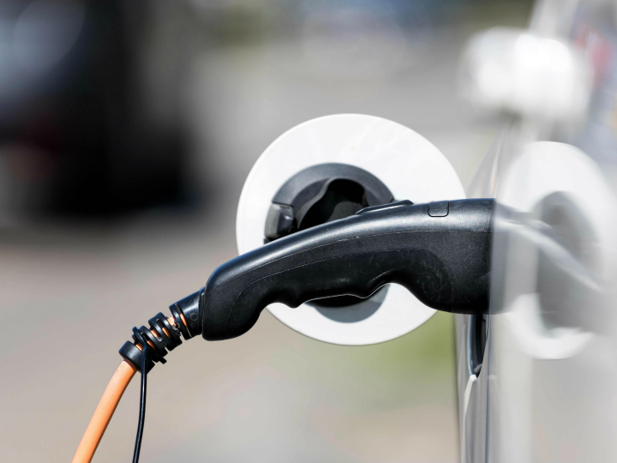

A Cardiff-based electric vehicle infrastructure provider is to rollout a lamp column charging pilot across the city.
The PLUG Charging project, brought forward in partnership with Cardiff Council, upgrades existing street lighting infrastructure.
It seeks to provide “convenient residential EV charging, specifically designed for longer dwell times such as overnight charging”.
A spokesperson for Cardiff Council, said: “The 80 chargers will be installed across the city, including on residential streets, outside homes, and near businesses. The pilot aims to help residents who have an electric vehicle but don’t have a driveway or other off-street parking available to charge their vehicle at home, as well as playing a role in giving residents the confidence to switch to an electric vehicle.”
Priority locations for the pilot include Heath, Gabalfa, Cathays, Roath, Penylan, Adamsdown, Splott, Riverside, Canton, Grangetown and Butetown. All areas are identified as having low levels of off-street parking.
Jarrad Morris, CEO, PLUG Charging, said: “As a Cardiff business, we’re proud to be delivering infrastructure that genuinely serves the communities we’re part of.
“This pilot is about more than just charging points, it’s about making the transition to electric vehicles accessible and fair for everyone, regardless of whether they have a driveway. The fact that our app is available in both English and Welsh reflects our commitment to being a truly Welsh business, serving Welsh communities.”
Carl Morris, technical director, PLUG Charging, said: “This project is about making EV charging work for real people in real communities. By focusing on residential streets and longer dwell times, we’re providing a practical solution for those without access to off-street parking. Importantly, the benefits of this transition are felt locally, with direct investment back into Cardiff communities.”
The Cardiff pilot forms part of the council’s wider electric vehicle strategy, which aims to deliver at least 1,500 charge points across the city by 2030.
The pilot, if successful, could be rolled out to further locations across Cardiff and serve as a blueprint for other towns and cities across Wales and the UK.