

Written by Emily J. Thompson, Senior Investment Analyst
Source: CNBC
Updated: 49 minutes ago
0mins
Source: CNBC
- Extreme Price Volatility: On January 28, 2025, silver prices surged past $120 per ounce before crashing nearly 30% in a single day, highlighting extreme market instability that could undermine investor confidence.
- Signs of Market Recovery: Despite initial suppression during the Iran war, both spot silver and futures have risen 10% over the past month, currently trading around $87 per ounce, indicating a gradual market recovery.
- Analyst Insights: HSBC analysts argue that silver is ‘fundamentally overvalued’ with limited upside potential, suggesting that the gold:silver ratio may widen, indicating potential declines in silver prices even if gold rallies.
- Impact of Industrial Demand: As a critical component in various industrial goods, silver’s price is more sensitive to economic cycles, and analysts warn that reduced industrial demand and increased supply may pressure prices further into 2026.
Trade with 70% Backtested Accuracy
Analyst Views on HSBC
About HSBC
HSBC Holdings plc (HSBC) is a banking and financial services company. Its business segments include Hong Kong, UK, Corporate and Institutional Banking (CIB), and International Wealth and Premier Banking (IWPB). Its Hong Kong business comprises retail banking and wealth and commercial banking of HSBC Hong Kong and Hang Seng Bank. Its UK business comprises UK retail banking and wealth (including first direct and M&S Bank) and UK commercial banking, including HSBC Innovation Bank. The CIB segment is formed from the integration of its commercial banking business (outside the UK and Hong Kong) with its global banking and markets business. The IWPB segment comprises premier banking outside of Hong Kong and the UK, its global private bank, and its asset management, insurance and investment distribution businesses. Its customers worldwide through a network covering 58 countries and territories. Its customers range from individual savers and investors to companies, governments and others.
About the author

Emily J. Thompson
Emily J. Thompson, a Chartered Financial Analyst (CFA) with 12 years in investment research, graduated with honors from the Wharton School. Specializing in industrial and technology stocks, she provides in-depth analysis for Intellectia’s earnings and market brief reports.
Silver Price Volatility and Market Outlook

49 minutes agoCNBC
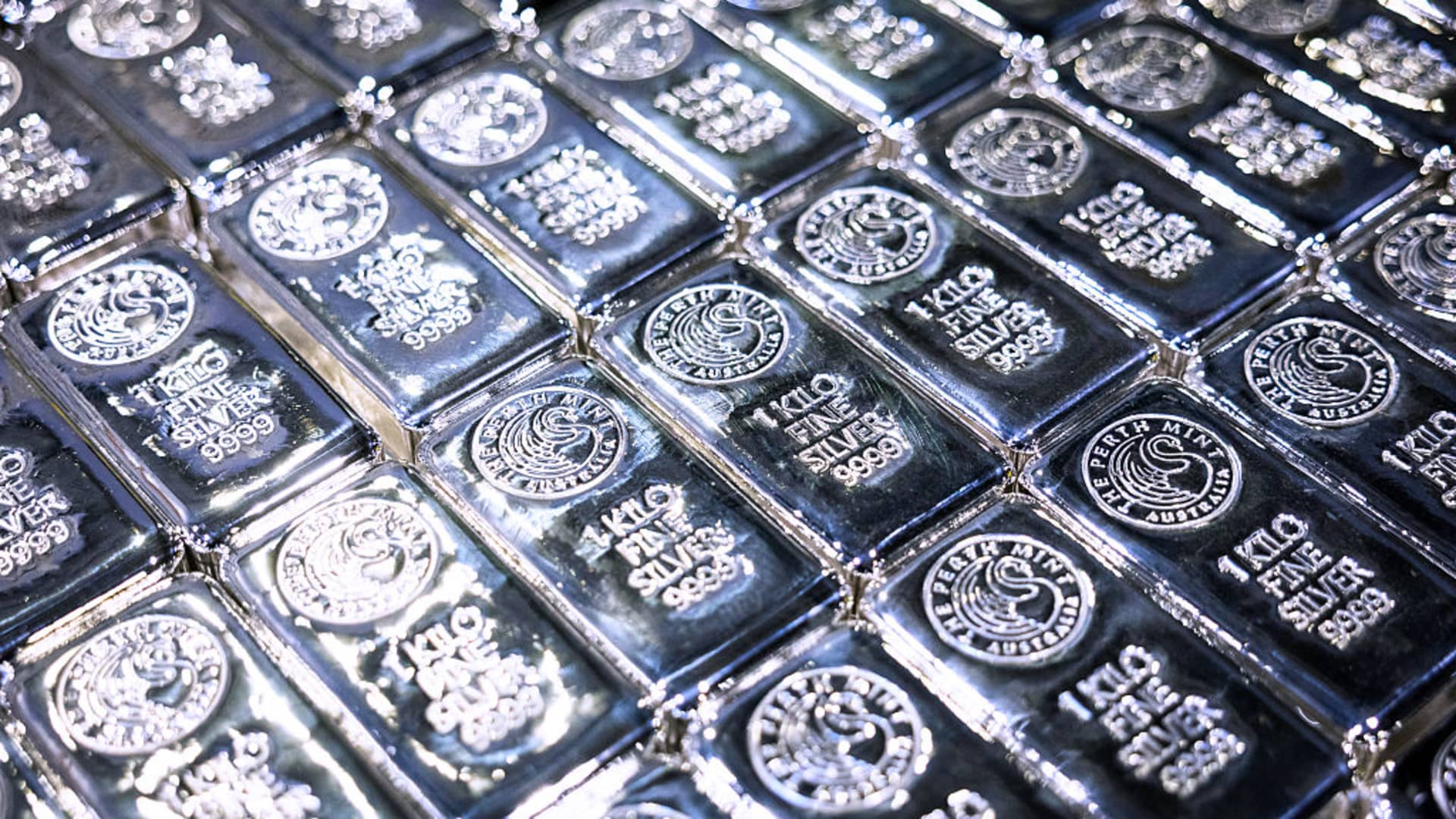
- Extreme Price Volatility: On January 28, 2025, silver prices surged past $120 per ounce before crashing nearly 30% in a single day, highlighting extreme market instability that could undermine investor confidence.
- Signs of Market Recovery: Despite initial suppression during the Iran war, both spot silver and futures have risen 10% over the past month, currently trading around $87 per ounce, indicating a gradual market recovery.
- Analyst Insights: HSBC analysts argue that silver is ‘fundamentally overvalued’ with limited upside potential, suggesting that the gold:silver ratio may widen, indicating potential declines in silver prices even if gold rallies.
- Impact of Industrial Demand: As a critical component in various industrial goods, silver’s price is more sensitive to economic cycles, and analysts warn that reduced industrial demand and increased supply may pressure prices further into 2026.
Trump and Xi’s Historic Summit: A Potential Reset


2 hours agoCNBC
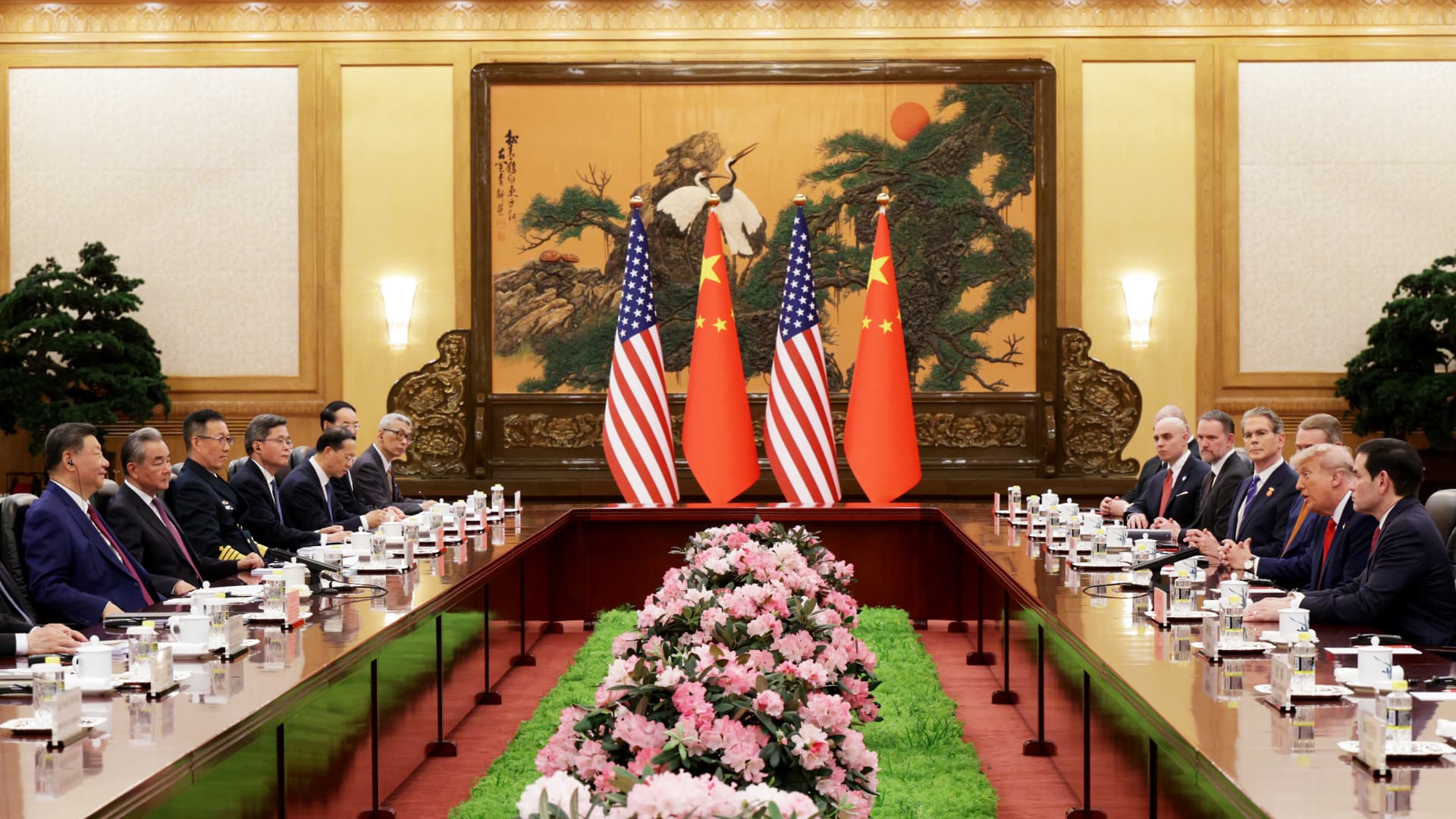
- Resetting Relations: The summit between Trump and Xi could signify a reset in U.S.-China relations, with discussions on thorny issues such as agricultural and industrial goods purchases, tariffs, Taiwan, and rare earths, potentially leading to significant global economic implications.
- Trade Agreement Outlook: The Trump administration aims to push for increased Chinese purchases of American soybeans and Boeing aircraft, with analysts suggesting this could culminate in a formal trade agreement, thereby stabilizing economic relations between the two nations.
- Trend Towards Multipolarity: Taking place against a backdrop of global trade tensions and conflicts, analysts indicate that improved U.S.-China relations could facilitate a shift towards a multipolar world, diminishing the influence of unipolar hegemony.
- Executive Team Involvement: Trump’s entourage includes executives from major companies like Tesla and Apple, raising expectations for a more favorable business environment, potentially leading to a large-scale agreement for American goods purchases, further strengthening economic ties between the two countries.
US-India Relations Face New Challenges Amidst US-China Summit


10 hours agoCNBC
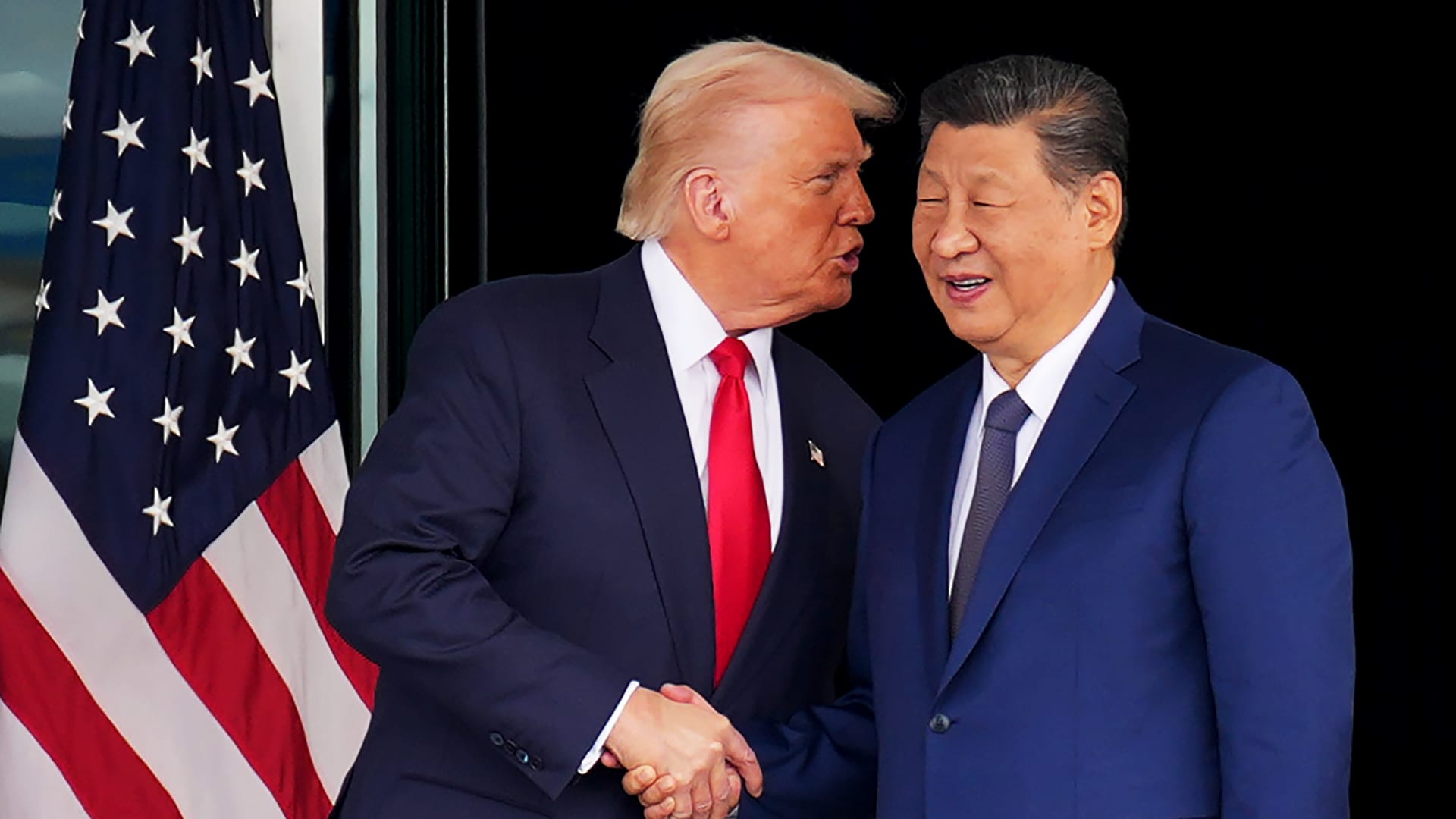
- Tension in US-India Relations: The shift in the Trump administration’s China policy has strained US-India relations, with experts noting India’s concerns that the US may prioritize China as the main negotiating partner, thereby diminishing India’s strategic role in the Indo-Pacific.
- Need for Enhanced Strategic Value: To counter potential marginalization, India must establish more tangible cooperation with the US in sectors such as defense, maritime security, and critical minerals, thereby enhancing its strategic value and ensuring its importance in US-China relations.
- Changes in Trade Policy: The Trump administration’s trade policy has become more transactional, with a 25% penalty tariff imposed on India last year for allegedly profiting from cheap Russian oil, further deteriorating bilateral relations.
- Concerns Over G2 Concept: India’s attention to the US-China summit has intensified, with fears that the so-called ‘G2’ concept may marginalize middle powers like India, impacting its voice and influence in international affairs.
Stocks Hit Record Highs as Analysts Raise Earnings Forecasts

2 days agoCNBC
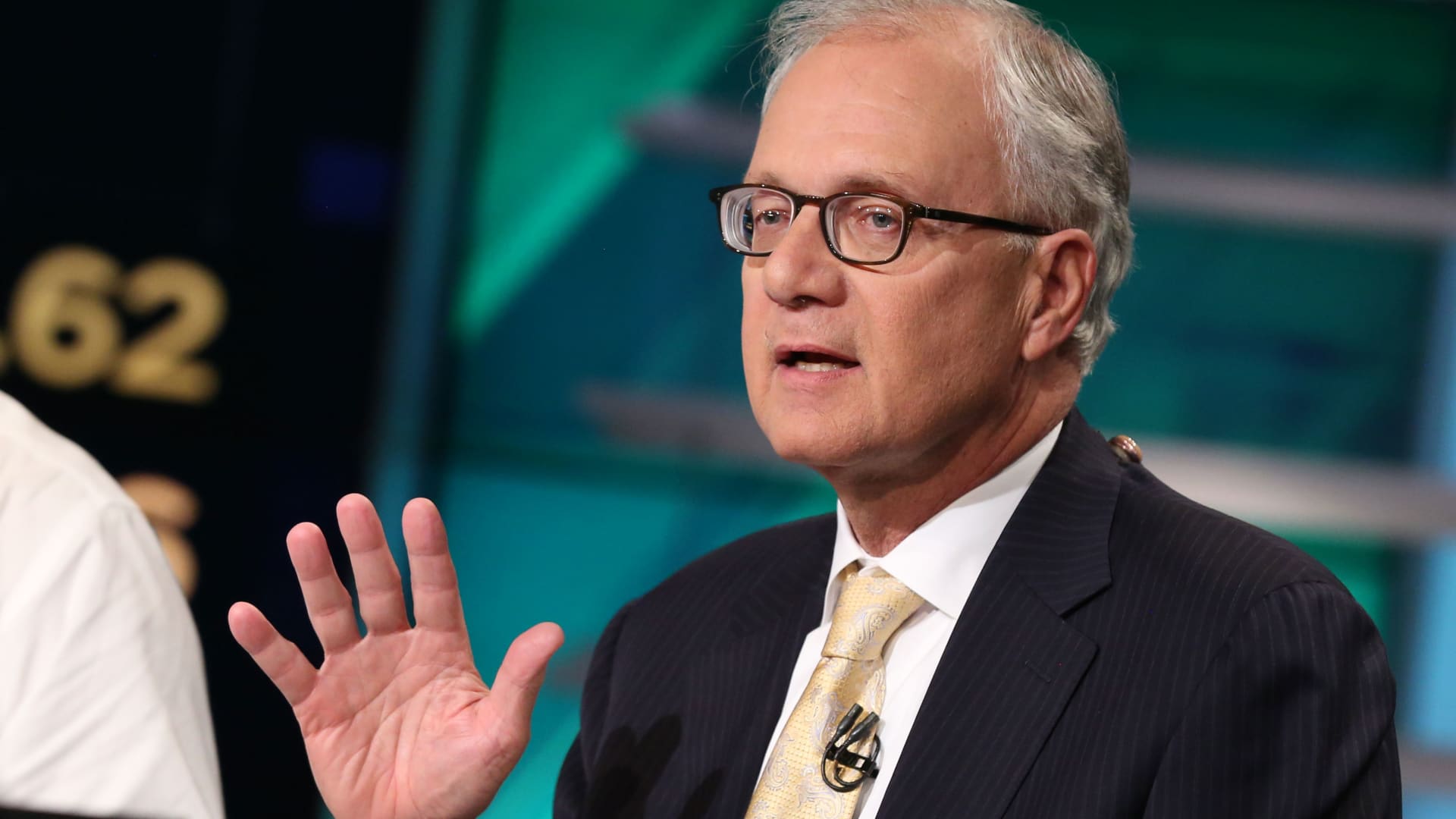
- Year-End Target Raised: Ed Yardeni, president of Yardeni Research, increased his year-end S&P 500 target from 7,700 to 8,250, representing an 11.5% upside from last Friday’s close of 7,398.93, reflecting strong bullish sentiment driven by optimistic earnings forecasts from analysts.
- Strong Earnings Expectations: Over 400 S&P 500 companies have reported earnings, with 84% exceeding expectations; if this beat rate continues through the reporting period, it would mark the highest rate since Q2 2021, indicating a significant improvement in market profitability.
- Significant Earnings Growth: These companies have posted a remarkable 25.6% year-over-year earnings growth, far surpassing the five-year average of 7.1%, showcasing robust economic recovery and bolstering investor confidence in future market performance.
- Oil Price Impact on Outlook: Although high oil prices due to the U.S.-Iran conflict could dampen future earnings, with West Texas Intermediate futures soaring 71% this year, Yardeni remains optimistic about the economy and consumer resilience, as analysts are also raising earnings estimates for the upcoming quarters.

AI Revolution Reshapes Executive Decision-Making and HR Roles


3 days agoCNBC
- Rise of CAIO Role: According to IBM’s latest report, 76% of surveyed organizations have established the role of Chief AI Officer (CAIO), a significant increase from 26% in 2025, indicating a growing emphasis on AI transformation within companies.
- Growing HR Influence: 59% of respondents expect the influence of Chief Human Resources Officers (CHRO) to increase, highlighting the importance of AI in talent management and training, as firms must address employee AI literacy to overcome cultural challenges.
- Ambiguity in Tech Roles: As AI matures, the responsibilities of roles like Chief Technology Officer and Chief Information Officer have become blurred, prompting companies to establish CAIO positions to tackle infrastructure and governance challenges in AI implementation, ensuring effective transformation.
- Layoff Trends and Opportunities: Over 101,000 tech employees have been laid off globally, yet Bain & Company’s report suggests that software-as-a-service firms could achieve nearly $100 billion in margins by automating coordination work, indicating that AI-driven transformations also present new business opportunities.
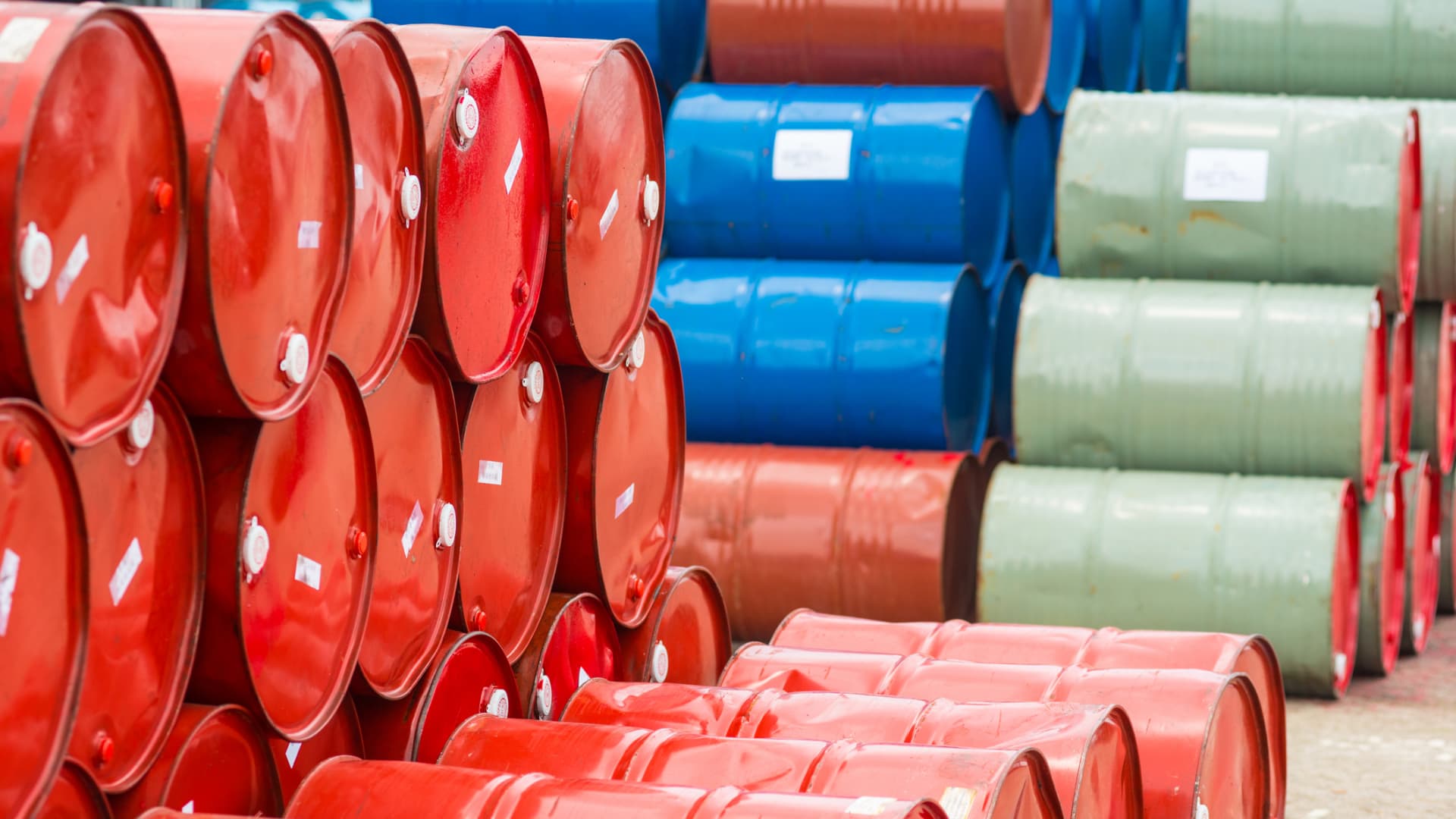
China Amasses World’s Largest Crude Oil Stockpile

4 days agoCNBC
- Oil Reserve Scale: China added an average of 1.1 million barrels per day to its strategic reserves in 2025, bringing its total to approximately 360 million barrels by December 2025, closely approaching the U.S. reserves of nearly 414 million barrels, highlighting China’s significant role in the global energy market.
- Impact on U.S. Relations: The increase in Chinese imports of Iranian crude could prompt the U.S. to impose a second round of sanctions on Sino-Iranian trade, escalating tensions between the two nations and potentially affecting the agenda of the upcoming high-level meeting.
- Market Dynamics Shift: According to Kpler, the completion of Middle Eastern cargo discharges has led to a rapid inventory drawdown, which may slow refining rates and further impact global oil price volatility, indicating a shift in market dynamics.
- Strategic Reserve Role: China’s strategic petroleum reserves serve as a hedge against supply constraints and price volatility, particularly amid escalating tensions with the U.S. and sanctions, underscoring its strategic significance in global energy security.