
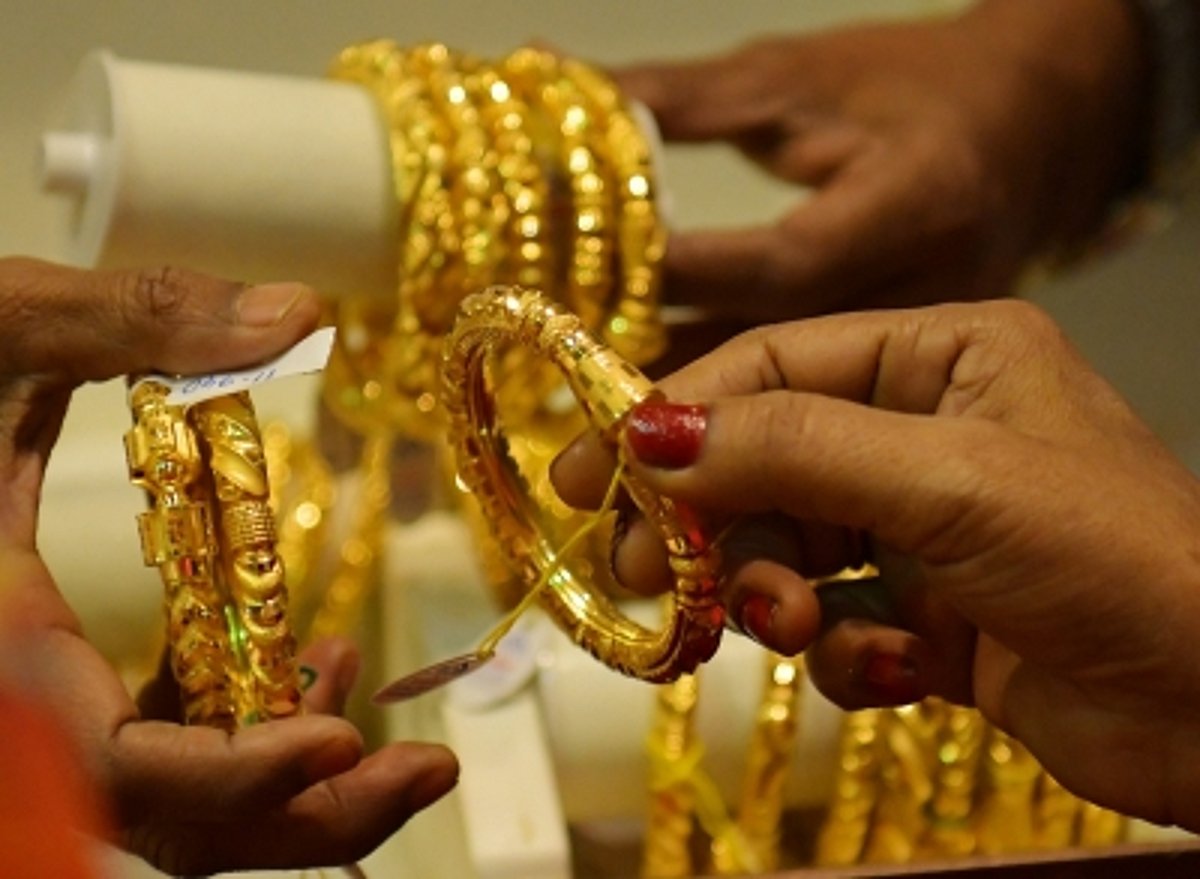
Dubai: The Indian government has dismissed claims that the Reserve Bank of India (RBI) sold nearly $12 billion worth of gold reserves to protect the rupee and bolster foreign currency assets, calling the assertion “fake” and inconsistent with official data.
The clarification came after a Bloomberg Economics analysis suggested that the RBI may have offloaded a significant portion of its gold holdings during a period of heightened geopolitical tensions in West Asia and growing pressure on India’s external accounts.
Sell gold to save rupee?
Responding to the report, the government’s fact-checking arm under the Press Information Bureau (PIB) rejected the claim, saying official RBI data showed that gold’s share in India’s foreign exchange reserves had continued to rise, contradicting suggestions of a large-scale sale.
“According to RBI, the share of gold in India’s foreign exchange reserves rose from 13.92 per cent at end-September 2025 to 16.70 per cent on March 31, 2026, and further to 16.85 per cent as of May 22, 2026,” the PIB said in a post on X.
The government also pointed to the RBI’s regular disclosures on physical gold holdings through its Monthly Bulletin, stating that the central bank’s gold stock position remains unchanged. “The physical stock of gold is also disclosed by RBI in its Monthly Bulletin. The latest edition is available on the RBI website. The status remains unchanged as on date,” the PIB said.
However, the latest available data showed India’s physical gold reserves stood at around 880 metric tonnes as of April 24, 2026.
What Bloomberg claims
The controversy stems from a report by Bloomberg Economics, which estimated that the RBI sold roughly $12 billion worth of gold in the two weeks leading up to May 22 while purchasing about $7.5 billion in foreign currency assets. The analysis was authored by Abhishek Gupta, Senior India Economist at Bloomberg Economics.
According to the report, the value of the RBI’s bullion reserves declined despite higher import duties on gold, a development that Gupta argued could indicate gold sales by the central bank.
Bloomberg Economics suggested such a move would reflect efforts by policymakers to preserve liquid foreign currency reserves as rising oil prices, capital outflows and regional geopolitical tensions weighed on the rupee.
Rupee still under pressure
The report noted that the rupee had come under pressure amid the conflict in the Middle East and concerns over the impact of higher energy costs on India’s current-account deficit.
It suggested the RBI could be prioritising liquid foreign-currency assets to support market interventions and stabilise the currency. The analysis also highlighted that India, as the world’s third-largest oil importer, faces increased pressure on foreign-exchange reserves when crude prices rise sharply. However, the government rejected that interpretation, citing official RBI reserve data.
Gold reserves still rising?
Data released by the RBI showed that the value of India’s gold reserves increased substantially over the past year, rising from approximately $81.82 billion in early May 2025 to around $120.24 billion by late April 2026. Gold’s share of the country’s overall foreign exchange reserves also climbed steadily during the period.
India’s total foreign exchange reserves stood at about $698.49 billion as of April 24, 2026, according to RBI data. The RBI’s figures showed that gold accounted for 16.85 per cent of total reserves as of May 22, up from 13.92 per cent at the end of September 2025, undermining claims that the central bank had significantly reduced its bullion holdings.
More gold stored in India
The RBI has also maintained its overall gold stock. By the end of March 2026, the central bank held 880.52 metric tonnes of gold, with official disclosures showing little change in the physical stock despite market speculation about large-scale sales.
The RBI has been increasing the proportion of gold held within India. By the end of March 2026, around 77 per cent of the country’s gold reserves were stored domestically, compared with 66 per cent six months earlier.
Most of the remaining overseas holdings are maintained with the Bank of England and the Bank for International Settlements, according to the RBI’s half-yearly foreign exchange report.

Justin is a personal finance author and seasoned business journalist with over a decade of experience. He makes it his mission to break down complex financial topics and make them clear, relatable, and relevant—helping everyday readers navigate today’s economy with confidence.
Before returning to his Middle Eastern roots, where he was born and raised, Justin worked as a Business Correspondent at Reuters, reporting on equities and economic trends across both the Middle East and Asia-Pacific regions.