
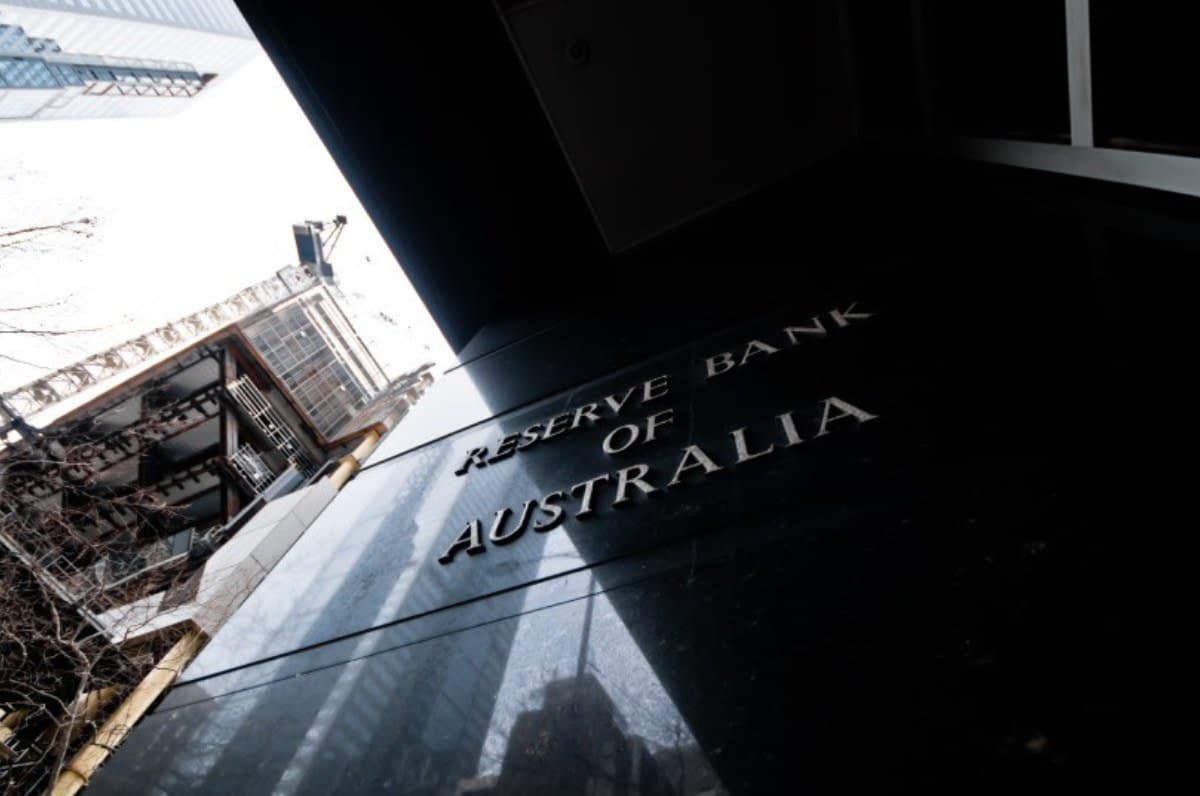
Economists have rapidly abandoned forecasts for another interest rate increase ahead of next week’s Reserve Bank of Australia (RBA) meeting, with softer inflation and a cooling labour market now expected to keep the cash rate at 4.35 per cent.
Mere weeks ago, several forecasters believed the central bank would need to tighten policy again after warning inflation remained too persistent.
However, the June quarter inflation figures have since altered that outlook, prompting the major banks to instead forecast a hold when the Reserve Bank’s monetary policy board meets on 11 August.
Although the consensus has shifted, economists believe the RBA is unlikely to change its messaging. Instead, they expect policymakers to acknowledge inflation has eased while maintaining that further increases remain possible should price pressures re-emerge.
Westpac chief economist Luci Ellis said inflation had been “more benign” than both the bank and the Reserve Bank had anticipated.
“We no longer expect rate hikes by the RBA this year. Inflation has been more benign than we feared and the RBA forecast.”
Ellis said concerns that higher energy prices stemming from the Middle East conflict would flow more broadly through the economy had not materialised, while market services inflation and housing-related inflation had both undershot expectations.
“Although we still expect the board will debate the case for a hike, things have not turned out in a way that supports the case for one.”
HSBC chief economist Paul Bloxham said the central bank was likely to remain in “wait and see” mode after inflation surprised on the downside.
Although headline inflation remained at 3.9 per cent and trimmed mean inflation at 3.6 per cent over the year in the June quarter, Bloxham noted both measures were lower than the RBA expected when it released its May forecasts.
He said growth had continued to slow broadly in line with the Reserve Bank’s expectations, while the labour market had loosened and housing prices had cooled by more than policymakers anticipated.
Taken together, Bloxham expects the Reserve Bank’s updated forecasts to show underlying inflation returning to the midpoint of its target band by at least the same timeframe projected in May, if not sooner.
“Given this expected set of forecasts, we see the RBA remaining on hold in August,” Bloxham said. “That being said, as inflation is still above target, we expect the central bank to continue to express concern that inflation is too high. We expect the Governor’s press conference and statement to also repeat that the board remains ready to lift rates if needed.”
ANZ has reached a similar conclusion, head of Australian economics Adam Boyton anticipating the RBA to leave the cash rate unchanged next week, arguing recent economic data has weakened the case for another increase without eliminating inflation risks.
Boyton expects the board to unanimously leave the cash rate at 4.35 per cent after weighing both a rate increase and a hold.
He said higher-than-expected unemployment, lower-than-expected inflation relative to the RBA’s May forecasts and softer activity data now support leaving policy unchanged, even as policymakers remain concerned inflation will stay above target for some time.
Additionally, Boyton said the RBA updated Statement on Monetary Policy (SoMP) is set to revise down its near-term inflation forecasts while lifting its unemployment projections, reflecting the softer economic data released since May rather than any material change in the central bank’s broader inflation outlook.
The Commonwealth Bank of Australia’s (CBA) head of Australian economics Belinda Allen has also shifted firmly into the hold camp, maintaining her expectation that the Reserve Bank will leave rates unchanged in August and throughout the remainder of 2026.
Allen said inflation was tracking below the Reserve Bank’s May forecasts, the labour market had eased more quickly than expected and the housing market had deteriorated further than anticipated, reducing the need for additional tightening.
While she expects policymakers to keep rates on hold, Allen believes they will continue to stress that inflation remains too high and reiterate they are prepared to increase the cash rate again if required.
While economists now overwhelmingly expect the Reserve Bank to leave rates unchanged next week, most have stopped short of declaring the tightening cycle over.
Ellis said there remained a risk of another increase in November should inflation reaccelerate during the September quarter, while Bloxham said HSBC’s central case was for slowing growth and a weaker labour market to return inflation to target quickly enough to avoid further tightening before a gradual easing cycle begins in the second half of 2027.
However, Bloxham warned the Reserve Bank’s tolerance for upside inflation surprises remained low after trimmed mean inflation had spent more than four years above the midpoint of the target band, leaving the door open to another increase later this year if price pressures fail to ease as expected.