
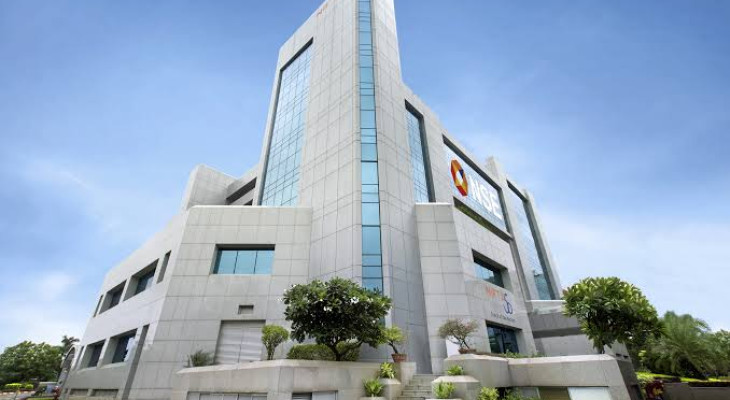
Derivatives trading activity on the National Stock Exchange (NSE) fell below the Rs 200 lakh crore mark in August for the first time in 18 months, as retail traders and high-frequency trading firms scaled back activity amid the introduction of the new Closing Auction Session (CAS).
NSE data showed that average daily notional turnover across index and stock derivatives stood at Rs 193.3 lakh crore in August, down from Rs 264.8 lakh crore during the first seven months of 2026. The August figure was the lowest since February 2025, when average daily turnover stood at Rs 185.2 lakh crore.
The decline marks a 10 per cent month-on-month contraction and takes derivatives activity to less than half the record levels recorded in February 2024.
The NSE, the world’s largest derivatives exchange by number of contracts, has seen trading volumes moderate after reaching a record Rs 408 lakh crore in total derivatives turnover in February 2024. The surge at the time was driven largely by growing retail participation in equity derivatives.
Since then, the Securities and Exchange Board of India (Sebi) has introduced several measures aimed at curbing speculative trading. These include increasing the minimum contract size and restricting index expiries.
Sebi began tightening its derivatives framework in late 2024, including the removal of the popular weekly expiry for the Nifty Bank index and an increase in minimum contract sizes.
The regulator also reduced the number of weekly index-option expiries to two from as many as eight earlier. The measures have curtailed opportunities for short-term trades, particularly expiry-day strategies involving aggressive position building to benefit from sharp price movements.
The introduction of the Closing Auction Session has added another layer of pressure to derivatives activity, according to Jefferies. The brokerage said the new closing mechanism could have negative implications for exchanges and brokers such as Groww as options turnover declines.
“Average daily turnover for index options premium fell to Rs 539 billion in August, the lowest since February 2025,” Jefferies said in an investor note.
The moderation in derivatives activity comes as market participants adjust to the CAS framework, which changes the dynamics around the end of the cash-market trading session. The decline in turnover highlights the broader impact of regulatory measures and changing trading behaviour on India’s previously rapid growth in equity derivatives.