
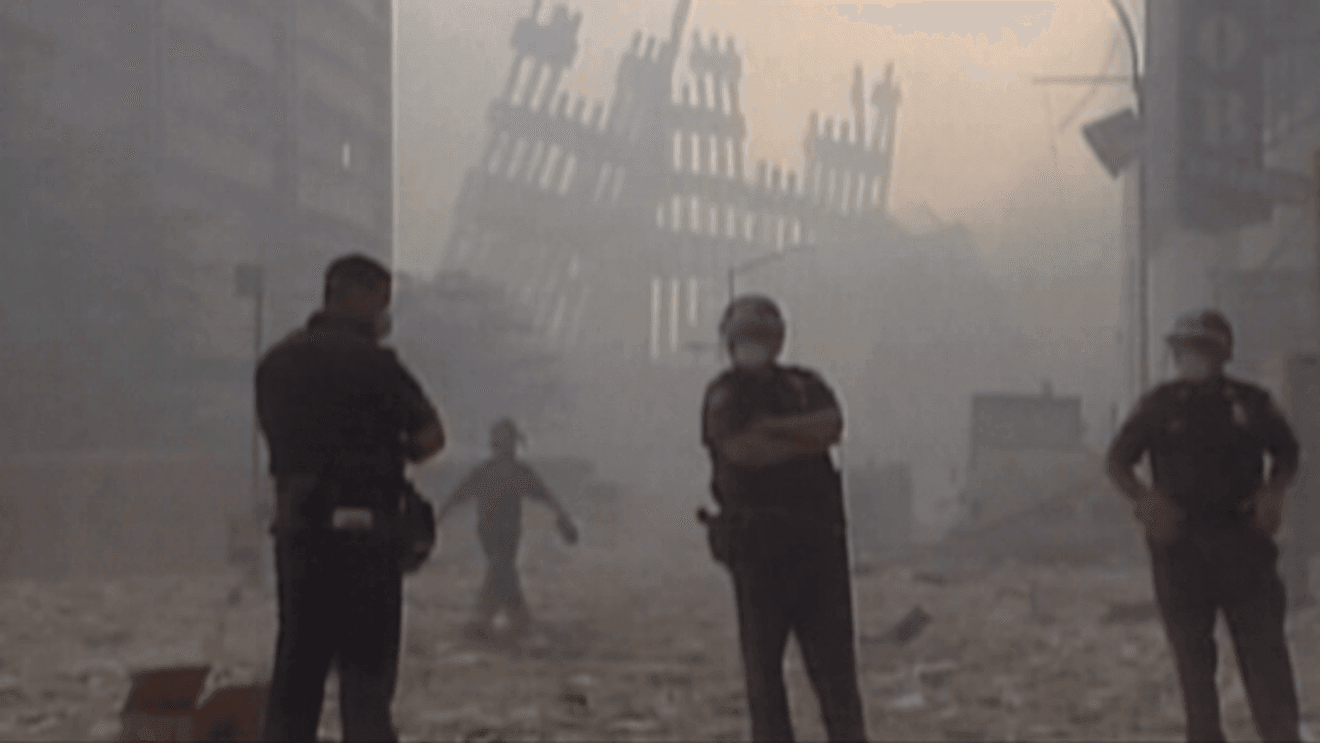
WASHINGTON (TNND) — The Sept. 11 attacks struck as the U.S. economy was already in a recession, shutting down financial markets, grounding air travel and disrupting businesses across the country. The nation’s securities markets reopened Sept. 17, 2001, after a four-day closure as officials worked to restore access and systems in Lower Manhattan. SEC
Former White House economic adviser Steve Moore said the recovery that followed underscored the resilience of American businesses, workers and consumers. “The way we were able to snap back from those horrible attacks really does show the power of the American economy and the power of American businesses and workers to get back to work and rebuild the country,” Moore said.
Moore recalled watching the attacks unfold from Washington, where the strike on the Pentagon heightened uncertainty about what might come next. While the immediate shock was severe, he said the economy began to rebound within roughly six months to a year.
The attacks also ushered in a major expansion of federal spending on homeland security, intelligence, military operations and airport security. Moore said emergency spending can be necessary during a crisis but argued that Washington often fails to reduce spending after the crisis has passed.
“The spending never went away,” Moore said, pointing to increased federal expenditures following both the attacks and the COVID-19 pandemic. “That’s one of the reasons we have a $2 trillion deficit.”
Beyond the balance sheet, Moore said the return of Americans to work, travel and daily life was central to the recovery. “We didn’t let fear engulf us,” he said. “We have a spirit of enterprise in this country that really is magnificent.”
Moore said the lasting lesson of the attacks is that the country’s free-enterprise system has endured through war, recession, a pandemic and other shocks. “Our foreign enemies cannot defeat us,” he said. “Our free enterprise system will prevail.”