
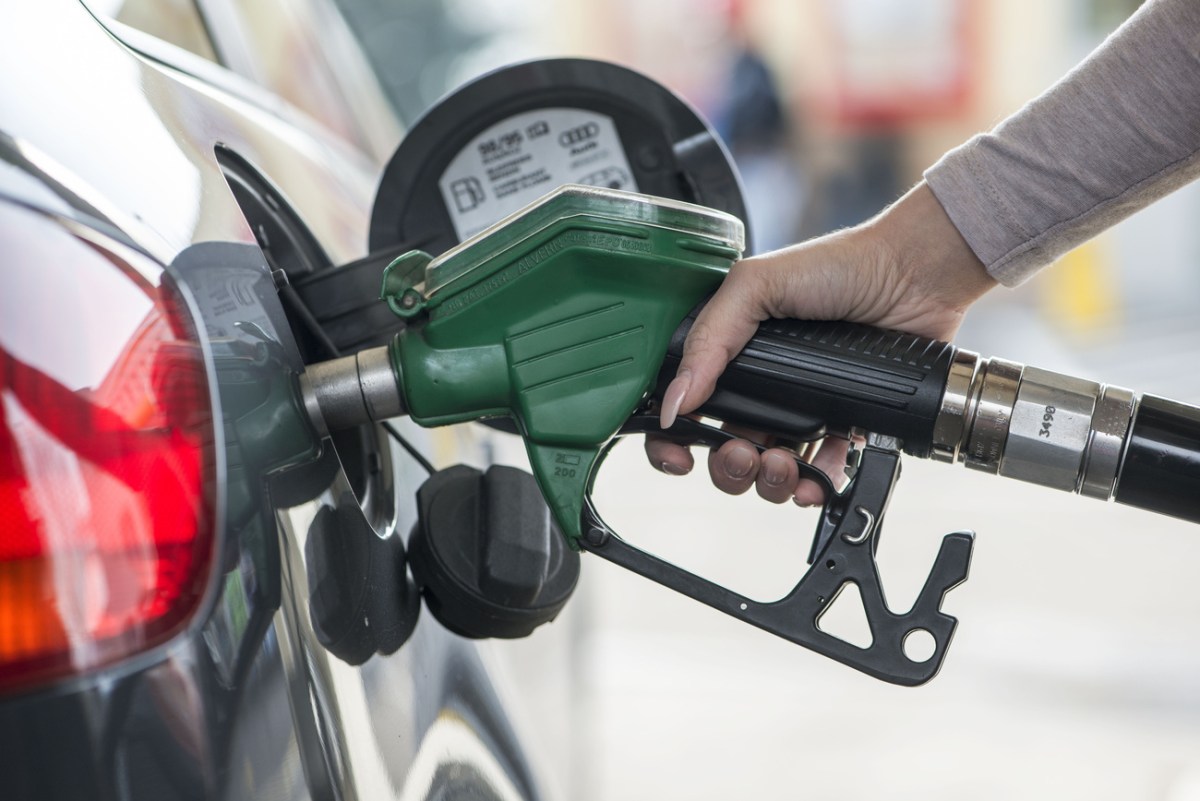

The cost of petroleum products has been driven higher
Keystone / Christian Beutler
Switzerland’s inflation rate rose to the highest level in two years as stronger oil prices and a weaker franc fanned price pressures that still appear feeble compared to the rest of Europe.
Consumer prices increased 1% from a year earlier in September, the Federal Statistical Office said on Thursday. That matches the median estimate in a Bloomberg survey of economists and is above August’s 0.8% figure.
The reading is in line with the Swiss National Bank’s forecast for the quarter and comfortably in the 0-2% range that policymakers target.
More
More
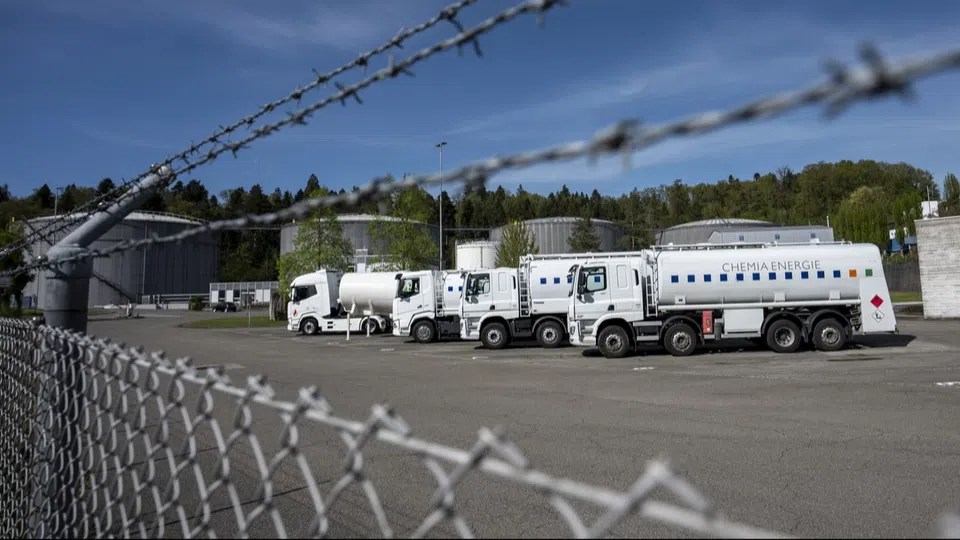
Why Switzerland’s fuel stockpiles are for Swiss use only
Officials see most of the acceleration as temporary and have said that medium-term pressures increased only slightly.
SNB borrowing costs have been at the world’s lowest level of zero for more than a year, in part because the cost shock from the Iran war has been benign in Switzerland. Petrol prices rose, but a smaller share of energy in the Swiss inflation basket has kept that from driving the gauge.
In September, higher costs for petroleum products were dampened by slightly lower ones for clothing and footwear, the statistics office said. So-called core inflation, which excludes volatile elements such as energy, ticked up to 0.5% from 0.4%, the second increase in a row.
The Swiss data contrast with the surrounding euro area, where the fallout from the Iran war probably drove price growth to a three-year high last month.
Following the harmonised European methodology, Swiss inflation in September was 1.2%. That compares to an expected 3.7% in the currency bloc.
Over the past months, a continued weakening of the franc has boosted domestic cost increases. Policymakers acknowledged this at their rate decision last week by dialling down their threat of intervention after some action to weaken the currency.
Observers saw that also as a pivot toward more vigilance on prices. Most economists don’t expect the SNB to join the tightening cycle its peers in Frankfurt and Washington have started, anticipating it won’t hike before 2028. Still, a few see such a move as early as December.
People familiar with the thinking inside the SNB told Bloomberg in July that officials expected at the time to keep rates at zero until the end of next year.
More

More
Why Switzerland has such low interest rates
–With assistance from Kristian Siedenburg, Joel Rinneby and Harumi Ichikura.
©2026 Bloomberg L.P.