
Story by Aunnab Alman
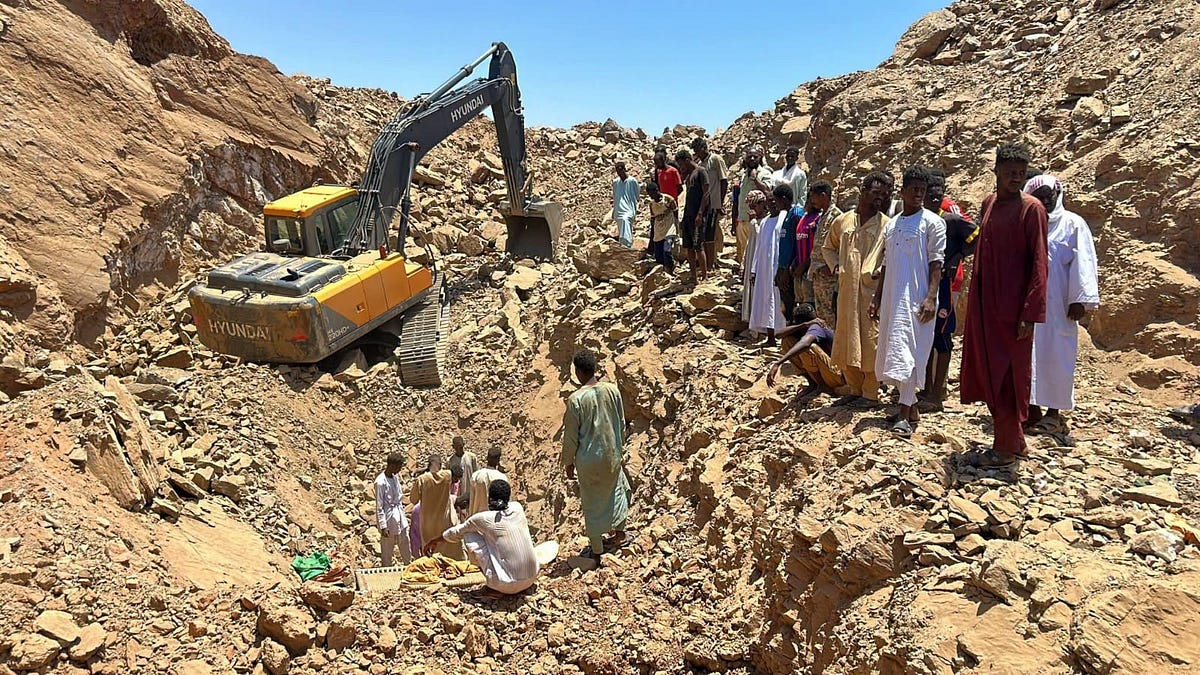
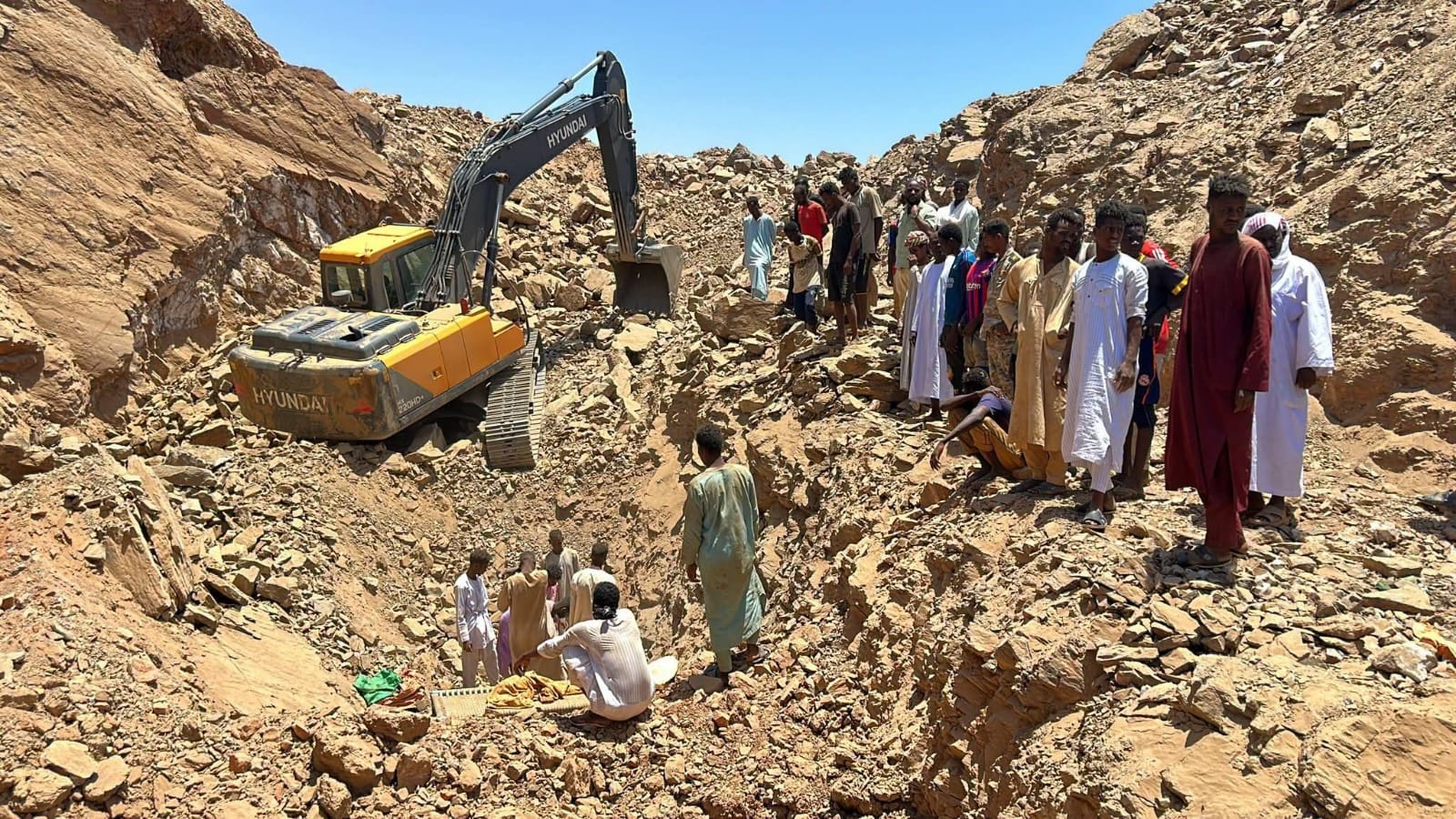
WEST KORDOFAN, Sudan—At 3 p.m. on Tuesday, September 15, Abu Fayza al-Fadil, 32, climbed out of one of six interconnected shafts at Sudan’s Al-Zaraa gold mine to take a break.
Minutes later, the shafts collapsed, burying dozens of his colleagues underground.
“I went out to rest for a few minutes, and suddenly the ground shook and the shaft disappeared, along with everyone inside it,” al-Fadil told Drop Site by phone from a Starlink point in the village of Al-Raqeeq, where the mine is located.
“There were just a few minutes between me and death,” he said. At the time, he had been thinking about his wife and their two young children.
Around 45 men had been working in the shaft he had just left, al-Fadil said. Yet, paramilitary fighters stationed nearby refused to help, survivors say.
Mohammed al-Hassan was in a second shaft when it gave way. “There were about 60 of us down there when it collapsed,” he told Drop Site.
“Twenty-five died. We pulled their bodies out ourselves. Seventeen of us made it, six of them injured, and we got them out with our own hands. The others are still missing. We don’t know what happened to them.”
Al-Hassan said the miners asked the RSF for help and were turned away. “We went to a Rapid Support Forces post about 15 minutes away and told them people were trapped,” he said. “They had two excavators, and they refused to help.”
All six shafts collapsed into one another, burying the miners inside. At least 82 people were killed and around 50 injured, a local administration official told reporters the following day. A source in the Rapid Support Forces (RSF), the paramilitary group that controls the area, gave AFP the same death toll and said an unknown number of people remained trapped.
No updated toll has been released since. A few days after the collapse, the RSF sealed off the area around the mine, local sources said, clearing out even the miners who were searching for their colleagues. No one has been allowed near the mine since.
The RSF was itself a partner in running the mine, according to local miners, after they took control of West Kordofan state in December 2025. Gold is one of the main sources of revenue for both sides of Sudan’s war—the national military, the Sudanese Armed Forces (SAF), and the RSF—according to conflict economy experts. Over two million people work in the mining industry in Sudan.
But the sector remains dangerously unregulated. This is the fourth major gold mine collapse in Sudan this year, following Abu Jubeiha in January, where at least six miners died, Keliti in April, which killed at least seven, and Wadi Halfa in July, where 15 died.
Occupational safety experts say the pattern is the same each time. Informal shafts are dug without oversight. The Al-Zaraa mine, near the town of Al-Nuhud, was made up of deep, interconnected pits dug without safety equipment or shoring, the temporary supports that hold up a shaft’s walls and roof. Local residents dug them in recent years.
Locals to the Rescue
Rescue fell to local residents. Al-Tahir Issa, 30, lives in Al-Raqeeq and arrived within an hour of the collapse.
“We found the young men in a state of shock and bewilderment. Some of them did not know what had happened, while others had managed to get out on their own, some with injuries and fractures,” said Issa.
“We locals volunteered to help. We brought our tools from home like pickaxes and shovels, and began trying to rescue those trapped and give first aid to those coming out of the mine.”
“By the second day, we had recovered 25 bodies and 13 injured people,” said Issa, describing the recovery effort he joined. “After the bodies were recovered, we performed the funeral prayer for them.”
There is no conventional mobile network or public internet in the area. Survivors and residents could speak to Drop Site only intermittently, from shops and spaces with Starlink terminals, which are also under RSF control. Many were hesitant to discuss the mine or the authorities who run it.
None of the miners Drop Site spoke to saw medical teams or any response from the authorities, whether the RSF’s civil administration or the national government. The Sudanese Mineral Resources Company, the state body that oversees mining, has not issued any statement on the Al-Zaraa collapse, although it did comment days later on a collapse at the Awni mine in Red Sea State.
Among the dead was Abu Bakr Hamid al-Daqil, 27, who was in a third shaft with around 30 other workers. None of them survived. Since his father’s death, he had been the sole provider for his mother, Halima Mustafa, and his sister, Fatima.
“When we heard about the collapse, we waited to find out whether Abu Bakr had made it out,” his mother said.
Mohammed al-Zaki, 26, also died in the collapse. His sister, Lamia, said he had been studying economics at Bahri University in Khartoum North when the war broke out and classes were suspended.
“He decided he did not want to continue his studies and would go to work in the mines. He knew the work was hard, but he went because he wanted to establish himself and get married,” she said. “After a year of working in various mines, he died, leaving grief in our hearts that will never heal.”
Khaled Qarashi, a researcher and environmental activist with the Sudanese Environmental Conservation Society, said most miners have no knowledge of soil conditions.
“Informal mining relies on shallow digging without any shoring, personal protective equipment or rescue tools,” he said. “The authorities only take notice after major disasters have occurred, at which point they intervene to close the mines temporarily, only to reopen them later.”
Lack of Opportunities
Mohammed Haroun, who manages a mining pit in Northern State where the SAF is in control, said young men have few alternatives. “Rampant unemployment, deteriorating living conditions and a lack of opportunities, even before the war, coupled with the war’s worsening of these conditions, have made mining the only viable option for them to provide for their families,” he said.
Pits are owned by individuals or investors who pay for the digging and basic tools, Haroun said. Workers are paid through a quota system based on daily output. “Once the gold has been extracted, local traders and collectors buy it for cash, and it is then transported through commercial networks to the major markets.”
There is no set income, Haroun said. A miner who goes down the shafts might spend three months at a mine and find a single piece of gold worth around $2,000, or earn nothing at all. Workers at the washing mills, where material from the shafts is washed until the gold separates out, are paid by the load. Washing one sack can bring in the equivalent of about $30, though rates vary from well to well and mine to mine.
Gold was a source of rivalry between the SAF and the RSF even before the war began in April 2023. As the fighting continued, the country’s gold fields were effectively divided between the two sides.
According to London-based think tank Chatham House, the army controls the main mining areas in River Nile, Northern, Red Sea and South Kordofan states, while the RSF oversees mining in Darfur and parts of Kordofan, including West Kordofan.
In RSF areas, Chatham House found, the paramilitaries protect mining and related trade, impose set channels for selling gold, and, in some cases, take part in production directly. In army-held areas, production and trade run through institutions linked to the government in Port Sudan, while cross-border smuggling has grown.
Profits from gold, the study found, pay for weapons and goods that help both sides and their allies keep fighting. Large quantities of gold have been smuggled out of the country to finance the RSF, according to experts commissioned by the United Nations.
Less than a week after Al-Zaraa, a fifth mine collapsed, this time at Awny in Red Sea State, near the Egyptian border, killing at least 10 people and injuring 21, according to survivors. Unlike Al-Zaraa, Awny lies in army-held territory, as do the Keliti and Wadi Halfa mines that collapsed earlier this year.
This story was published in collaboration with Egab.