
Clearing and treasury infrastructure provider Lorum has filed for a national trust bank charter.
“This filing is the culmination of a founding thesis: that the correspondent banking system is not broken because of technology or regulation,” the company said in a Wednesday (April 8) news release emailed to PYMNTS. “It is broken because the wrong institutions are running it.”
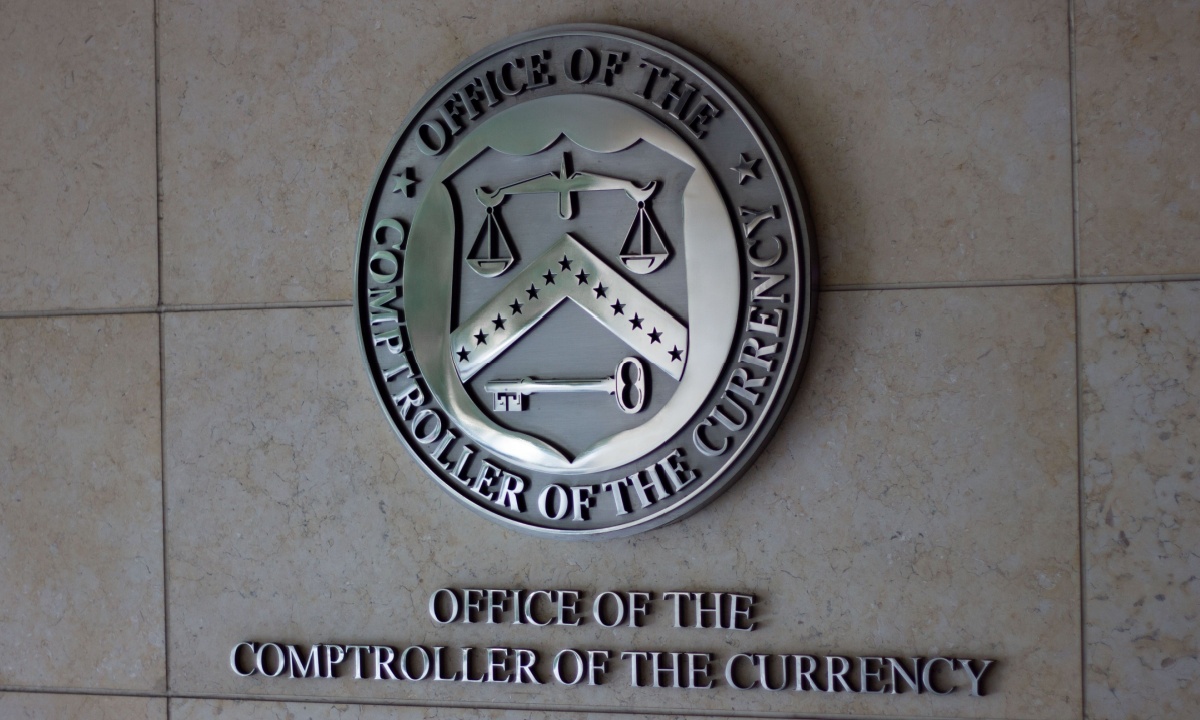
Once approved, the national trust bank charter would bring the operation under direct Office of the Comptroller of the Currency (OCC) supervision and allow Lorum to develop direct participation in core U.S. dollar clearing infrastructure.
“The banks serving this market are lending out the money they are supposed to be moving. That is not a technology problem. It is a structural one,” said George Davis, Lorum’s founder and chief executive. “Named Account Custody was built to fix it: a legal and regulatory link to every account holder, with no intermediary chain and no lending book in the way. A national trust bank charter is how we deliver that at the scale the market needs.”

We’d love to be your preferred source for news.
Please add us to your preferred sources list so our news, data and interviews show up in your feed. Thanks!
In making the case for its charter, Lorum said that clearing and custody are “an afterthought” for banks, leading to “a system that serves almost nobody well.” Financial institutions, the company added, “sit one or more hops away from primary clearing systems, dependent on intermediary chains they cannot see into and that can terminate without notice.”
When they lose reliable access to dollar infrastructure, they go elsewhere, placing pressure on the dollar’s utility as the currency of global trade, Lorum argued.
Advertisement: Scroll to Continue
The company said its ethos is that things like clearing, custody and cash management are fiduciary services, and should be handled by an institution that holds customer funds “fully backed by cash and cash equivalents, with no lending book.”
As PYMNTS wrote last fall, many FinTech companies have begun turning to bank charters to expand their reach and their product lines by avoiding state-by-state licensing and gaining direct access to the U.S. financial system.
“Without a bank charter, FinTechs must stitch together a patchwork of state money-transmitter licenses and rely on partner banks for access to the Federal Reserve system,” that report said. “With a charter, they can unlock nationwide reach and access to the payments and settlement rails that keep commerce moving.”
The past year has seen a massive uptick in FinTechs going this route. In 2025 alone, the OCC received 14 de novo charter applications, a figure that is nearly equal to the total applications received by the regulator in the prior four years combined.