
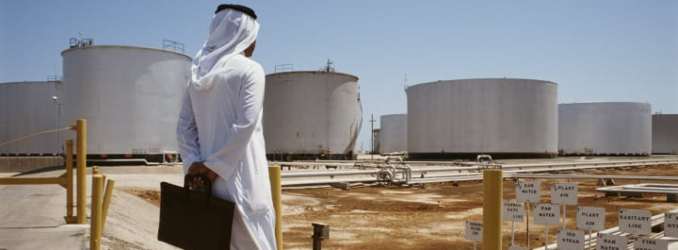
(Bloomberg) — Saudi Arabia said recent attacks on key energy infrastructure have disrupted oil and gas production and reduced export capacity, tightening global supply amid ongoing conflict in the Middle East.
Facilities across Riyadh, the Eastern Province and Yanbu Industrial City were targeted, including a pumping station on the East-West pipeline, the kingdom’s primary route for moving crude to the Red Sea and bypassing the Strait of Hormuz.
The attacks cut more than 600,000 bpd of oil production capacity and reduced flows on the East-West pipeline by about 700,000 bpd, according to Saudi authorities. Prior to the disruption, the pipeline was transporting roughly 7 MMbpd, with about 5 MMbpd destined for export markets.
The outage adds pressure to global oil balances already strained by the effective closure of the Strait of Hormuz during the Iran conflict. Saudi Arabia has been redirecting volumes through the East-West pipeline to maintain exports, making the system a critical component of supply continuity.
Upstream production has also been impacted at key assets. Attacks on the offshore Manifa field and the onshore Khurais complex each reduced output capacity by approximately 300,000 bpd. Khurais produces lighter crude streams typically routed through the East-West pipeline, while Manifa produces heavier grades.
The disruption underscores the vulnerability of upstream production and export infrastructure to regional instability, particularly as operators rely on alternative routes to sustain flows.
Analysts at JPMorgan said the reported damage represents a “measurable supply shock,” with the loss of production capacity equivalent to roughly 10% of Saudi Arabia’s pre-conflict crude exports.
The timing and duration of the outages remain uncertain, and the extent of damage to facilities will be a key factor in determining how quickly production and exports can be restored.
Global markets have already responded to the broader supply disruption, with Brent crude rising sharply since the start of the conflict. Further constraints on Saudi output or export capacity could add to volatility as the market assesses the pace of recovery.