
In March, the Department of Labor took the next step toward allowing alternative investments, such as cryptocurrency, private credit, and private equity, in 401(k) retirement plans. This decision is in response to the Trump Administration’s 2025 request to the Department asking them to research the possibility of adding these assets to traditional 401(k) plans.
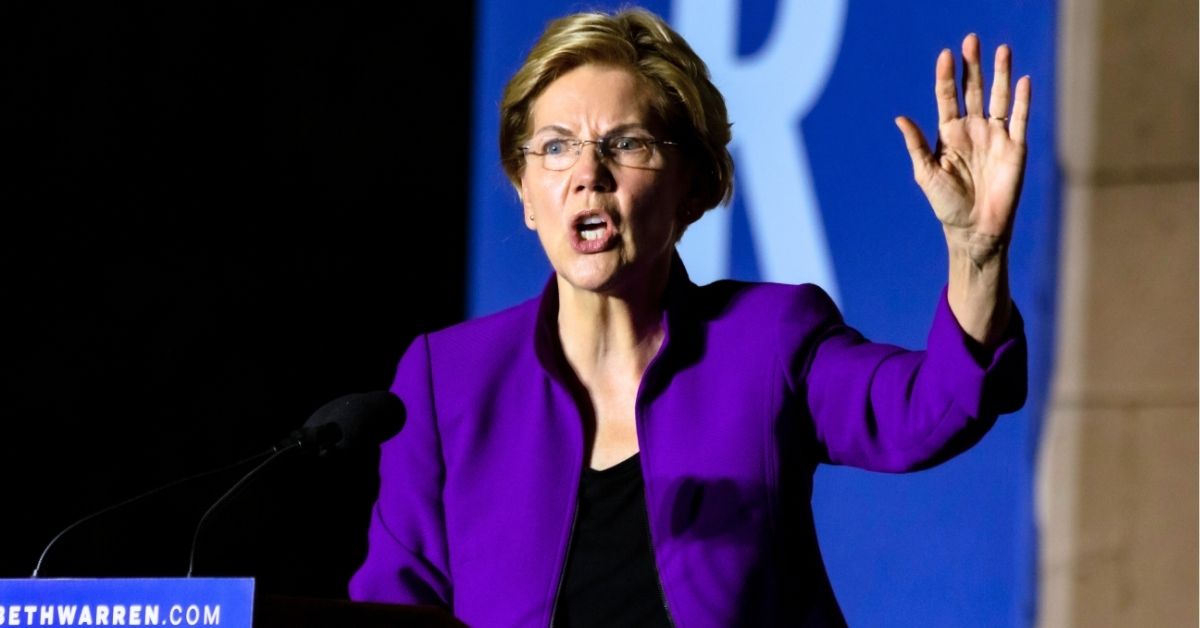
The Trump administration says the goal of allowing these assets in 401(k) plans is to make these types of investments available to more investors. However, those who oppose the proposal, such as Senator Elizabeth Warren, have concerns about the volatility of alternative assets.
Find Out: 14 benefits seniors are entitled to but often forget to claim
The difference between traditional and alternative investments
Most American workers are familiar with traditional investments. These include stocks, mutual funds, and ETFs that many workers can find in their 401(k) plans today. However, alternative investments are different. These include cryptocurrency, private credit, and private equity.
Private equity typically involves investing in privately held companies that are not publicly traded on a stock exchange. Typically, private equity investments were available only to accredited investors, making them inaccessible to many workers.
Who really has the cheapest auto insurance in your area? Check your zip code here.
A key part of the Department of Labor’s proposal
The Department of Labor proposed allowing alternative investments in 401(k) plans and offering safe-harbor protections to advisors, but only if they followed a six-step process. This six-step process is designed to ensure that financial advisors involved in 401(k) plan decisions act as fiduciaries to investors who consider these investments.
These protections would lessen litigation related to 401(k) plan advice, a change from ERISA-related litigation, which required stricter fiduciary rules.
The next step: 60 days of public commentary
Now that the Department of Labor has issued its proposal, the American people have 60 days to weigh in on this policy. This is the time when anyone, from workers to academics to financial experts, can make comments about whether or not these assets should be included in 401(k) plans.
The Department of Labor can then evaluate the comments and decide whether or not to incorporate the feedback.
Retire like the rich: 14 ways you could build wealth in your 50s.
Why Warren and other lawmakers believe alternative investments are harmful for 401(k)s
In January, Senator Elizabeth Warren sent a letter to the SEC explaining that 401(k)s should be accounts that help Americans get greater retirement security. She argues that adding volatile assets, like cryptocurrency, to 401(k)s, puts Americans at risk.
In March, Senator Warren issued another statement, explaining that returns on private equity investments are at an all-time low when looking at the past 16 years. She explained that these assets would hurt the American people while making Wall Street wealthier.
However, a nonpartisan retirement advocacy group, The Council for a Safe and Secure Retirement, pointed out that Massachusetts (Senator Warren’s home state) has private equity investments in its public pension funds.
Why supporters of alternative investments believe they will help Americans
The Trump Administration said in its executive order that it wanted to give all investors the chance to invest in assets that may have previously been out of reach. The executive order also states that Americans should have access to these assets if a plan fiduciary believes it’s an opportunity to get greater returns.
Ultimately, American workers will be responsible for their retirement choices
Regardless of what assets may be available to Americans in the future, workers will ultimately have the final choice on the investments in their 401(k) plan. Workers who are more risk-averse may prefer to invest in traditional assets. Those who are more experienced investors or who are more risk-tolerant may want to invest in alternative assets. However, it’s up to individual investors to consider their risk tolerance and retirement goals before choosing 401(k) plan assets.
This 401(k) policy is not finalized yet, so stay up to date
It’s important to note that this 401(k) policy is still in the planning phases. Americans currently have the opportunity to comment on the proposed plan, and plan sponsors will still have to follow fiduciary standards.
Those interested in whether alternative assets will be added to 401(k) plans should follow news and updates on retirement accounts. Additionally, employees can ask their employers whether or not their plan sponsors will make these assets available in the future. Keep in mind that just because employees may have access to certain assets doesn’t mean it’s right for them and their retirement goals. Employees should consult with a financial advisor before purchasing alternative investments in a 401(k) plan due to the risks they pose.
Make Money: 8 things to do if you’re barely scraping by financially
Bottom line
Big changes may be coming to 401(k)s, though the policy on alternative assets isn’t finalized just yet. Those who want to have enough invested to enjoy a stress-free retirement someday should carefully weigh investment options and seek expert advice before putting retirement funds in alternative assets.
More from FinanceBuzz: