
Infrastructure design is being redefined by agentic AI, pushing the industry toward system-level AI infrastructure optimization, balancing performance and cost across diverse workloads rather than focusing on faster chips alone. As inference scales and AI moves closer to users, modular, heterogeneous computing architectures are becoming the foundation of the next wave of enterprise AI.
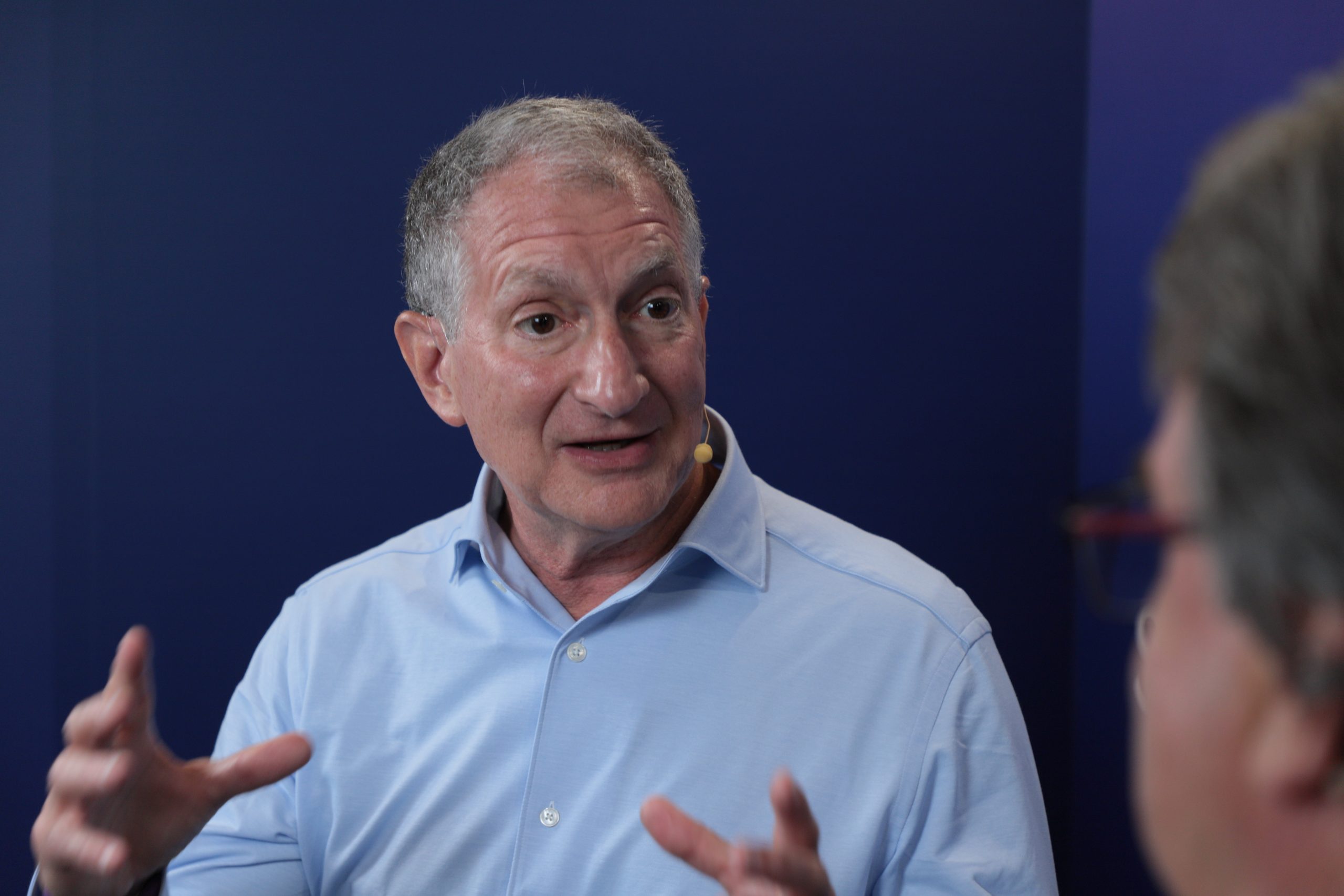
Agentic AI is introducing complex, end-to-end workloads that are compelling Advanced Micro Devices Inc. to architect and implement its infrastructure more holistically than ever before, according to Mark Papermaster (pictured), chief technology officer and executive vice president of Advanced Micro Devices.
“The workloads are so complex because people are looking at what they do end to end. They’re looking at whole processes, not just one bespoke task,” Papermaster said. “That means you need different computing engines and they need to work together at scale. We’re talking across massive clusters of racks.”
Papermaster spoke with theCUBE’s John Furrier at RAISE Summit, during an exclusive broadcast on theCUBE, SiliconANGLE Media’s livestreaming studio. They discussed the shift toward system-level AI infrastructure optimization and the growing importance of modular, heterogeneous architectures for enterprise AI. (* Disclosure below.)
System-level AI infrastructure optimization
To meet that demand, AMD expanded its portfolio through acquisitions of Xilinx, Pensando and ZT Systems, evolving from a chip designer into a rack-level system optimizer. The company’s unified software stack, ROCm, runs identically across large data center clusters, edge deployments and AI-enabled PCs — giving enterprises a path to route workloads to the most cost-efficient compute tier without replacing existing x86 infrastructure.
“Most enterprises — that’s very expensive if you run everything in the cloud or a big data center,” Papermaster said. “They’re looking to run that more economically, and often at the edge it has to be done locally because you need real-time response. We’ve done that for not only our CPU and GPU, but the embedded neural processors that we have on the PCs, and also in the embedded edge.”
Here’s the complete video interview, part of SiliconANGLE’s and theCUBE’s coverage of RAISE Summit:
(* Disclosure: TheCUBE is a paid media partner for the RAISE Summit event. Neither Solidigm, the headline sponsor of theCUBE’s event coverage, nor other sponsors have editorial control over content on theCUBE or SiliconANGLE.)
Photo: SiliconANGLE
Support our mission to keep content open and free by engaging with theCUBE community. Join theCUBE’s Alumni Trust Network, where technology leaders connect, share intelligence and create opportunities.
- 15M+ viewers of theCUBE videos, powering conversations across AI, cloud, cybersecurity and more
- 11.4k+ theCUBE alumni — Connect with more than 11,400 tech and business leaders shaping the future through a unique trusted-based network.
About SiliconANGLE Media
Founded by tech visionaries John Furrier and Dave Vellante, SiliconANGLE Media has built a dynamic ecosystem of industry-leading digital media brands that reach 15+ million elite tech professionals. Our new proprietary theCUBE AI Video Cloud is breaking ground in audience interaction, leveraging theCUBEai.com neural network to help technology companies make data-driven decisions and stay at the forefront of industry conversations.