
EBM WEEKEND READ:
MAY 16th 2026–How Football Became an Asset Class
Think about what has changed at a top European football club over the last ten years.New stadium. Higher ticket prices. A hotel next door. A museum. A streaming deal. A sponsor for Asia, a different one for the Middle East, another for North America. Players arriving from feeder clubs you have never heard of in countries you would not expect.
None of that happened by accident. It happened because Wall Street bought football.
Join The European Business Briefing
New subscribers this quarter are entered into a draw to win a Rolex Submariner. Join 40,000+ founders, investors and executives who read EBM every day.
More than a third of clubs in Europe’s five biggest leagues now have private equity money behind them. Multi-club ownership groups — firms that buy stakes in several clubs and run them like a business portfolio — now control nearly half of all top-flight clubs across the continent. Roughly 40% of elite European football is now backed by American institutional capital.Valuations have exploded. Stadiums have been modernised. Commercial revenues have surged. The sport has genuinely been transformed.But here is the one sentence you need to understand everything that comes next.
Private equity was never meant to stay forever.
Why Wall Street Bought Football
To understand the problem, you first need to understand why the money came in.
American private equity firms — Elliott Management, RedBird Capital, Clearlake Capital, CVC Partners, Silver Lake, Sixth Street, Ares Management — looked at European football and saw something they recognised immediately. They saw American sports, twenty years ago, before anyone figured out how to make money from them properly.
The NFL, the NBA, the MLB — American sports leagues spent three decades professionalising everything. Premium seating. Naming rights for stadiums. Tiered sponsorship deals. Merchandise licensing. Data partnerships. By the time US investors looked at European football, those same leagues were generating vastly more revenue per fan than European clubs were — despite European clubs having bigger global audiences.
That gap was the opportunity
The fundamentals backed it up. Premier League broadcasting rights exceeded £10 billion for the 2022 to 2025 cycle. Streaming was opening up hundreds of millions of new viewers across Asia, the Middle East, and North America. The clubs themselves — the badges, the histories, the stadiums — were irreplaceable. You cannot manufacture another AC Milan or another Arsenal. They are genuinely scarce assets with genuinely global audiences.
Then Covid hit. Clubs that had been spending freely suddenly had no matchday income. Some owners needed to sell. At the same time, interest rates were at historic lows — meaning the money borrowed to buy a club was extraordinarily cheap to service.
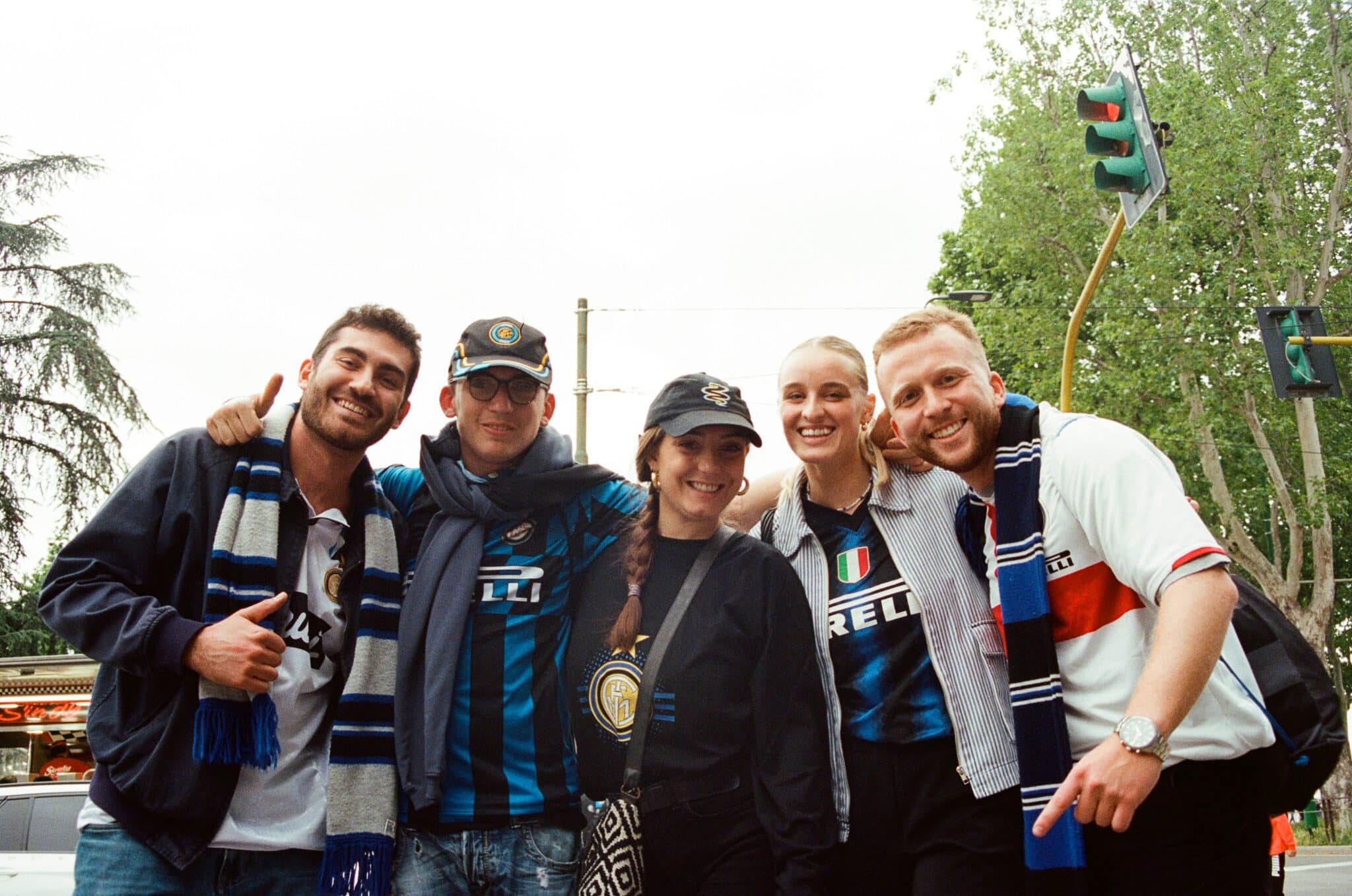
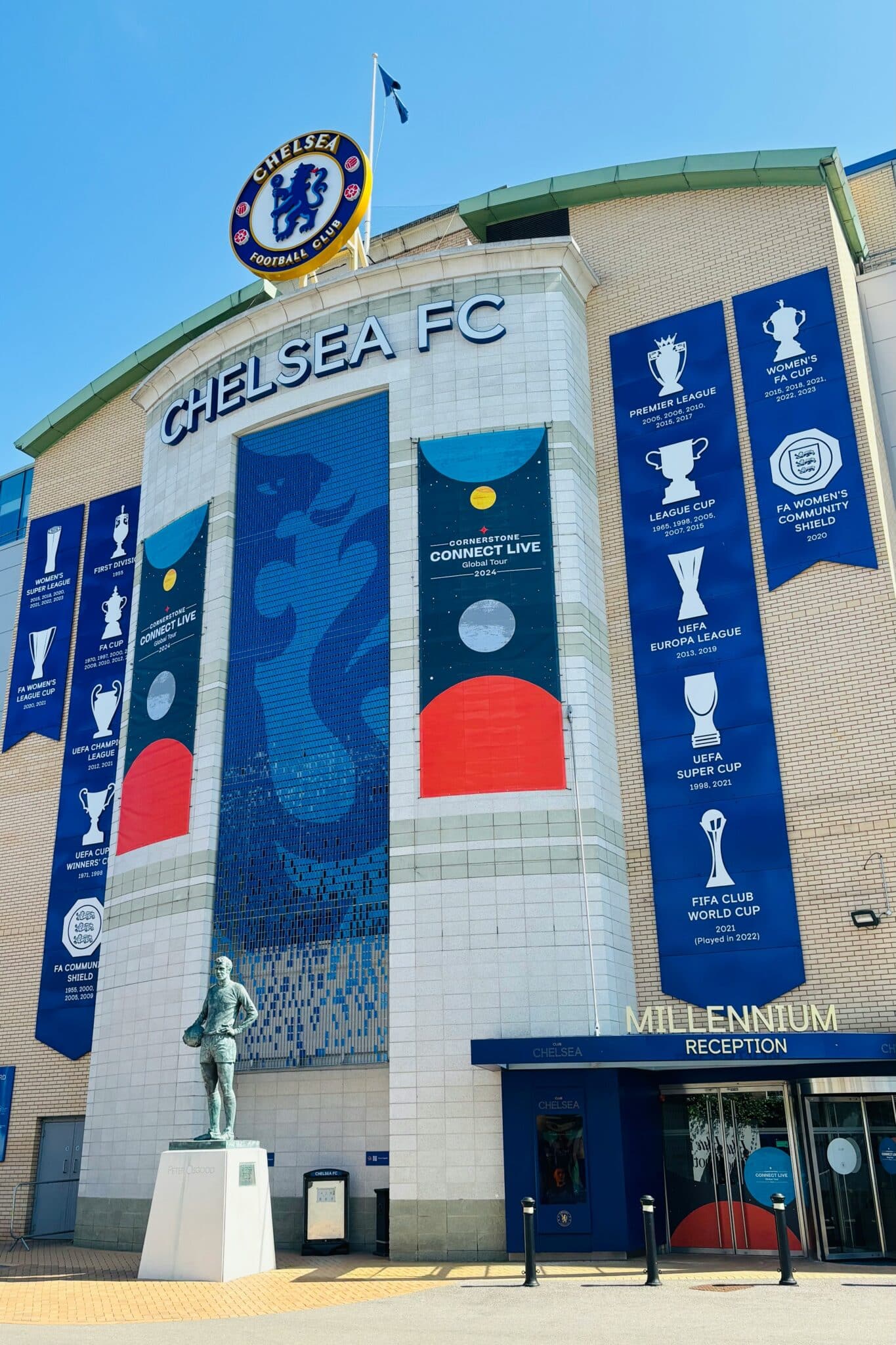
Clearlake Capital paid £2.5 billion for Chelsea. RedBird Capital paid €1.2 billion for AC Milan. Oaktree Capital Management took control of Inter Milan after its Chinese owner defaulted on a loan. Ares Management financed the RedBird deal and extended credit lines to Atlético Madrid and Olympique Lyonnais. Silver Lake invested $500 million in City Football Group, the holding company that owns Manchester City alongside clubs on four continents.
The shared belief driving every one of those deals: European football was under-managed American sports. The people who knew how to run American sports had found their entry point.
What the Money Changed
The transformation was real. It is worth being honest about that.
Elliott Management’s time at AC Milan is the clearest example. Elliott took over a club drowning in €500 million of debt. In four years it cleared the balance sheet, won Serie A, rebuilt the squad, and sold to RedBird for €1.2 billion — making around €300 million profit. Professional commercial management, applied to a globally famous brand, produced exactly the returns the theory promised.
Across the sport more broadly, the changes have been structural. Tickets got significantly more expensive. Grounds that used to sit empty six days a week became commercial districts — hotels, restaurants, museums, retail — generating revenue every day. Sponsorship deals became far more sophisticated, with clubs selling regional exclusivity packages rather than one global shirt sponsor.
Multi-club ownership changed how players are developed and traded. A teenager in Brazil no longer jumps straight to a European giant. He goes first to a feeder club in Portugal or Belgium, owned by the same group, to develop cheaply. City Football Group runs thirteen clubs on this model. It is a talent supply chain, not a football club.
Tourism football emerged as a real revenue category. Clubs now market matchday experiences to visiting fans from overseas who will pay far above face value for hospitality packages. The visiting American family spending £800 on a matchday package contributes more per head than the season ticket holder who has been coming for thirty years.
Football changed. Structurally, permanently, and in ways that do not reverse themselves even if the money leaves.
The Exit Problem
Here is where it gets complicated.
Private equity funds raise money from investors — pension funds, university endowments, sovereign wealth funds — with a specific promise attached. We will return your capital, with profit, within a defined timeframe. Usually five to seven years.
The funds that bought into European football between 2019 and 2022 are now entering that window. They need to sell. The question — and nobody has a clean answer to it — is who buys next.
The obvious candidates are sovereign wealth funds. But many of the most obvious have already moved. Saudi Arabia’s Public Investment Fund owns Newcastle. Qatar Sports Investment owns PSG. The Abu Dhabi royal family controls Manchester City. The pool of sovereign capital prepared to pay 2026 football valuations is not unlimited.
Individual billionaires remain an option. But entry prices have risen dramatically. Clubs that sold for £300 million a decade ago now carry valuations at multiples of that. The number of people capable of writing those cheques — and willing to — is smaller than the number of clubs looking for new owners.
There is also a political problem. Fan backlash against outside ownership has intensified. Regulators across Europe are scrutinising ownership structures more carefully. The Super League debacle of 2021 — which was essentially a PE-driven attempt to create a closed American-style league — permanently damaged the relationship between institutional investors and the clubs’ supporter bases in ways that make future deals politically harder.
The same pattern playing out across leveraged businesses globally — assets bought cheaply with cheap money, now needing to be sold in a completely different interest rate environment — has arrived in football. The sport is not immune to the liquidity cycle. It just found out later than most.
The Media Rights Ceiling
Every football valuation built over the past decade rests on one core assumption: broadcasting and streaming revenues will keep rising indefinitely. That assumption is now cracking.
DAZN is the warning everyone in the industry is quietly trying to ignore. The streaming service paid €325 million per season for Ligue 1 rights in 2024. One year later it walked away, paying €100 million in termination fees to get out. The reason was simple arithmetic: DAZN needed 1.5 million subscribers in France to break even on the deal. It had fewer than 500,000. Piracy — widespread across Southern Europe — was eating into the subscriber numbers it needed to make the economics work.
Amazon is now the world’s largest streaming spender on sports rights in 2026, overtaking DAZN. But Amazon and Apple are selective buyers. They will pay premium prices for premium inventory — Champions League, the NFL, the NBA. They are not going to underwrite the entire broadcasting ecosystem that keeps mid-table club valuations inflated.
Younger audiences are fragmenting across social media platforms in ways that traditional rights deals cannot capture. The generation that grew up watching YouTube clips and TikTok highlights is not automatically going to pay £40 a month for a sports subscription. Piracy is structural, not occasional.
The same forces pressuring European financial institutions — a world that looks structurally different from the one the original investment thesis assumed — are arriving at the foundation of football’s valuation model. If media rights growth stalls or reverses, the exit prices PE funds need become very hard to justify to any buyer.
What Happens When Capital Leaves
If PE funds cannot find exits at the valuations they need, the consequences will spread through the entire sport quickly.
Transfer fees will fall. The inflated player market of the last decade was built on clubs spending future revenue before it arrived. When confidence in future revenue weakens, budgets contract fast. The smaller clubs in lower divisions that survive by selling their best players to the big clubs — often their only meaningful source of income — would feel this most painfully.
Wages will face compression. Players have negotiated contracts priced for perpetual revenue growth. Renegotiating those contracts when the money is no longer there creates serious problems inside clubs that are already carrying significant debt.
Some clubs will be forced into consolidation or sale. The debt used to finance acquisitions has to be serviced regardless of what happens on the pitch. Relegation — a concept that simply does not exist in American closed-league sports — can trigger loan covenants that make refinancing impossible overnight. The parallels with how Deutsche Bank spent a decade unwinding the consequences of overleveraged assumptions are not comfortable reading for anyone currently holding football club debt.
The fan ownership movement will find its political moment. Germany’s 50+1 rule — which requires supporters to hold majority ownership of clubs — has been dismissed by PE firms for years as an obstacle to commercialisation. When institutional investors are visibly struggling to exit at a profit, the argument that clubs belong to their communities rather than to financial funds becomes significantly more powerful.
Football’s first post-cheap-money era is beginning. The same lesson that Revolut and every other growth institution built on cheap capital assumptions is learning — that the liquidity cycle eventually turns, and the assets that looked transformational at low interest rates look very different at high ones — has arrived in football. SoftBank understood this risk when it made its $30 billion OpenAI bet and pressed ahead anyway. Football’s PE investors did not fully price it in.
The Honest Verdict
The bull case for private equity in European football was real and much of it played out. Stadiums improved. Commercial revenues grew substantially. Professional management was applied to institutions that genuinely needed it. The model worked when the conditions were right.
But the model was built on three things: cheap debt, rising media rights, and a liquid exit market. All three have deteriorated at the same time. The funds that bought between 2020 and 2022 will not all find the exits they need at the valuations they want. Some will. Others face difficult choices — hold longer, refinance at worse terms, or sell at a loss.
The same truth that UBS had to confront after absorbing Credit Suisse applies here: the institutions that survive a financial reset intact are the ones that never confused a rising market with their own brilliance.
European football spent a decade learning how to live with Wall Street money.
The next decade may be about discovering what happens when Wall Street wants it back.
Related Analysis