
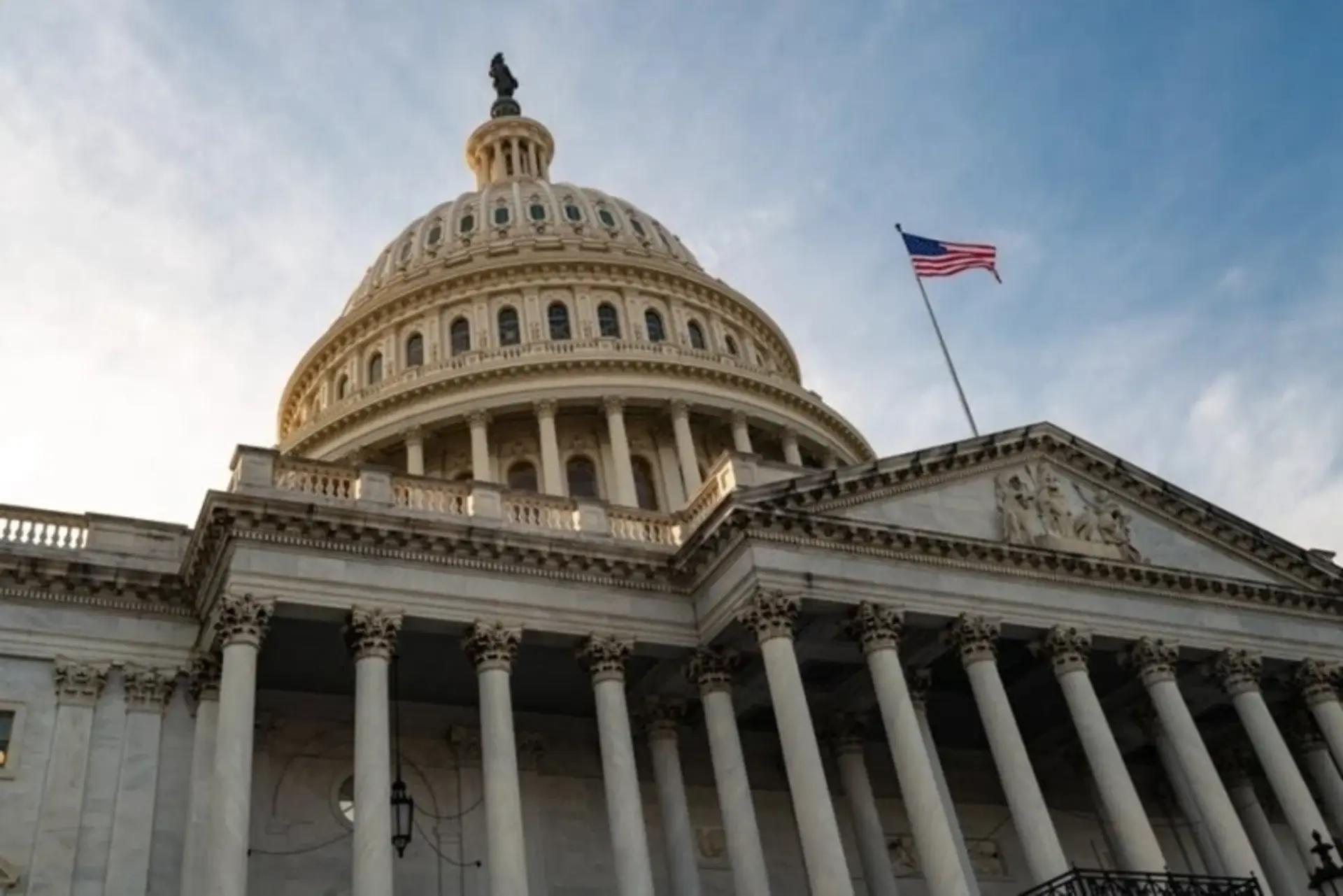
- The U.S. Senate has advanced the CLARITY Act, a bill covering crypto market-structure regulation and dollar-backed stablecoins.
- The industry says passage of the bill would expand crypto adoption by institutional investors, traditional banks, asset managers and sovereign wealth funds.
- Tough U.S. regulation on yield-bearing stablecoins could create opportunities for capital inflows and higher yields at Asian exchanges, DeFi protocols and wrapped products.
Forecast Trend Report by Period
The U.S. Senate is moving ahead with the CLARITY Act, a crypto market-structure bill that could further expand the global influence of dollar-backed stablecoins if it becomes law, CoinDesk reported on May 15.
The Senate Banking Committee approved the CLARITY Act on May 14 by a 15-9 vote, CoinDesk said. The bill would establish a broad US regulatory framework for the crypto market, including anti-money laundering rules and ethics standards. It now awaits a vote by the full Senate.
The industry expects the measure to accelerate institutional participation in the market. Tim Sun, chief researcher at HashKey Group, told CoinDesk that the bill would strengthen the legal foundation for traditional banks, asset managers and sovereign wealth funds to add digital assets to their investment frameworks. He added that the move could also spur wider use of dollar stablecoins across Asia.
Sun said the legislation could also benefit Asian economies and emerging markets. Those markets share active trade and capital flows, as well as currency structures that are vulnerable to external shocks. Dollar stablecoins could give companies and investors a more flexible liquidity tool, he said.
Future competition will depend less on whether the US or Asia gains the upper hand and more on how effectively dollar liquidity is connected with regional assets and local financial institutions, Sun added.
He also said offshore markets could stand to benefit if the US imposes strict curbs on yield-bearing stablecoins. That could create opportunities for regulatory arbitrage, with Asian exchanges, decentralized finance protocols and wrapped products attracting capital by offering higher yields.