

Close Menu
Aspire Market Guides
  • Home
  • Alternative Investments
  • Cryptocurrency
  • Economics
  • Equity Investments
  • Mutual Funds
  • Real Estate
  • Trading
What's Hot

As Market Broadens, Look to High Conviction ETF RANK

October 3, 2026

UK stablecoin regime 2027: Bank of England mandate

October 3, 2026

Hedge funds built a $1.2 trillion Treasury trade on money they have to keep borrowing | Analysis featured

October 3, 2026
Facebook X (Twitter) Instagram
Trending:
  • As Market Broadens, Look to High Conviction ETF RANK
  • UK stablecoin regime 2027: Bank of England mandate
  • Hedge funds built a $1.2 trillion Treasury trade on money they have to keep borrowing | Analysis featured
  • Weekly Market Recap (October 3) – The Clean-Energy Economy Is Recycling Its Way Out
  • Private Equity’s Exit Problem Is Getting Worse: 33% of 2017 Deals Are Still Stuck
  • LeadingMile appoints Jamie Nascimento as Partner and Chief Revenue Officer
  • Two rare CryptoPunks NFTs sold for 3.875M USDC using a new loan repayment feature on Oct 1 – Pluang
  • This 100 Year Old Silver Mine Keeps Getting Bigger | Oliver Turner – Americas Gold and Silver
  • Mastering Derivatives: Managing intraday futures positions
  • India’s macroeconomic fundamentals strong, wider trade ties reducing vulnerability: PK Mishra
Saturday, October 3
Facebook X (Twitter) Instagram
Aspire Market Guides
  • Home
  • Alternative Investments
  • Cryptocurrency
  • Economics
  • Equity Investments
  • Mutual Funds
  • Real Estate
  • Trading
Aspire Market Guides
Home»Cryptocurrency»UK stablecoin regime 2027: Bank of England mandate
Cryptocurrency

UK stablecoin regime 2027: Bank of England mandate

By CharlotteOctober 3, 20266 Mins Read
Share
Facebook Twitter Pinterest Email Copy Link


In brief: The British government plans a secondary innovation objective for the Bank of England covering payment systems and new digital forms of money. Financial stability remains the primary aim; the plan is not a licence already granted, nor an authorisation of individual stablecoin providers. What will decide the market impact is the existing FCA rulebook, the treatment of systemically important providers and the planned start of the broader regime in 2027.

Why the announcement is drawing attention now

The Bank of England stablecoin mandate has become a talking point over the past few days because it appears to mark a new role for the UK central bank. According to the official HM Treasury announcement, the Bank of England is to be given a secondary objective: promoting innovation in payment systems and in new digital forms of money. The important word here is “secondary”, which means subordinate. Financial stability remains the Bank’s primary remit, the government says, and the innovation objective is purely additional. For readers in Europe the move matters because UK crypto regulation follows its own legal framework and because London carries considerable weight in digital financial markets. One point should be clear from the outset: the announcement does not mean that new stablecoin licences have been granted, or that every payment project automatically falls under Bank of England supervision.

A mandate sets priorities, it does not create permission

A mandate is the scope of duties set in law or politics for a public institution. An additional innovation objective can influence how the Bank designs regulation, assesses consultations and works with other authorities, but for now it does no more than that. The difference can be set out in three steps:
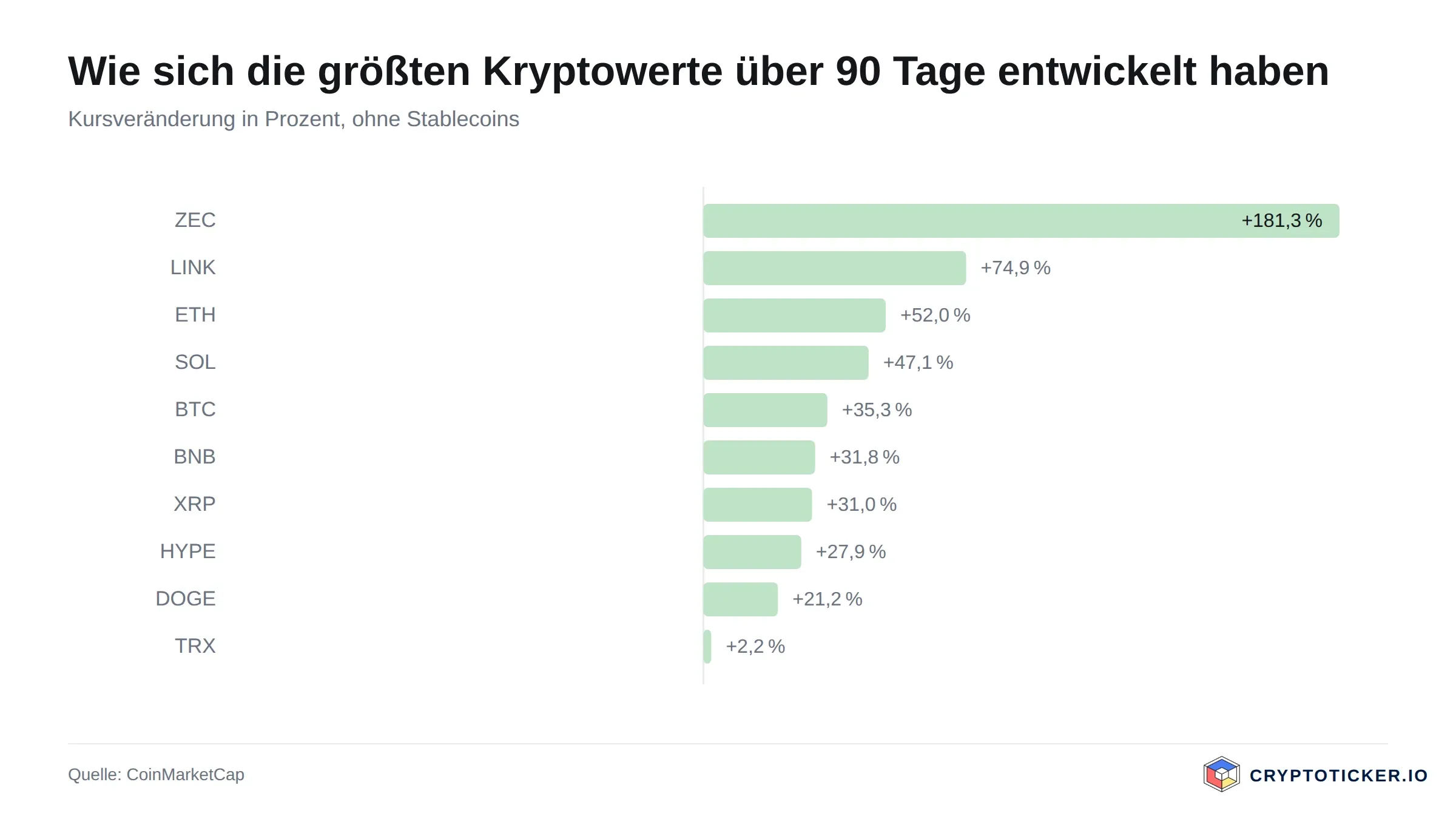
Bar chart: 90-day price change of the largest crypto-assets
The largest crypto-assets over 90 days, based on CoinMarketCap data
  • Mandate: describes the objective and the institutional priority.
  • Rulebook: sets out concrete obligations, for instance on reserves, redemption, reporting and risk management.
  • Permission, or supervision of a company: covers the assessment of a single provider against the requirements that apply to it.

The new objective is to be implemented through amendments to the Financial Services and Markets Bill. On its own it is therefore neither a finished stablecoin regime nor an immediate authorisation.

Three-stage illustration of the innovation objective, regulatory rules and supervision of a single stablecoin.

In context: The wider mandate changes the regulatory direction. Binding requirements and decisions on individual companies do not follow from it automatically.

Why digital tokens are treated as payment infrastructure

Stablecoins are crypto tokens designed to tie their value to a currency or to other assets. What counts is not a blanket “stable” price but the quality of the reserves and reliable redemption. Payment infrastructure, in this context, means the technical, legal and organisational systems through which money is transferred, settled and secured. Two examples show why that matters: faster cross-border corporate payments and programmable payment steps in digital trading are seen as possible benefits of stablecoins in payment innovation. The Bank of England’s own assessment also names the risks, however: a loss of confidence in the value, insufficient reserves, delayed redemption at par, cyber or operational failures, and possible contagion effects once use becomes widespread in digital financial markets.

Supervision is already split across several bodies

A common misunderstanding is that the Bank of England will now become the single stablecoin authority. In practice, responsibilities differ according to the type of offering and its potential systemic importance. Under the joint approach taken by the Bank of England and the FCA, the FCA regulates UK-issued qualifying stablecoins as a matter of principle. Where HM Treasury recognises an issuer or a system as systemically important, joint supervisory arrangements between the FCA and the Bank of England apply on top, with the Bank looking in particular at prudential questions and financial stability, meaning a provider’s sound financial resources, risk management and resilience. The Bank has already published a policy statement on sterling-denominated systemic stablecoins. The accompanying code of practice is to be finalised only after consultation, by the end of 2026, and nothing in that allows the conclusion that particular issuers are already recognised or authorised.

What is already settled: Regulatory groundwork and a division of labour exist already. The wider mandate is added to them, but it replaces neither the FCA nor HM Treasury’s recognition of systemic cases.

Which questions remain open before any practical effect

Despite the rules already in place, central questions of implementation remain open:
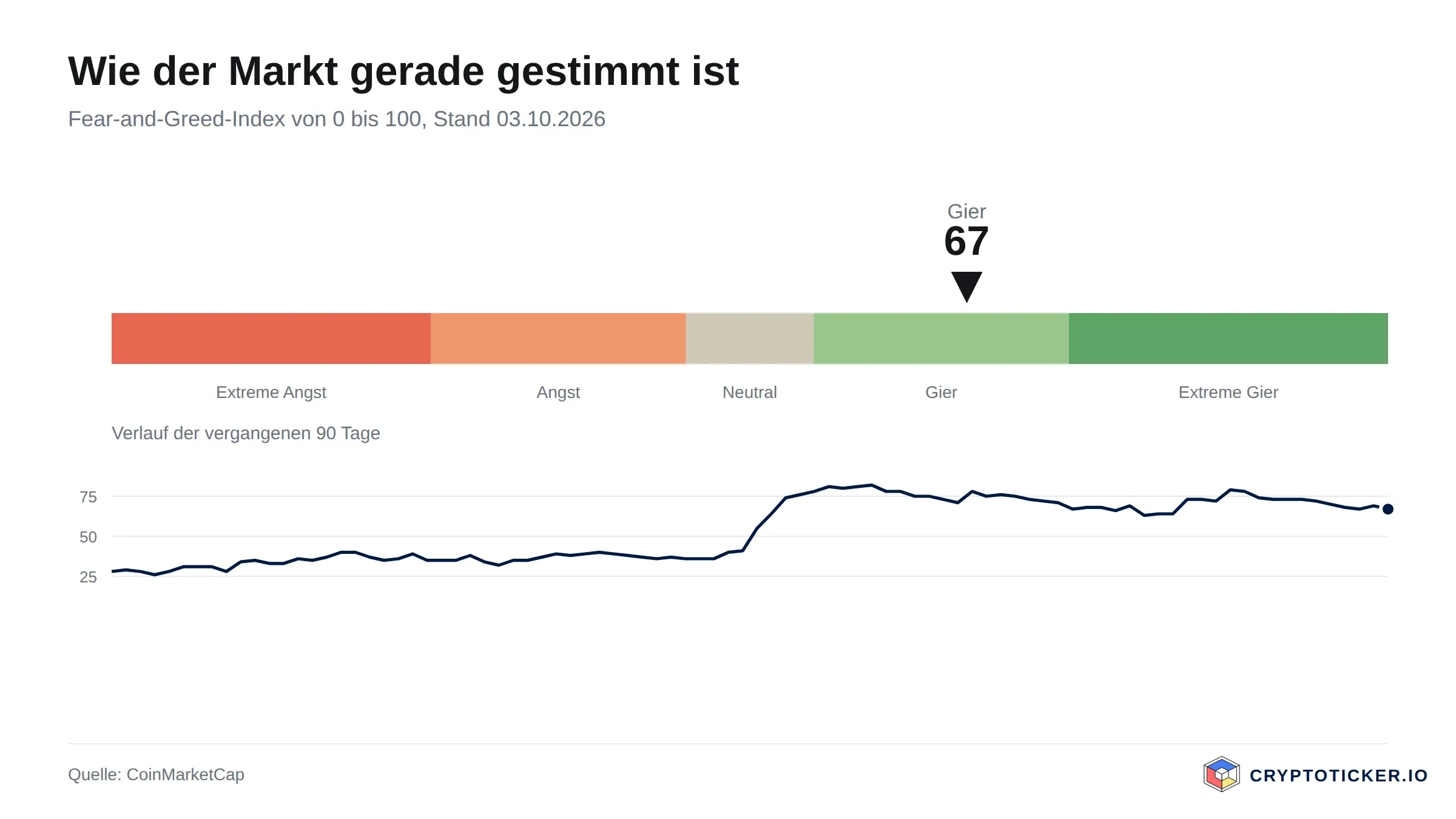
Fear and Greed Index scale with the path of the past 90 days
The Fear and Greed Index places market sentiment between extreme fear and extreme greed
  • Which offerings count in an individual case as qualifying and which as systemically important stablecoins?
  • When, and against which criteria, does HM Treasury grant recognition?
  • Which requirements apply in concrete terms to reserves, custody, redemption and customer information?
  • How will the FCA, the Bank of England and the Treasury align reviews, reporting and crisis measures?
  • Which transitional periods apply before the broader regime becomes applicable in practice?

Custody here means the safe administration or safeguarding of reserve assets or client assets, while redemption means the right to exchange a stablecoin back for its reference value under defined conditions. On timing, the Cryptoassets Regulations 2026 create the legal basis for a broader regime; in them, issuing qualifying stablecoins is framed as a regulated activity requiring FCA permission. According to the explanatory memorandum, the regime is to enter into force on 25 October 2027.

What UK providers and European companies should watch

For issuers, meaning companies or institutions that put a stablecoin into circulation and carry responsibility for taking it back, and equally for banks, payment service providers and fintechs, greater institutional attention may create long-term clarity for payment applications, yet it also raises the planning and compliance burden, meaning adherence to legal, regulatory and internal requirements. In concrete terms it is worth looking at the final Bank of England rules for systemic cases, at the FCA requirements already published on backing assets and redemption, at the legislative implementation of the innovation objective, and at the timetable running to 2027. EU rules are not automatically authoritative for the United Kingdom; comparisons should always rest on the law that actually applies, rather than on a blanket equivalence.

The practical check: Anyone watching the UK market, or planning to operate there, should follow not only the mandate story but above all the final standards, the division of responsibilities and the transitional periods.

The Bank of England stablecoin mandate underlines that the United Kingdom treats digital means of payment as part of a modern financial and payment infrastructure. The innovation objective is not a licence in its own right, though, nor a commitment to individual providers, and it is no substitute for the rule-making and supervisory processes already under way. The real effect on UK crypto regulation will be measured by how the Treasury, the FCA and the Bank of England actually bring responsibilities, safety requirements and implementation deadlines together.


Source link

Related Posts

Cryptocurrency

Two rare CryptoPunks NFTs sold for 3.875M USDC using a new loan repayment feature on Oct 1 – Pluang

October 3, 2026
Cryptocurrency

Cryptocurrency News This Week: BTC Open Interest Jumps $2.3B While Pepeto Presale Hits a Nerve

October 3, 2026
Cryptocurrency

XRP Ledger Stablecoin Supply Jumps 14.6% to $1.33B | Market Analysis

October 3, 2026
Cryptocurrency

Bitcoin, Ethereum, and Solana ETFs All Saw Outflows on the Last Day of the Quarter. What Happened?

October 3, 2026
Cryptocurrency

2026 Cryptocurrency Rankings: What Are the Most Recommended Cryptocurrencies?

October 3, 2026
Cryptocurrency

Bitcoin’s $87K Rally Was a Trap: Could $82.5K Be the Real Buying Opportunity? | Bitcoin Crypto Bits

October 3, 2026
Add A Comment
Leave A Reply Cancel Reply

Editors Picks

As Market Broadens, Look to High Conviction ETF RANK

October 3, 2026

UK stablecoin regime 2027: Bank of England mandate

October 3, 2026

Hedge funds built a $1.2 trillion Treasury trade on money they have to keep borrowing | Analysis featured

October 3, 2026

Weekly Market Recap (October 3) – The Clean-Energy Economy Is Recycling Its Way Out

October 3, 2026
SUBSCRIBE TO OUR NEWSLETTER

Get our latest downloads and information first. Complete the form below to subscribe to our weekly newsletter.


I consent to being contacted via telephone and/or email and I consent to my data being stored in accordance with European GDPR regulations and agree to the terms of use and privacy policy.

Featured

Active funds gained ground in 2026, but 75% still trail passive over 10 years

August 12, 2026

Carvana Insurance Milestone With Root Puts Focus On Checkout Economics

April 25, 2026

The Algerian paradox: Pricing fiscal risks amid strong macroeconomic headlines

September 12, 2026
Monthly Featured

European Central Banks Push to Widen Stablecoin Yield Ban

September 23, 2026

Wrapped Bitcoin Heads Off Exchanges!

July 14, 2026

Invesco Files Tokenized Stablecoin Reserve Fund: On-Chain Shares in a $4T Market Race

June 27, 2026
Latest Posts

As Market Broadens, Look to High Conviction ETF RANK

October 3, 2026

UK stablecoin regime 2027: Bank of England mandate

October 3, 2026

Hedge funds built a $1.2 trillion Treasury trade on money they have to keep borrowing | Analysis featured

October 3, 2026
SUBSCRIBE TO OUR NEWSLETTER

Get our latest downloads and information first. Complete the form below to subscribe to our weekly newsletter.


I consent to being contacted via telephone and/or email and I consent to my data being stored in accordance with European GDPR regulations and agree to the terms of use and privacy policy.

© 2026 Aspire Market Guides.
  • Contact us
  • Privacy Policy
  • Terms and Conditions

Type above and press Enter to search. Press Esc to cancel.

SUBSCRIBE TO OUR NEWSLETTER

Get our latest downloads and information first.

Complete the form below to subscribe to our weekly newsletter.


I consent to being contacted via telephone and/or email and I consent to my data being stored in accordance with European GDPR regulations and agree to the terms of use and privacy policy.