
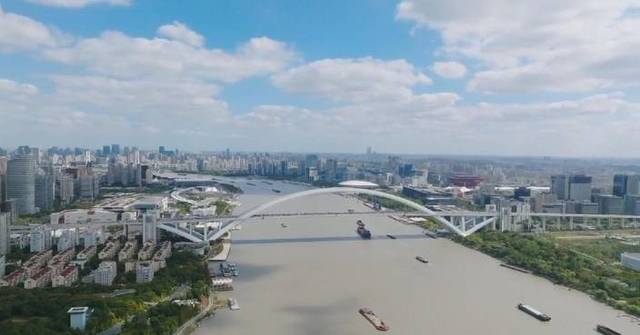
China will accelerate the establishment and improvement of a modern fiscal macroeconomic regulation mechanism during the 15th Five-Year Plan period (2026–2030) as part of its broader efforts to stabilize the economy and support high‑quality development, a senior finance official said on Friday.
Vice Minister of Finance Liao Min told a press conference held by the State Council Information Office in Beijing that the ministry will build a modern fiscal macro‑regulation system featuring targeted policies, diverse tools, clear guidance, and strong coordination.
“During the 15th Five‑Year Plan period, the Ministry of Finance will, in accordance with the relevant arrangements of the Party Central Committee and the State Council, scale up counter-cyclical fiscal adjustments with greater focus on enhancing the effectiveness and precision of fiscal macroeconomic regulation. This will lay a solid foundation for stabilizing the overall macroeconomic landscape, promoting economic structural adjustment, and ensuring sustained and sound high-quality economic and social development. In essence, the goal is to accelerate the establishment and improvement of a modern fiscal macroeconomic regulation mechanism that features precise policies, diverse tools, effective guidance, and efficient coordination,” he said.
The vice minister also elaborated on the key principles guiding the ministry’s fiscal policy over the next five years.
“First, we will adhere to the general principle of pursuing progress while ensuring stability. On one hand, we will maintain policy continuity and stability. On the other, we will prepare and roll out incremental measures in a timely manner to maximize the combined effect of existing and new policies. Second, we will strike a balance between aggregate and structural approaches. We will put greater emphasis on investing in people and raise the share of public service spending in total fiscal expenditure,” said Liao.
In addition, the ministry will also focus on coordinating both the supply and demand sides, and on the integrated coordination of policy tools. It will target the bottlenecks and difficulties that constrain the smooth flow of the economic cycle, promote the normalization and long-term effectiveness of fiscal-financial coordination, and leverage fiscal funds to guide financial resources, so as to better unleash consumption potential and investment vitality, he said.
“Alongside fiscal macro‑regulation, we will continue to drive progress through reform, enhance efficiency through better management, and safeguard security by mitigating risks. We will improve the allocation of fiscal resources and the effectiveness of public spending, so as to better support growth and economic transformation, and achieve a virtuous cycle of high‑quality development and fiscal sustainability during the 15th Five‑Year Plan period,” said Liao.
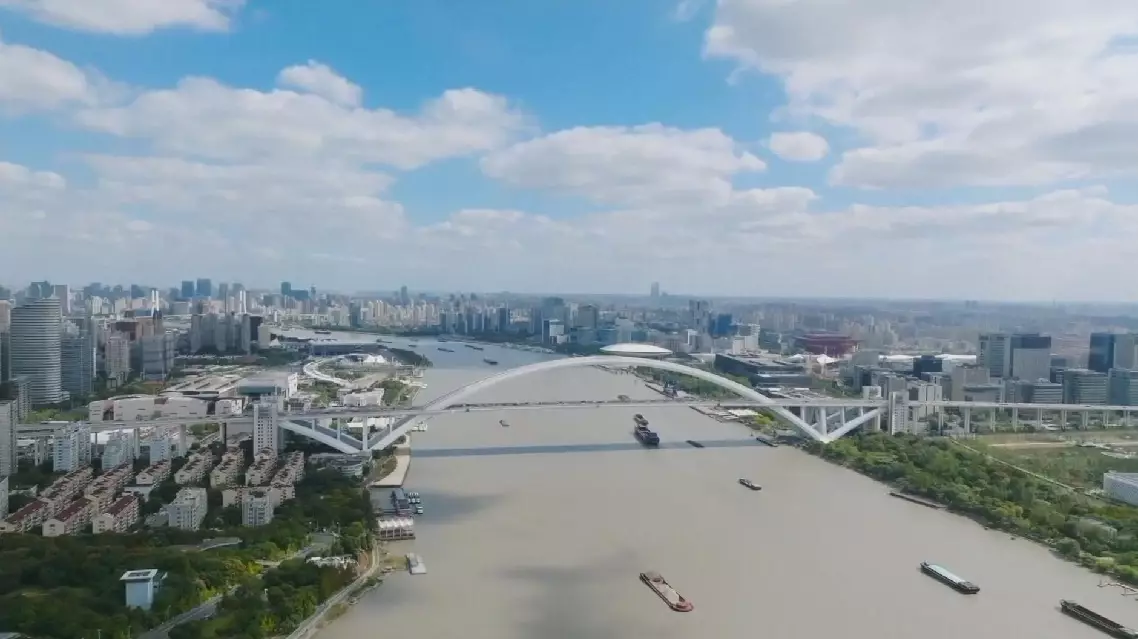
China to speed up establishment of modern fiscal macroeconomic regulation mechanism: official
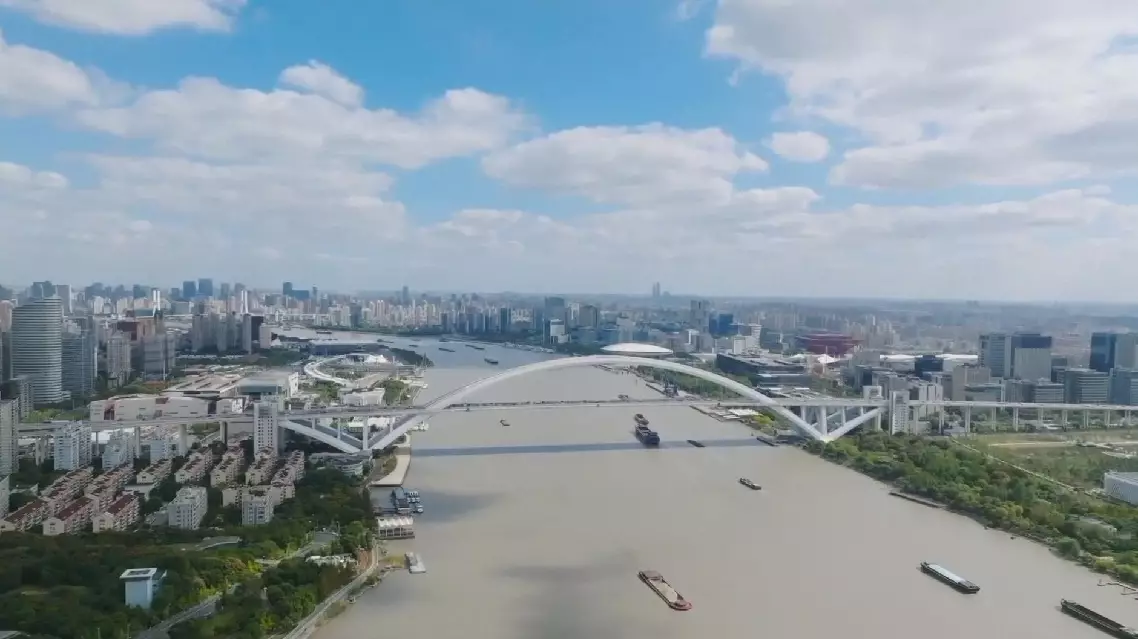
China to speed up establishment of modern fiscal macroeconomic regulation mechanism: official
Displaced farming families are returning to their homeland in Gaza City, restoring fields and growing food again, though challenges like poor farming conditions and lack of supplies remain.
In parts of Gaza, farmland damaged during Israel’s war on the enclave is slowly coming back to life.
Fresh vegetables are being harvested again from farmland in Gaza City’s Al-Zaitoun neighborhood.
For the Al-Dahdouh family, these crops mark the return of their land to life.
The challenges have been immense. Nearly three years of war have left much of Gaza’s farmland damaged or bulldozed, making the return to farming a difficult task for families trying to start again.
“When we returned after being displaced, the land was covered with piles of rubble and debris and was difficult to access. Everyone in the family worked together to rehabilitate it for farming. Thankfully, we were finally able to cultivate it again,” said Wajiha Al-Dahdouh, a Palestinian farmer.
Rebuilding livelihoods and restoring a sense of normal life remains difficult after the three years of war, repeated displacement and the loss of income for many families.
“We can’t afford to hire workers to help us with farming because of the high costs. We also face serious difficulties securing water for irrigation and pesticides. It has been a huge burden on us,” said Iman Al-Dahdouh, another Palestinian farmer.
The Al-Dahdouh family is among around 350 farming families supported by United Nations Development Program (UNDP) with Relief Housing Units and farming assistance.
Around 1,100 families are expected to benefit in total.
“For the last three years, it has been total destruction, and people have had to leave their homelands. The families have been displaced multiple times to various locations in the midland south area of the Gaza Strip. What you see here now is life returning to the neighborhood, and UNDP supports these families through providing dignified shelters and housing solutions through what we call relief housing units,” said Margunn Indreboe Alshaikh, deputy special representative of UNDP Palestine.
The initiative is part of UNDP’s Neighbourhood Approach, combining housing with basic services and livelihood support.
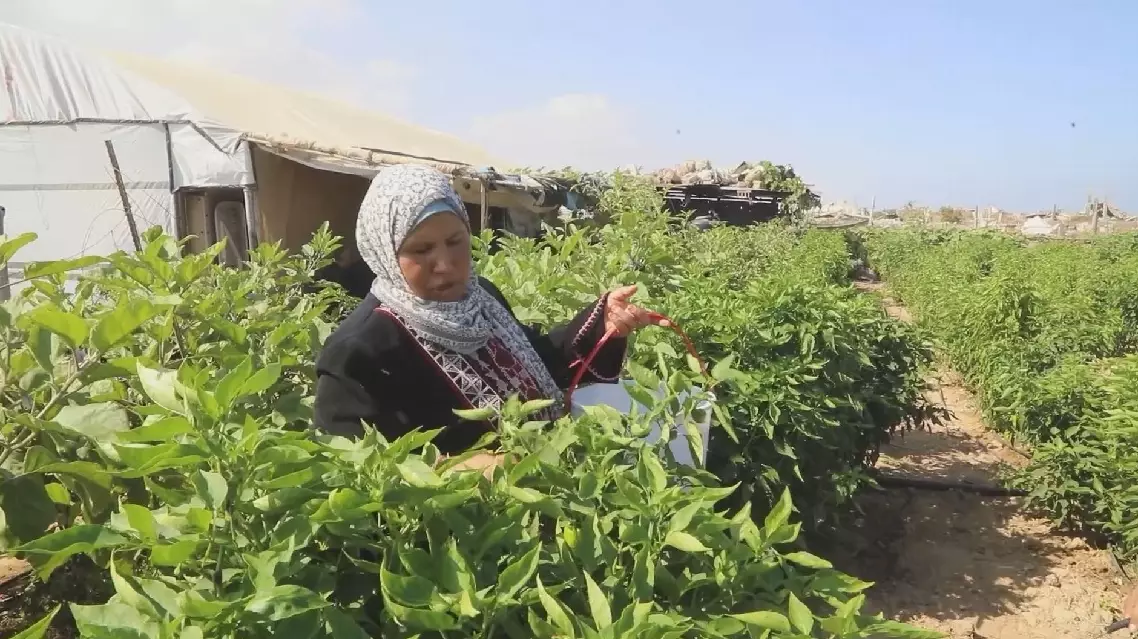
Displaced farmers arrive back in Gaza amid challenges