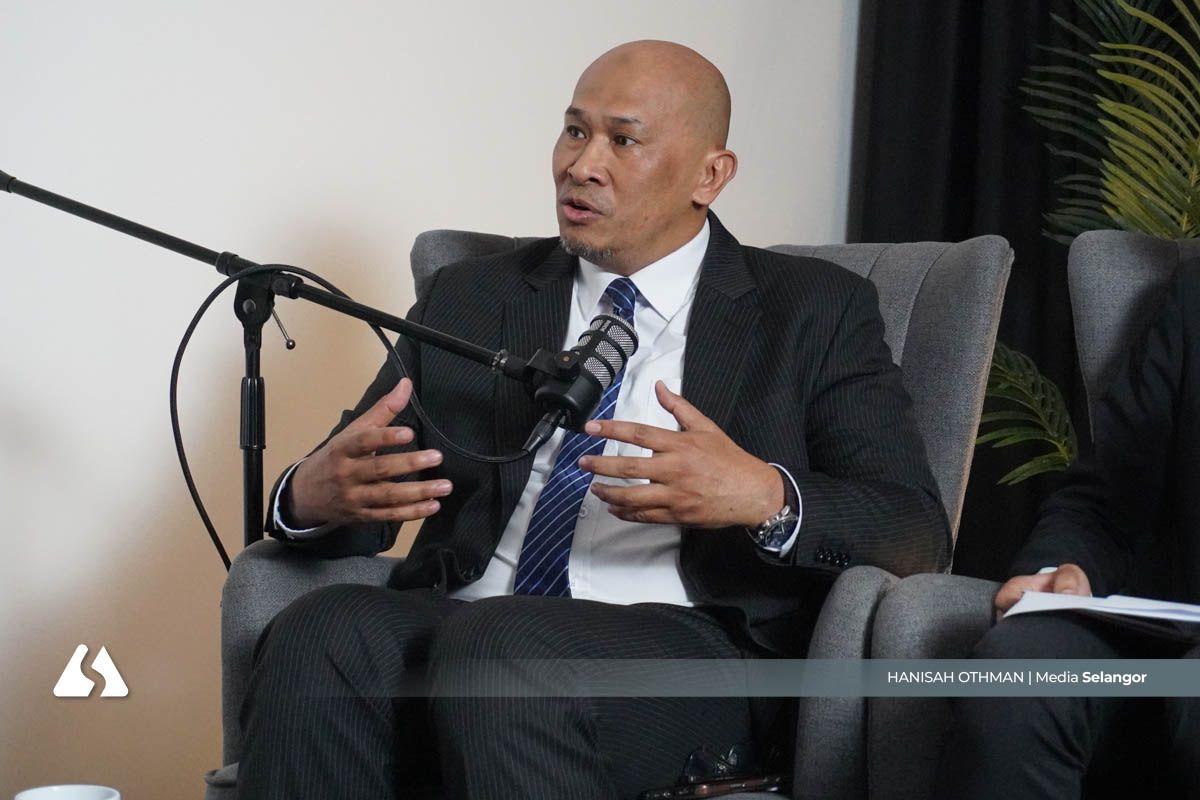
SHAH ALAM, July 23 — The First Selangor Plan (RS-1) has helped shift the state’s development approach from a project-based planning model to a more strategic and outcome-driven framework, said Bank Muamalat Malaysia Bhd chief economist Mohd Afzanizam Abdul Rashid.
He said RS-1 is a comprehensive state-level development blueprint with clear priorities and measurable targets, which allowed the Selangor government to better coordinate policies, allocate resources more effectively, and focus on future growth areas.
“In many ways, RS-1 moved Selangor away from a project-by-project approach towards a more structured and outcome-based planning framework,” he told Media Selangor recently.
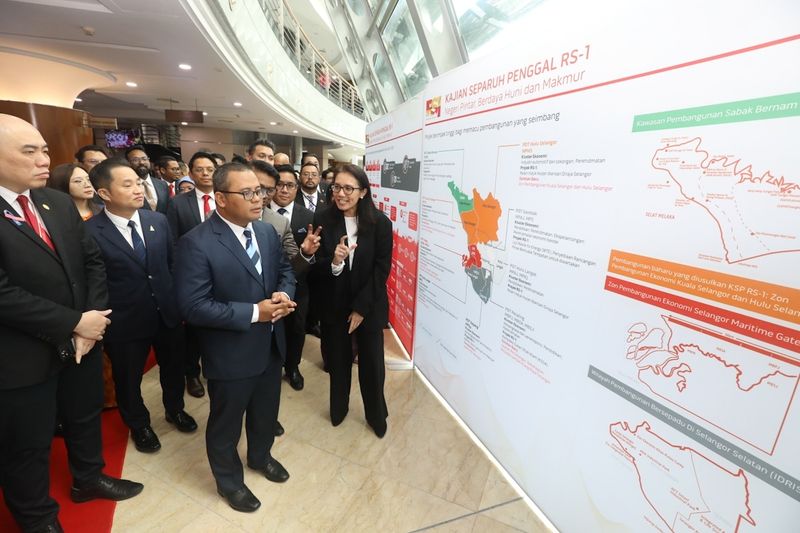
RS-1, which covers the period from 2021 to 2025, was officially launched in July 2022. It focuses on four strategic themes: strengthening the economy; ensuring social inclusivity and the people’s well-being; driving environmental sustainability; and delivering good and effective governance.
The plan also outlined 14 macro indicators, including creating employment opportunities for around 97 per cent of the state’s labour force, reducing absolute and relative poverty to 0.7 per cent and 11 per cent respectively, ensuring a daily supply of clean water, and digitalising 85 per cent of end-to-end government services.
More coordinated development
Afzanizam said RS-1 could be regarded as a success, having provided a clear direction for Selangor’s development while enabling the state to post strong economic growth despite global headwinds.
“Throughout its implementation, Selangor remained the country’s largest contributor to gross domestic product (GDP) and continued to attract investments despite challenges such as the post-pandemic recovery, geopolitical tensions and global economic uncertainties.
“While Selangor’s strong fundamentals undoubtedly supported its growth, RS-1 helped ensure that development was more coordinated, strategic and aligned with long-term priorities.”
Under RS-1, Selangor set a GDP growth target of between 6.5 per cent and 7.0 per cent for the 2021-2025 period, but outperformed expectations by recording average growth of 7.3 per cent between 2021 and 2024.
The state also recorded an average of RM66 billion in approved investments during the same period, surpassing its annual approved investment target of up to RM35 billion.
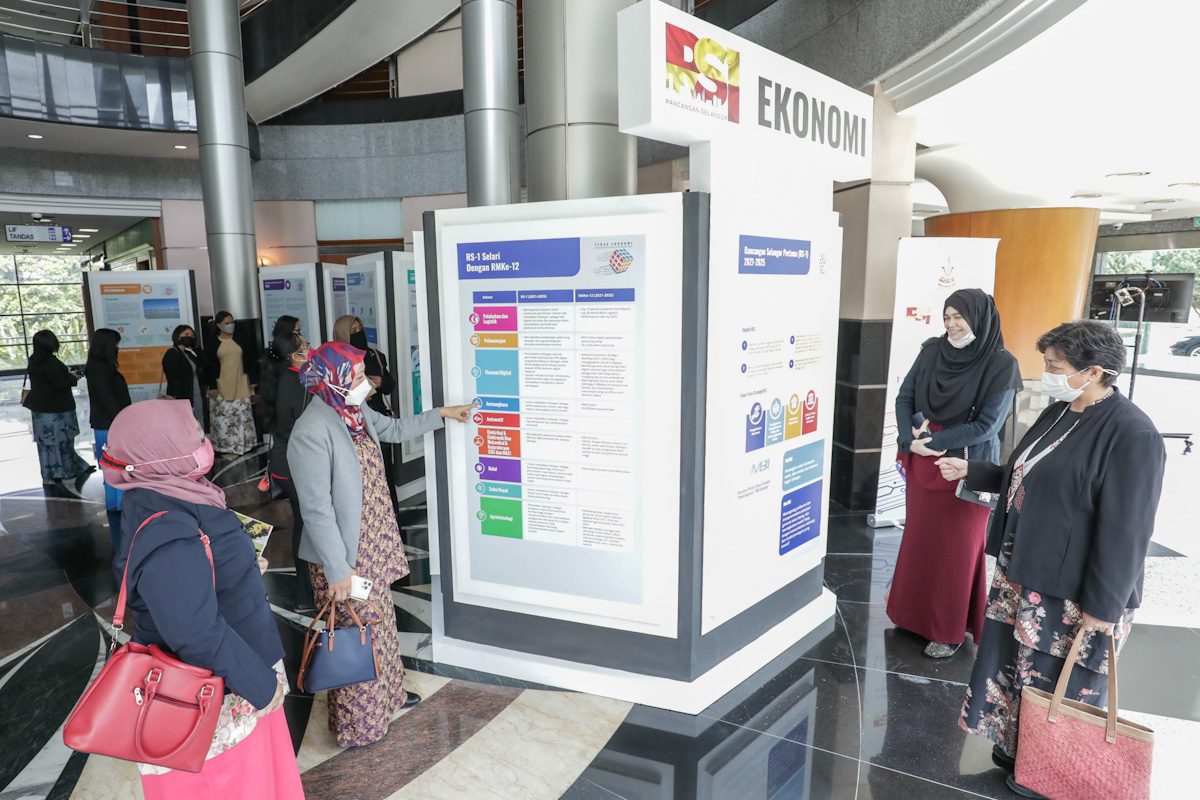
Afzanizam said the medium-term plan also enabled Selangor to focus on key sectors, including the digital economy, sustainability and high-value industries, which are crucial to long-term economic competitiveness.
However, he said effective execution would be crucial in determining the success of future development plans.
“The main lesson from RS-1 is that good planning must be matched by effective execution.
“Moving forward, the state should strengthen implementation, improve transparency and place greater emphasis on productivity, innovation and talent development.”
Afzanizam said future plans should also ensure economic growth remains inclusive and resilient to prepare Selangor for future economic shocks and uncertainties.