
Bogus “economists” who bluff their way onto TV panels and radio shows are set to be busted under a tough new law passed by Malawi’s parliament.
Fed-up MPs gave the green light to the Economics Society of Malawi (ESOMA) Bill, which will finally force anyone calling themselves an economist to prove they’re the real deal – and not just a chancer with a big vocabulary and a Facebook page.
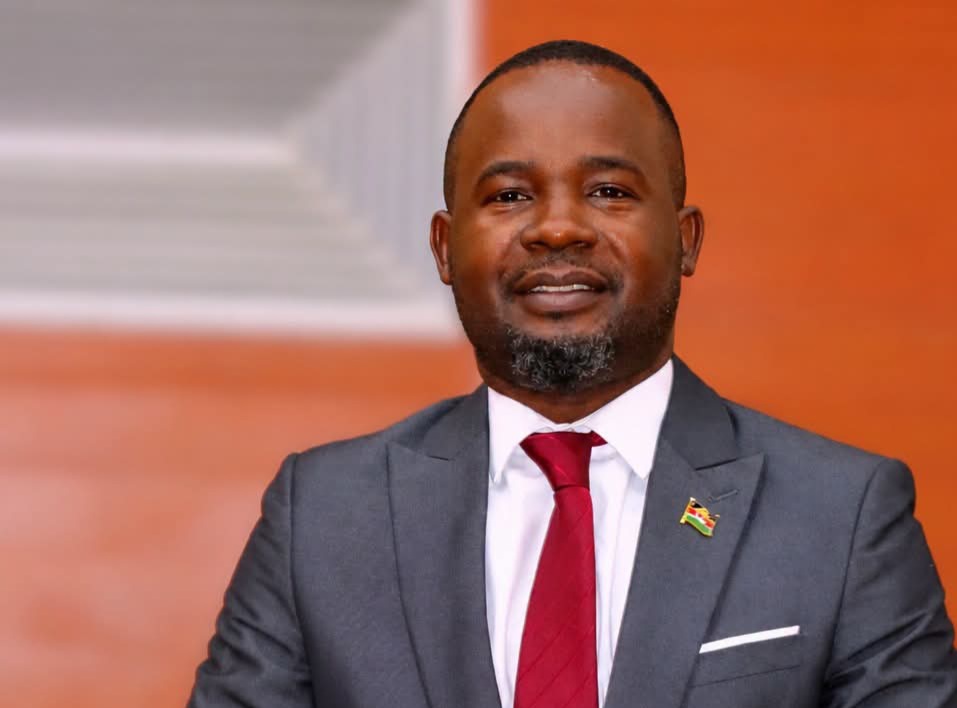
Co-Chairperson of the Joint Committees on Legal Affairs and Budget, Sosten Gwengwe, said the crackdown was long overdue, warning that impostors have been running rings around the public for years.
“Basically, we would want to guide the economy, so to speak, so that once they want to get services of somebody billed as an economist, they should be assured that that person is a member of a body that has got its own code of conduct and ethics,” he said.
He didn’t hold back on the scale of the problem. “As we speak right now, people are just coming up with a bill that ‘I’m an economist,’ maybe getting jobs in disguise and the population and the business is vulnerable to such kind of imposters,” Gwengwe fumed.
But bosses were quick to insist the crackdown won’t punish genuine graduates just starting out. Gwengwe said the committee had made sure the new licensing system won’t slam the door on youngsters fresh out of uni.
“Our universities are releasing quite a lot of graduates in both economics and applied economics,” he said. “We wanted to differentiate the licensing regime so that it should not be mandatory, but it should be optional to them.”
And taxpayers needn’t worry about picking up the tab either – Gwengwe confirmed the new watchdog will fund itself entirely through membership fees.
“ESOMA will be a self-governing institution, and they will be running their affairs mostly from the subscriptions from their members. It shouldn’t really be an institution that drains government resources,” he said.
The ESOMA Bill was passed alongside a raft of other new laws overhauling Malawi’s financial rulebook, creating a proper statutory body to police economists for the first time – upgrading the profession from ECAMA’s old voluntary trust to a legally recognised regulator with real teeth.
Finance Minister Joseph Mwanamvekha was buzzing after the vote, hailing a rare show of unity from MPs.
“I am quite happy with the overwhelming support that we have received from the August House,” he said. “Normally, it’s not easy to pass a bill, but I am quite happy that we had that overwhelming support for 12 bills.”
Four of those bills sailed through parliament in a single sitting, with three of them updating old financial laws to fall in line with the Bills of Exchange Act – officially waving goodbye to paper cheques in favour of digital payments.
Mwanamvekha said it was about time economists faced the same scrutiny as other professionals.
“Unlike the Law Society of Malawi, unlike the auditors or the accountants, I think we were not governed by any piece of legislation,” he said. “So, I feel that it’s very important that we should have this piece of legislation so that when we know that we have an economist, and when somebody is speaking as an economist, he’ll be speaking on the basis of authority.”
He also took aim at keyboard warriors flooding social media with dodgy economic takes, saying it has made it increasingly tricky for government officials to have proper, informed debates about policy.
The message from parliament is clear: chancers claiming economic expertise on the airwaves have officially been put on notice.
Follow and Subscribe Nyasa TV :