
Got story updates? Submit your updates here. ›
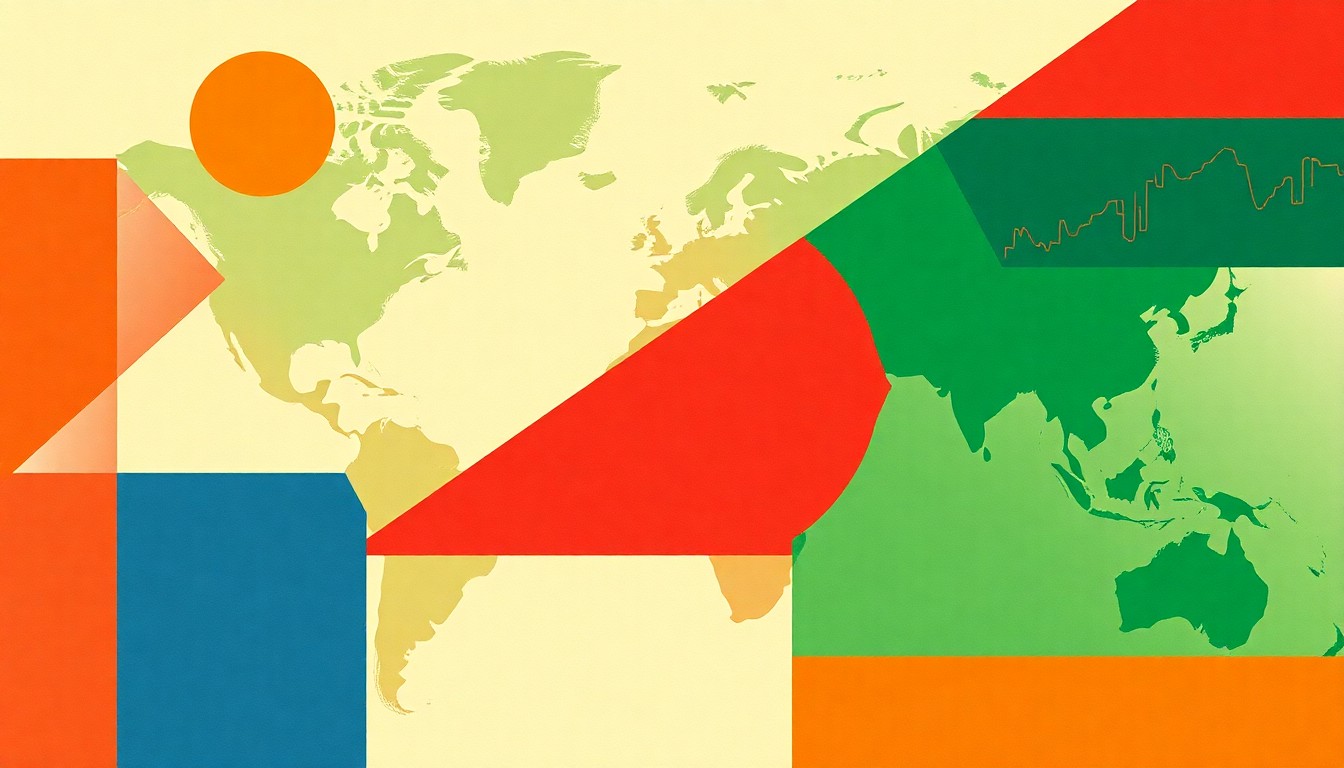 The global economy faces a perfect storm of geopolitical tensions, energy shocks, and rising inflation in the wake of the US-Israeli conflict with Iran.Washington Today
The world is facing an unprecedented economic crisis, a perfect storm of geopolitical tensions, rising inflation, and energy shocks following the US-Israeli war on Iran. This conflict has disrupted global energy supplies, causing oil and gas prices to surge and triggering broader economic turmoil that is reshaping global economic dynamics.
Why it matters
Unlike policies that can be reversed, the consequences of bombing campaigns are far more permanent, with infrastructure damage, elevated insurance premiums, and shattered confidence lingering long after the conflict ends. This crisis highlights the interconnectedness of geopolitical stability, energy security, and sustainable economic growth.
The details
The war’s impact on energy and food security has created a ‘double whammy’ for households, with living standards in wealthy nations already stagnant. While a dip in global oil prices offers some hope, prices remain higher than pre-conflict levels, underscoring the ongoing challenges. The IMF’s decision to cut growth forecasts for 2026 reflects the severity of the situation, and the organization’s call for global cooperation is a recognition that individualistic ‘go-it-alone’ actions could exacerbate the crisis.
- The US-Israeli war on Iran began in early 2026, following the Covid pandemic and Russia’s invasion of Ukraine.
- Global finance ministers and central bank governors gathered in Washington in April 2026 to discuss the economic fallout from the conflict.
The players
Kristalina Georgieva
The managing director of the International Monetary Fund (IMF), who warned against ‘go-it-alone actions’ that could exacerbate the economic crisis.
What they’re saying
“We must avoid ‘go-it-alone actions’ that could exacerbate the crisis. Global cooperation is essential to address the underlying vulnerabilities exposed by this conflict.”
— Kristalina Georgieva, Managing Director, International Monetary Fund
What’s next
The IMF and World Bank will continue to monitor the economic situation and work with global leaders to coordinate a response to the crisis. Policymakers will need to balance short-term relief measures with long-term strategies to address the underlying vulnerabilities exposed by the conflict.
The takeaway
This crisis highlights the fragility of the global economic system and the need for greater coordination and cooperation among policymakers to address the complex challenges posed by geopolitical conflicts and their far-reaching economic consequences.