
3 min readNew DelhiJun 8, 2026 05:20 AM IST
The war in West Asia is in its fourth month, with a shaky ceasefire being interrupted repeatedly. But the conflict is only the latest episode in a series of shocks the world has had to contend with over the last decade.
These shocks have come in various forms, starting with the political upheaval in the US following the election of Donald Trump for the first time in 2016 and China coming in the crosshairs of his administration. Then came the coronavirus pandemic, Russia’s invasion of Ukraine, Trump’s second term and his aggressive tariff-led trade war, and finally, the attacks on Iran by the US and Israel, and the subsequent closure of the Strait of Hormuz, which has led to what experts say is the largest energy supply shock in history. These series of events have been instrumental in shaping global capital flows.

Then there is the advent of artificial intelligence (AI), which has led to an investment boom the likes of which has never been seen before. Chip companies have been at the forefront, with money being diverted to TSMC, Nvidia, Samsung, and SK Hynix, among others. While this has propelled their share prices to eye-watering levels, it has also left countries high and dry.
For India, a net importing nation, the West Asia conflict has exacerbated an already delicate external situation. With foreign capital inflows in the form of direct and portfolio investment slowing down for some time now, the widening of the current account deficit due to tariffs and then the war has exerted tremendous pressure on the rupee — which has led to further outflows from domestic financial markets. Which has exerted even more pressure on the currency. And so on.
The government and the RBI responded emphatically last week, announcing a series of measures to boost foreign fund inflows into the debt market, with banks encouraged to take on foreign currency deposits and Public Sector Undertakings loans from abroad. All these steps are widely seen attracting more than $50 billion. But will this be enough?
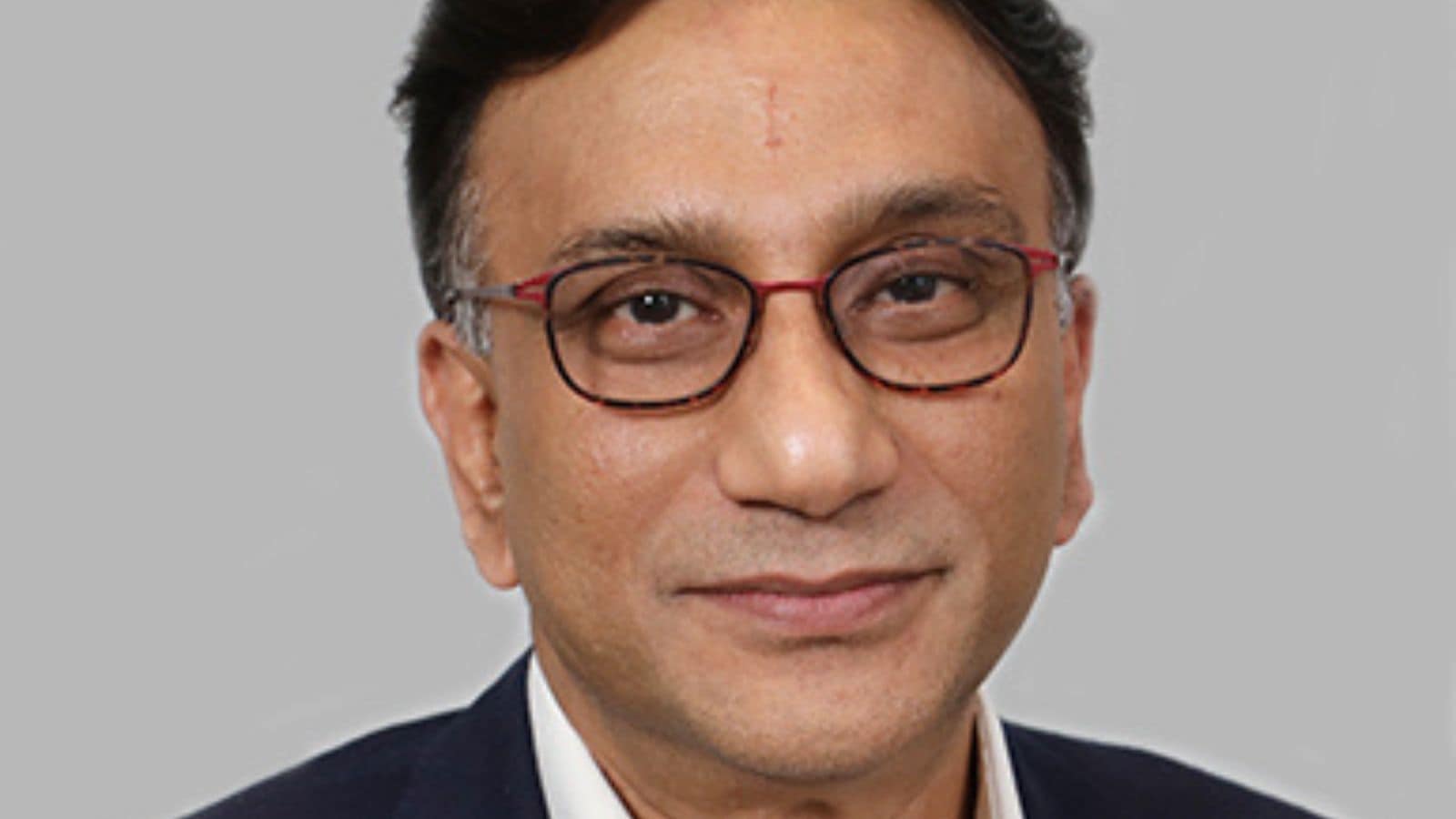
To better understand recent global economic developments as well as those on the horizon, The Indian Express has invited Jahangir Aziz, Co-Head of Macroeconomic Research at JP Morgan, for an Explained.Live session on Monday. He will be in conversation with Siddharth Upasani, Deputy Associate Editor, The Indian Express.
Aziz has spent nearly two decades at JP Morgan. Currently based in New York, he was previously the investment bank’s Head of Emerging Markets Economic Research and Chief Economist for India. Before joining JP Morgan, he was the Principal Economic Advisor in the Union government’s Ministry of Finance. Prior to that, he spent more than a decade at the International Monetary Fund, including three years as the head of the IMF’s China division. He has a PhD in Economics from University of Minnesota.