
Key Takeaways
- Accelerating wholesale inflation combined with an uptick in unemployment claims hints at risks of “stagflation” in the economy.
- The Iran war has pushed up energy prices, and those prices are feeding through to other costs paid by producers.
- Wholesale costs are a leading indicator of consumer prices, signalling that higher inflation could be in store.
Get personalized, AI-powered answers built on 27+ years of trusted expertise.
Two pieces of economic data released Thursday carried a whiff of “stagflation,” signaling that inflation could worsen and hinting at weakness in the job market.
The Producer Price Index for final demand, a measure of wholesale prices, rose 1.1% over the month and 6.5% over the 12 months ending in May, the Bureau of Labor Statistics said. That was the largest annual increase in wholesale prices since November 2022 and a warning that businesses will pass those cost increases along to consumers.
Separately, 229,000 people filed new claims for unemployment benefits last week, up 4,000 from the week before and the most since February, the Department of Labor said.
What This Means For You
Higher prices and a weakening job market would hurt living standards in two ways, by making the cost of living more expensive while restricting peoples’ ability to earn income.
Together, the reports showed a rising risk that the economy could enter a state of stagflation, or stagnant economic growth combined with high inflation. The PPI report tarnished the silver lining of Wednesday’s consumer inflation data, which showed “core” prices outside of food and energy rose less than expected in May despite accelerating overall inflation.
“Price pressures are building even with core inflation below estimates,” David Russell, global head of market strategy at TradeStation, wrote in a commentary. “Stagflation could be rearing its ugly head. Inflation is heading in the wrong direction.”
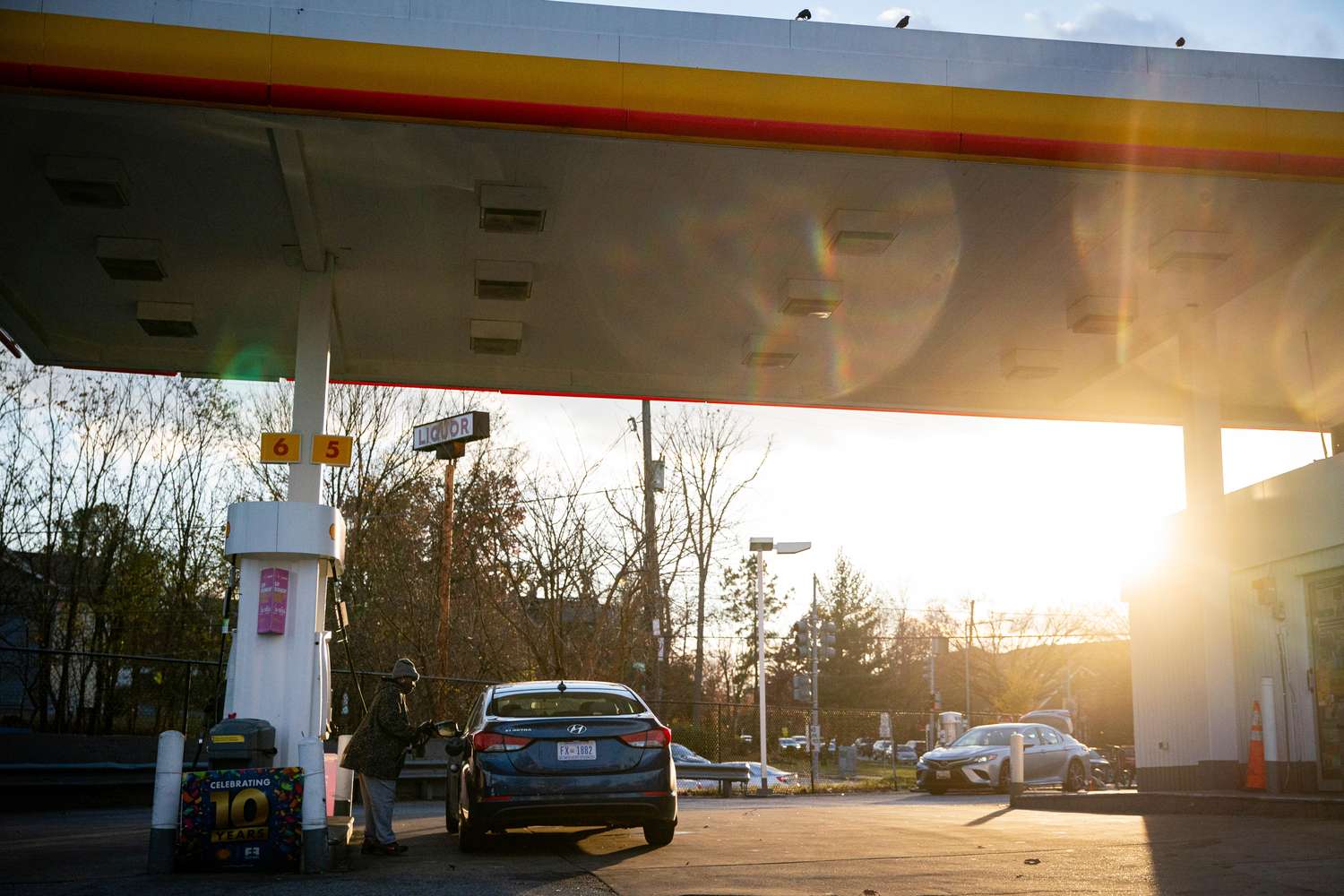
Economists pointed to the Iran war as the main reason for the data results on Thursday. As the fighting in the Middle East continues, the Strait of Hormuz is effectively closed, cutting off much of the oil supply. That is raising gas prices, which in turn pushes up the costs of items across the economy as retailers pass on increased transportation costs to consumers.
The PPI measures prices producers pay and is an imperfect but significant leading indicator of consumer prices in the months ahead. The 1.1% monthly increase in the index was higher than the 0.7% forecasters had expected, according to a survey of economists by Dow Jones Newswires and The Wall Street Journal.
The report showed wholesale price hikes were spreading beyond gasoline and diesel fuel in May, an ominous sign for the trajectory of inflation. Prices excluding volatile food, energy, and trade services rose 5.6% over the year, the largest increase since September 2022.
The rising prices could hurt the economy in some fashion, no matter how businesses choose to deal with them.
“The consequences of continued cost pressures for businesses will be a reckoning of whether those costs can be passed on to consumers, who continue to spend despite higher costs, or to find cost savings elsewhere, which implies risks for U.S. employment security,” Kurt Rankin, senior economist at PNC, wrote in a commentary.
The uptick in unemployment claims set off fewer alarm bells, but could be an early warning sign of trouble in the labor market. Low unemployment has been a bright spot for the economy over the last three months, with job creation remaining resilient.
“The big picture is that initial claims remain very low by any reasonable standard,” Oliver Allen, senior U.S. economist at Pantheon Macroeconomics, wrote in a commentary.
However, Allen said some other indicators in the labor market suggested its main challenge is slow hiring rather than mass layoffs, and that the unemployment rate could creep upwards in the coming months due to a lack of job creation.