
The climate crisis is already reshaping what grows, what fails and what families can afford to eat. At the UN desertification summit, UNCCD COP17, climate must be at the heart of decisions on land, drought and food security, writes Manuel Pulgar-Vidal, WWF’s Global Climate and Energy Lead.
Global warming, drought-induced rainfall deficits, and the effects of El Niño cause cultivated land to dry out and crack. (Thailand) Photo Credit: Blanscape/Shutterstock.com
Climate change is no longer distant. We see it in late rains, failed harvests, flooded fields, thinner herds, and higher food prices. Drought may begin with empty skies, but it quickly moves through soil, farms, markets, and family budgets.
That is why the UN Convention to Combat Desertification (UNCCD) COP17 matters. Starting on 17 August in Mongolia, the talks will focus on drought, soil, land and soil health. But the real question is whether governments can protect the land, water and food systems people depend on in a hotter, less predictable world.
Warning signs
The warning signs are obvious. Human-caused climate change is intensifying worldwide. The Intergovernmental Panel on Climate Change says these shocks are already pushing millions of people into severe food and water shortages. Those least responsible often bear the heaviest burden.
Drought is one of the clearest ways people feel climate change. It dries soil, lowers rivers, weakens pasture and makes farming more uncertain. In dry regions, one failed rainy season can trigger a food crisis. Seeds do not sprout. Crops die before harvest. Herds travel farther for grass and water. Milk production falls. Families sell animals early, skip meals or spend more on food.
The impacts do not stop at the farm gate. Failed harvests mean less food and higher prices. Heat makes food harder to store. Floods damage roads. Transport costs rise. By the time food reaches a market stall, a weather shock has become a cost-of-living shock.
Climate change is also economic policy. Food price spikes fuel inflation. Lost harvests cut rural incomes. Water shortages strain public budgets. Repeated shocks deepen poverty, force people to move, and can make communities less stable. Climate action is about keeping food systems working as weather becomes less predictable.
The scale is huge. In 2025, more than 266 million people in 47 countries and territories faced acute food insecurity, according to the 2026 Global Report on Food Crises. Climate extremes were a major driver, alongside conflict, economic shocks and displacement. UNCCD warns that up to 40% of the world’s land is degraded, putting food, water, livelihoods and economies at risk. Countries need land and water plans that build drought resilience, support climate adaptation, protect biodiversity and keep food production going.
Soil sustains life
Healthy soils sit at the heart of food systems. They support crops, livestock and ecosystems. Healthy soils help protect communities from drought and climate change. Plant-covered soils hold more water, help farmers withstand drought and store carbon. Restored watersheds, wetlands and river basins can slow floods, refill groundwater and reduce damage to communities and food production.
In a hotter, less predictable world, healthy soils and landscapes are a climate safety net: securing food, livelihoods, nature, and resilience.
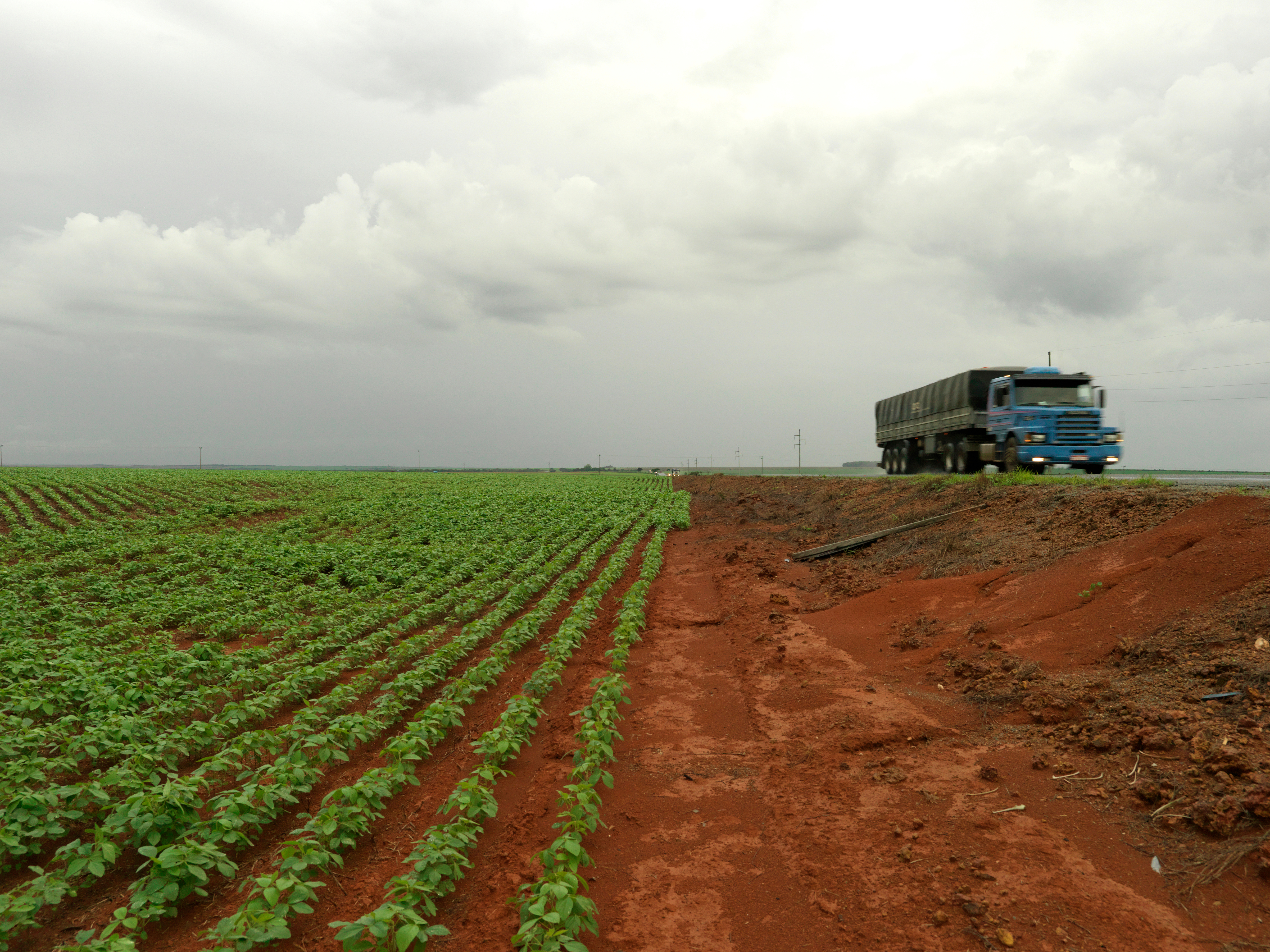
The Brazilian Savannah, or Cerrado, is disappearing faster than any other forest in the world, cleared to make way for giant industrial farms. Every year, a million hectares are converted to agricultural land, most of it to grow soy to feed pigs and chickens. Picture Credit: Peter Caton / WWF-UK
Grasslands matter
Grasslands hold much of the world’s soil and support food production, wildlife, water cycles and carbon storage. They cover more than half of the world’s land but are being converted faster than forests and remain badly degraded in many places.
Healthy grasslands and savannahs help shield communities from climate impacts, from drought to wildfire. They keep soil covered, hold water in the landscape and reduce the risk of intense fires. Well-managed grasslands tend to support low-intensity surface fires rather than destructive crown fires, helping protect land, wildlife, food systems and livelihoods.
WWF’s UNCCD COP17 expectations paper calls for stronger protection of grasslands, savannahs and rangelands. It also calls for recognition that healthy soil is vital to land restoration, and for greater support for the 500 million pastoralists who depend on these ecosystems.
Pastoralists are often seen as being on the edge of modern food systems. Many are on the front lines of climate action. Moving with herds helps them follow changing rainfall and pasture. Local knowledge helps manage scarce water and grazing pressure. With secure land rights, fair finance and a real voice in decisions, pastoralists can strengthen food systems and climate resilience.
Scaling solutions
The good news is that many solutions are ready to scale. These include keeping soils covered, restoring grasslands, repairing watersheds, harvesting rainwater and protecting wetlands. That includes nature-positive farming, rotational grazing and early warning systems that reach communities before drought becomes a disaster. Public money should shift from activities that harm land to those that protect soil, water, biodiversity and climate.
With the right policies, funding and local leadership, these steps can deliver quick wins and connect issues governments keep separate. UN Food and Agriculture Organization data shows that agri-food systems account for about one-third of human-caused greenhouse gas emissions. Nature-positive food and land management can cut emissions, help communities adapt and support nature’s recovery. This is the link UNCCD COP17 must make between land, climate, nature, water and food security.
Drought must become a political priority
The climate crisis is reaching the dinner table. It shapes which crops grow, which fail and which families can afford to eat well. At UNCCD COP17, governments can act at the source: restore land, protect water and back the communities that keep food systems going.
Drought resilience is climate action. It is food policy. It is economic policy. And in a warming world, it must be a political priority.