
Close Menu
Aspire Market Guides
  • Home
  • Alternative Investments
  • Cryptocurrency
  • Economics
  • Equity Investments
  • Mutual Funds
  • Real Estate
  • Trading
What's Hot

Minister of Finance in talks with World Bank Regional Director for Eastern Europe: Macroeconomic outlook and reform priorities on agenda

June 30, 2026

Real-utility tokens gain attention as Grayscale names potential Clarity Act beneficiaries

June 30, 2026

Why Has Hong Kong Become a Paradise for Scalpers, from The Weeknd to BTS?

June 30, 2026
Facebook X (Twitter) Instagram
Trending:
  • Minister of Finance in talks with World Bank Regional Director for Eastern Europe: Macroeconomic outlook and reform priorities on agenda
  • Real-utility tokens gain attention as Grayscale names potential Clarity Act beneficiaries
  • Why Has Hong Kong Become a Paradise for Scalpers, from The Weeknd to BTS?
  • Generation Closes $1B Sustainable Private Equity Fund
  • What Gold can teach investors about patience
  • Ripple Joins Open USD, a Stablecoin Backed by Visa, Mastercard, and BlackRock. What It Signals for XRP
  • TimesSquare U.S. Mid Cap Growth Strategy’s Q1 2026 Investor Letter
  • SEI expands transfer agency to support alternative funds By Investing.com
  • Eurazeo expands direct lending reach, private equity stock in European credit focus
  • Meme Coins vs Utility Tokens
Tuesday, June 30
Facebook X (Twitter) Instagram
Aspire Market Guides
  • Home
  • Alternative Investments
  • Cryptocurrency
  • Economics
  • Equity Investments
  • Mutual Funds
  • Real Estate
  • Trading
Aspire Market Guides
Home»Economics»From Subsidy-Driven to Market-Driven: The Next Phase of India’s EV Economy
Economics

From Subsidy-Driven to Market-Driven: The Next Phase of India’s EV Economy

By CharlotteMay 2, 20264 Mins Read
Share
Facebook Twitter Pinterest Email Copy Link


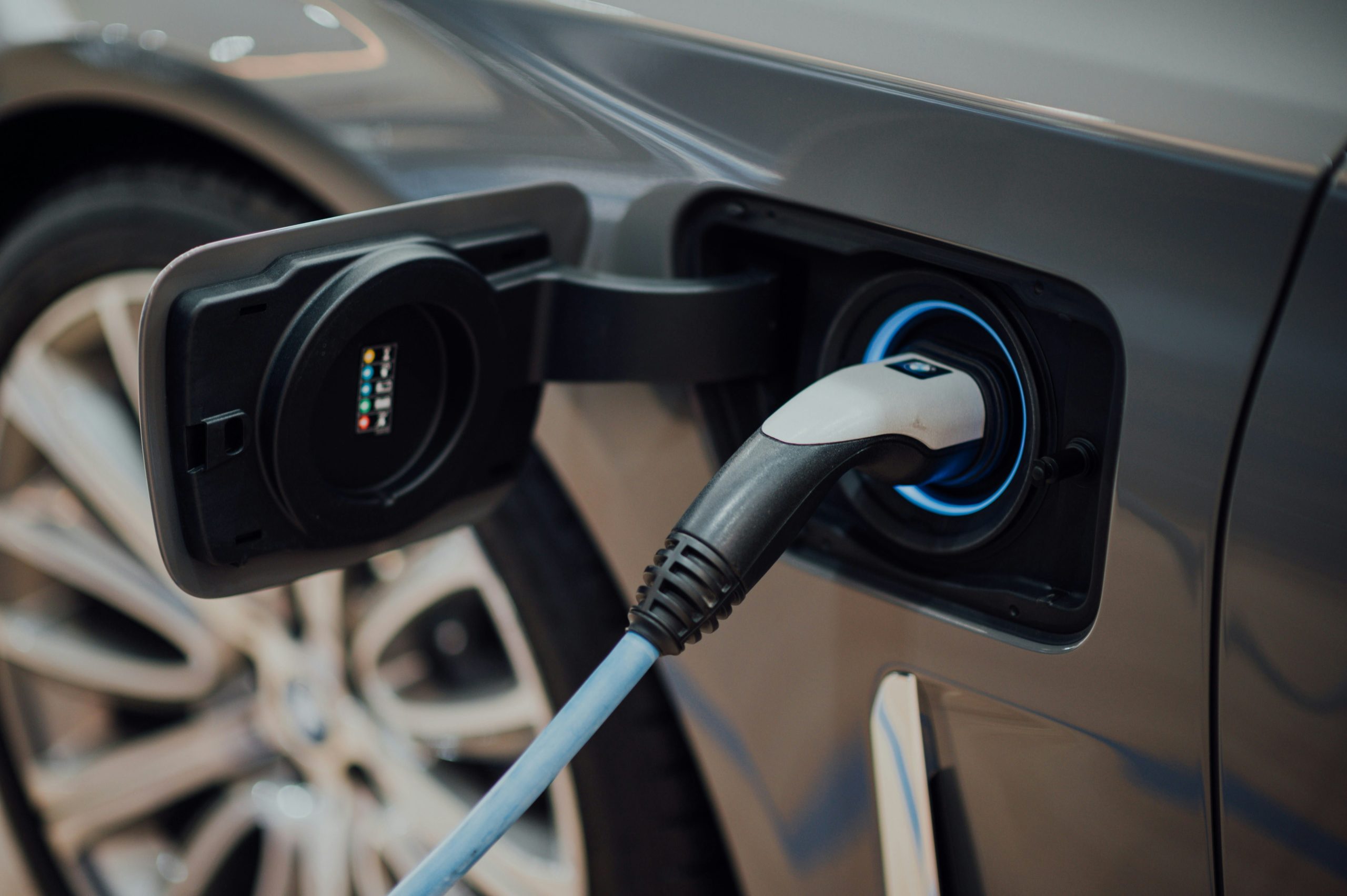
The Indian market of electric vehicles (EV) is not an experiment anymore, it is quickly turning into a business. Registration has increased 11 fold FY2020-2025 and has risen to approximately 175,000 to almost 1.9 million units per year. As the market has been projected to have a size of over 54.4 billion in 2025 and over 110.7 billion in 2029, it is no longer whether EVs will experience growth, but how this will be sustained.

The solution is in relaxation of subsidies to adoption by market forces.

Subsidies Sparked the Boom

Tax breaks as well as direct subsidies by the government were critical in breaking the barriers to early adoption. They challenged manufacturers to be innovative, fleet operators to be experimental and first movers to jump.

Subsidies however are temporary. The long-term growth will be based on them; this will mean that the market will be reliant on the policy handouts and not the actual value. The following stage of India’s EV economy will be successful not due to incentives, but due to performance, affordability and trust.

Market Forces Take the Wheel

Consumers are evolving. Subsidies encouraged early adopters, yet total cost of ownership, reliability, and convenience are the new criteria taken into consideration by mainstream buyers. Decisions made by the fleet operators are not made on incentives but on the economics of operating and environmental commitments.

The main ingredient is innovation: battery leasing, vehicle swapping, shared mobility, and high-density charging infrastructure must be the new realities in order to make EVs not only attractive without subsidies. Firms, which get these real-life problems resolved, will be on the forefront in the next decade.

Trust Drives Adoption

Interest can be obtained by means of a subsidy, but can be maintained by trust. Drivers need to be convinced that an EV will be able to provide constant performance, that they can find charging stations and have maintenance services easily.

The electrification of the fleet is not just a matter of implementation of vehicles, but of a stable operation. Adoption is determined by lived experiences rather than policy incentives by employees and corporate clients. Every successful movement generates trust, generating natural development in the ecosystem.

Lessons from Global Leaders

China and Europe are an example of how powerful market-based EV development can be. Subsidies were used to jumpstart adoption but the long run success was achieved through good infrastructure, competitive price and good network of service. Once the trust had set in, consumer adoption did not need incentives.

India must follow this path. Government policies and fleet growth will continue to be significant, yet market forces of trust, convenience, and economics will have to become the key driver of growth.

Enterprise Fleets as Catalysts.

Enterprise fleets are frequently perceived as those who have to be subsidized but in fact they can contribute to market-driven adoption. The consistent, reliable, and well-supported fleet operations affect the mobility of employees and this spill over effect reinforces consumer adoption.

Constructing a Self-Sustaining Market.

India needs four pillars to work together to have a prosperous EV economy with no subsidies.

New models of business – battery leasing, swapping and shared mobility reduce barriers.
Stable infrastructure – charging networks should be available and reliable.
Transparency – effective and understandable information on performance, cost of ownership, and environmental influence generate trust.
Service oriented towards customers – maintenance and support systems ensure that EV owning is a hassle free affair.

When all these come together, the market would be self-sustaining because it is motivated by value and experience and not incentives.

The Road Ahead

The EV path of India has been impressive: the 11 times of registration growth, the current market size of 54.4 billion, and the forecasted 110 billion in 2029. However, the true experiment is still ahead in the form of switching to a market-based ecosystem. India can develop an EV economy which is resilient, scalable and competitive across the globe by addressing the issues of trust, performance, and affordability.

It is obvious what shall happen in the future: subsidies will light the fire, market forces will inflation will stoke the flame. This is the following chapter of the EV story of India, which is part of an independent consumer-trusted system.
 

Abhinav Kalia is the Co-Founder & CEO of ARC Electric. Views expressed are the author’s personal.


Source link

Related Posts

Economics

Minister of Finance in talks with World Bank Regional Director for Eastern Europe: Macroeconomic outlook and reform priorities on agenda

June 30, 2026
Economics

Canadian economy posts stronger start to second quarter as GDP rises in April

June 30, 2026
Economics

RBI Reports 7.2% Growth and 2.8% GNPA Ratio to Bolster Macroeconomic Stability

June 30, 2026
Economics

China’s Mixed Economic Data Fuels Concerns About Recovery

June 30, 2026
Economics

Shavkat Mirziyoyev meets IMF’s Bo Li to advance macroeconomic reform co-op

June 30, 2026
Economics

From Monopoly to microeconomics: How one Malaysian lecturer turned a board game into a classroom breakthrough

June 30, 2026
Add A Comment
Leave A Reply Cancel Reply

Editors Picks

Minister of Finance in talks with World Bank Regional Director for Eastern Europe: Macroeconomic outlook and reform priorities on agenda

June 30, 2026

Real-utility tokens gain attention as Grayscale names potential Clarity Act beneficiaries

June 30, 2026

Why Has Hong Kong Become a Paradise for Scalpers, from The Weeknd to BTS?

June 30, 2026

Generation Closes $1B Sustainable Private Equity Fund

June 30, 2026
SUBSCRIBE TO OUR NEWSLETTER

Get our latest downloads and information first. Complete the form below to subscribe to our weekly newsletter.


I consent to being contacted via telephone and/or email and I consent to my data being stored in accordance with European GDPR regulations and agree to the terms of use and privacy policy.

Featured

Ethereum Co-Founder Vitalik Buterin’s Spring Cleaning: He Sold All 76 Altcoins in His Wallet

May 3, 2026

How to buy stocks: The simple & effective 3-point post-earnings check

June 7, 2026

Bitcoin ETF Outflows Hit $8 Billion: Why Institutions Are Retreating From Crypto in Summer 2026

June 23, 2026
Monthly Featured

Regal Partner’s Charlie Aitken sees one of the great long-short trades of his career

April 16, 2026

Keith MacLeod Discusses Hybrid Fund Structures and Retail Access to Private Markets with Private Equity International | News & Events

May 3, 2026

Five arrests in Mallorca in connection with a multi-million euro cryptocurrency scam

April 18, 2026
Latest Posts

Minister of Finance in talks with World Bank Regional Director for Eastern Europe: Macroeconomic outlook and reform priorities on agenda

June 30, 2026

Real-utility tokens gain attention as Grayscale names potential Clarity Act beneficiaries

June 30, 2026

Why Has Hong Kong Become a Paradise for Scalpers, from The Weeknd to BTS?

June 30, 2026
SUBSCRIBE TO OUR NEWSLETTER

Get our latest downloads and information first. Complete the form below to subscribe to our weekly newsletter.


I consent to being contacted via telephone and/or email and I consent to my data being stored in accordance with European GDPR regulations and agree to the terms of use and privacy policy.

© 2026 Aspire Market Guides.
  • Contact us
  • Privacy Policy
  • Terms and Conditions

Type above and press Enter to search. Press Esc to cancel.

SUBSCRIBE TO OUR NEWSLETTER

Get our latest downloads and information first.

Complete the form below to subscribe to our weekly newsletter.


I consent to being contacted via telephone and/or email and I consent to my data being stored in accordance with European GDPR regulations and agree to the terms of use and privacy policy.