
Prices have declined from a January peak of $5,303 per troy ounce to around $4,235, marking the lowest levels of the year even as tensions in the Middle East continue
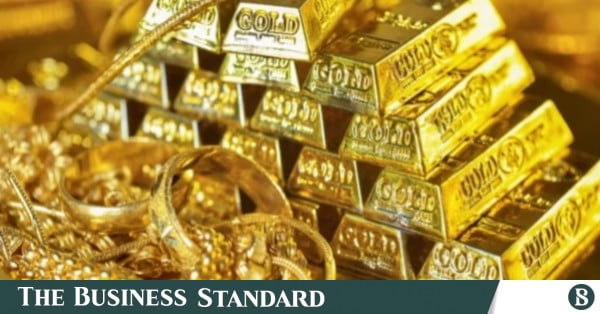
Representational Image. Photo: Collected
“>

Representational Image. Photo: Collected
Gold prices have fallen sharply in 2026 despite a major conflict involving the United States, Israel and Iran, challenging the precious metal’s traditional reputation as a safe-haven asset during periods of geopolitical turmoil.
Prices have declined from a January peak of $5,303 per troy ounce to around $4,235, marking the lowest levels of the year even as tensions in the Middle East continue, says Al Jazeera.
Why is gold usually considered a safe-haven asset?

Investors often buy gold during periods of economic uncertainty, geopolitical conflict or inflation because it is viewed as a store of value that can preserve wealth when other assets come under pressure.
However, gold’s performance can also be influenced by factors such as interest rates and the strength of the US dollar.
How has the conflict affected the economy?
The current economic environment has been shaped by the US-Israel war against Iran, which began in late February.
Iran’s response has included blocking the Strait of Hormuz, a key route for global oil and gas shipments. The disruption has driven energy prices higher and pushed US inflation to a three-year high of 4.2%.
Why has higher inflation not helped gold?
Although gold is often used as a hedge against inflation, investors are increasingly focused on the possibility of higher interest rates.
Gold is a non-yielding asset, meaning it does not pay interest or dividends. Investors earn returns only if its price rises.
When interest rates increase, assets that generate income become more attractive relative to gold. As a result, demand for the metal can weaken even during periods of elevated inflation.
What has changed in interest rate expectations?
Earlier in 2026, financial markets expected interest rate cuts.
Those expectations have shifted as inflation has remained elevated and the labour market has stayed resilient. Investors now see a 50% probability that interest rates could be raised by December.
The prospect of tighter monetary policy has increased pressure on gold prices.
What role does the US dollar play?
The conflict has strengthened the US dollar, creating another headwind for gold.
Because gold is priced in dollars, a stronger US currency makes the metal more expensive for buyers using other currencies. This can reduce demand and weigh on prices.
Analysts describe the current dynamic as a balance between inflation, which would normally support gold, and rising interest-rate expectations, which are currently exerting greater influence on the market.
What is the outlook for gold?
Gold prices have recovered slightly following reports of a potential agreement between the United States and Iran.
Market participants say a ceasefire could help ease inflationary pressures by reducing disruptions to energy markets. However, gold may continue to face challenges in the coming months as central banks respond to the recent surge in inflation and investors assess the future path of interest rates.