
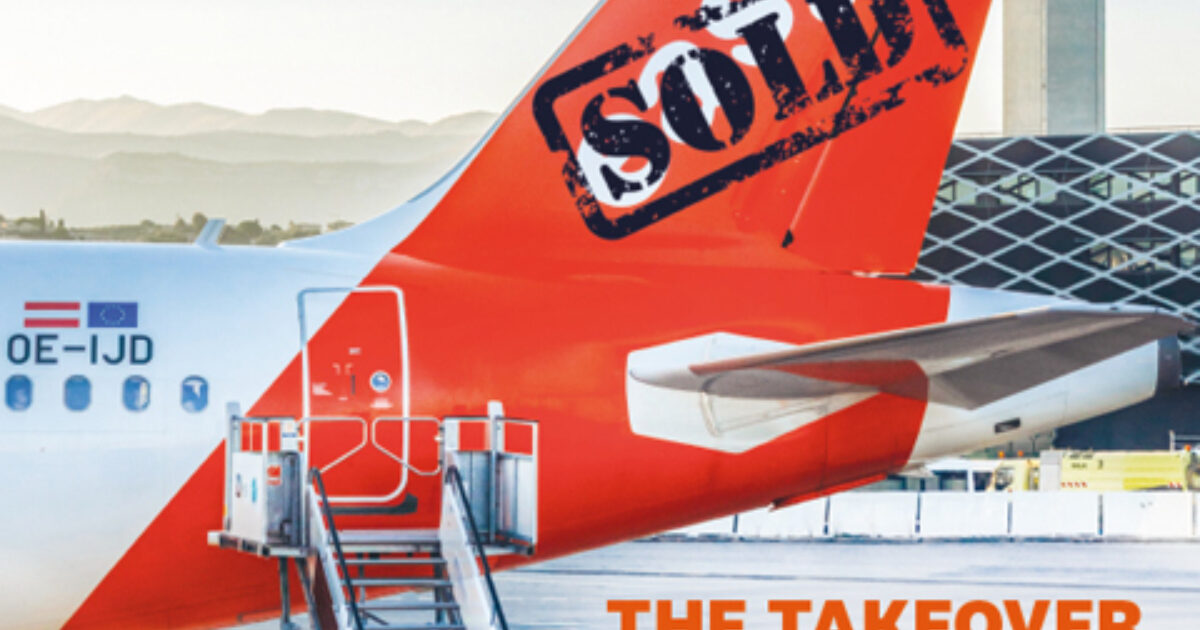
The recent acquisition of easyJet by Apollo Global Management signals a structural transition within the
European aviation market. The entry of major private equity into a tier-one low-cost carrier (LCC) establishes a definitive precedent, shifting the financial architecture of the sector away from public market dependency.
Historically, the relationship between private equity and low-cost aviation has been categorised by portfolio models, most notably Indigo Partners’ investments in Wizz Air, Frontier Airlines and Volaris. Apollo’s move on easyJet, however, represents a different strategy: the acquisition of a mature, incumbent network rather than a pure-play growth vehicle. This transaction is catalysed by current macroeconomic and supply chain
environments.
With Airbus A320neo family delivery delays and ongoing Pratt & Whitney GTF engine inspection programmes restricting capacity, public market valuations of LCCs have been temporarily suppressed.
Private equity firms currently identify these carriers as undervalued assets with strong intrinsic cash-flow generation and significant unrecognised value in their existing slot portfolios at constrained airports such as
London Gatwick and Paris Charles de Gaulle.
The operational trajectory under private equity ownership typically focuses on stringent cost rationalisation and fleet optimisation. For easyJet, the immediate likely path is an acceleration of sale-and leaseback (SLB) transactions, leveraging the carrier’s unencumbered aircraft to release capital.