
3 min readNew DelhiMay 17, 2026 05:21 AM IST
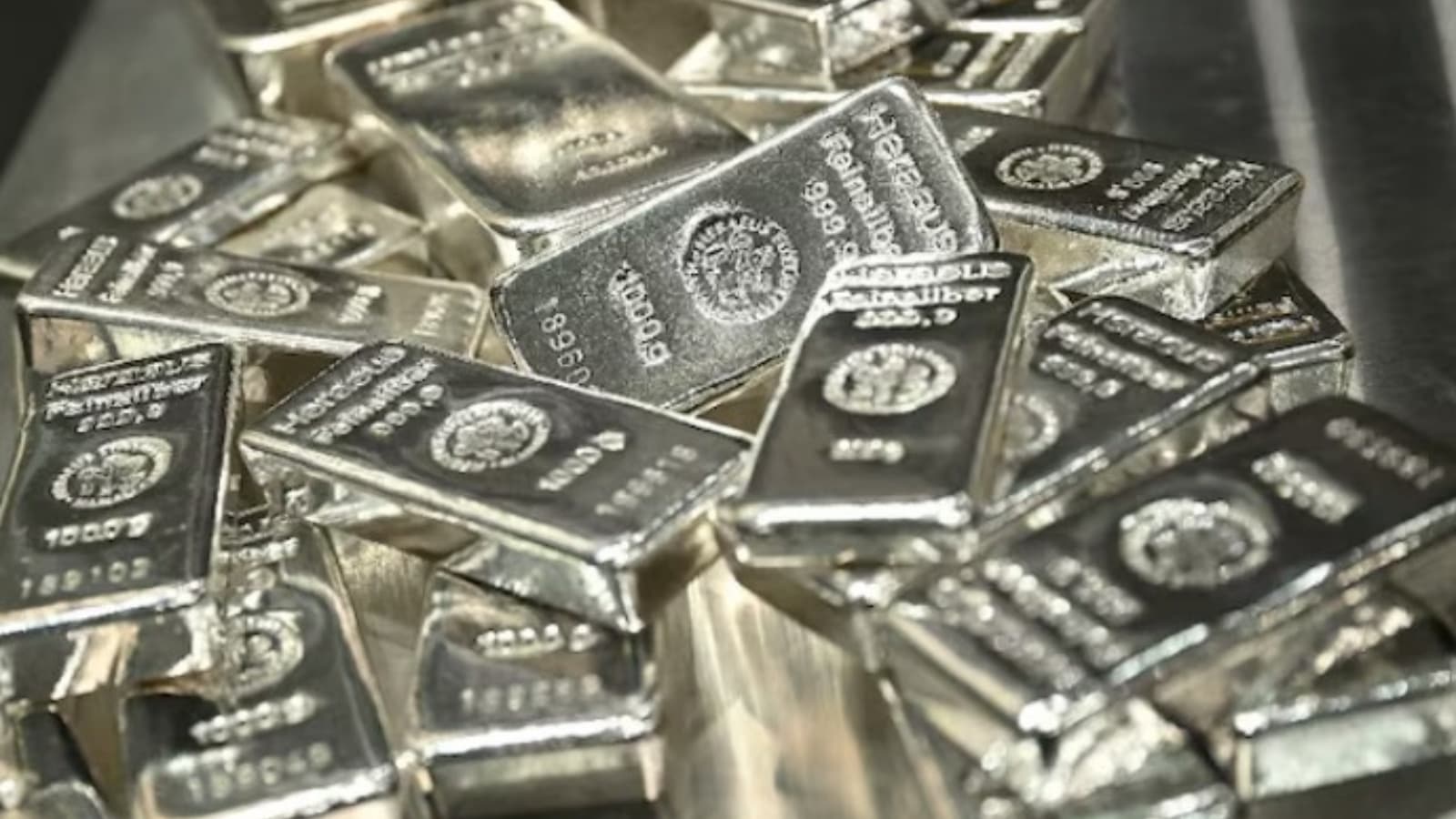
The government on Saturday put silver imports for domestic consumption under the restricted category, requiring prior government approval.
This follows a series of steps taken over the last few days to discourage precious metal imports, which strain the current account and increase forex outflow due to high global prices.

On Wednesday, the government raised the customs duty on imports of gold and silver to 15% from 6%, and on platinum to 15.4% from 6.4% to moderate these non-essential imports amidst the West Asia crisis.
A day later, it put a quantitative limit of 100 kg on the import of the yellow metal under a key export scheme to curb misuse of the duty-free import facility for value-added exports.
As per a Directorate General of Foreign Trade (DGFT) notification, imports of bars containing silver up to 99% would now be in the restricted category if it is meant for domestic consumption.
However, silver imported for processing and value-added exports as jewellery would continue to be unrestricted.
Imports by 100% export-oriented units and units located in Special Economic Zones (SEZs) shall also not be subject to any restrictions provided the imported goods are not sold in the domestic tariff area. Rising imports of gold and silver amidst their rising prices in the past one year have been a cause of concern. With the onset of war in West Asia from February 28, the government has taken steps over the past week to curb imports and conserve foreign exchange in an uncertain global atmosphere.
Story continues below this ad
In 2025-26, silver imports increased by 150% to $12.05 billion. In volume terms, however, the increase was only 42%, reaching 7,334 tonnes. International prices of the metal rose 74% in the year.
Similarly, gold imports increased 24% to $71.98 billion in the last financial year. This occurred despite a 4.7% drop in gold import volume to 721 tonnes, as international gold prices increased by 30% during the year.
The demand for these metals remained robust even in April with gold imports increasing 81.7% on year to $5.6 billion while silver imports increased 157% to $411 million.
As a large importer of crude oil, India remains vulnerable to elevated energy prices and supply-side disruptions, which can increase the import bill, exert pressure on inflation, and the current account deficit, officials said at the time of the duty hike on gold and silver last week. “In such circumstances, prudent management of the country’s external sector becomes essential,” an official had said. Officials said precious metals, while culturally and financially significant, are “predominantly consumption and investment driven” in nature and that such imports involve “substantial outflow of foreign exchange”.
Story continues below this ad
A depreciating rupee is adding to the country’s import bill burden. India’s foreign exchange resources, therefore, must be prioritised towards essential imports such as crude oil, fertilisers, industrial raw materials, defence requirements, critical technologies, and capital goods, the official had said. Over the last few years, India has seen significant foreign exchange outflows on account of higher imports of precious metals and spending on overseas travel under the Liberalised Remittance Scheme (LRS).
The pressure on India’s external sector has been felt amid the ongoing West Asia war, with forex reserves plummeting by $32 billion in 10 weeks since the onset of the conflict, and crude oil prices continuing to hover above $100 a barrel. With FE
© The Indian Express Pvt Ltd