
Digital credential formats are on the verge of being sucked into a global debate over the nature of sovereignty with strangely significant implications for the biometrics and digital identity markets.
Pressure to migrate from physical ID documents to digital credentials continues to mount, with IDScan’s confirmation that it lost 170 million identity documents, including 153 million driver’s license scans, in a data breach. The incident comes amid a broader push in the U.S. towards replacing ID document scans with cryptographic verifiability and continuous trust. To that end, everyone from Congress to NIST to the FSSCC is trying to boost America’s adoption of mobile driver’s licenses.
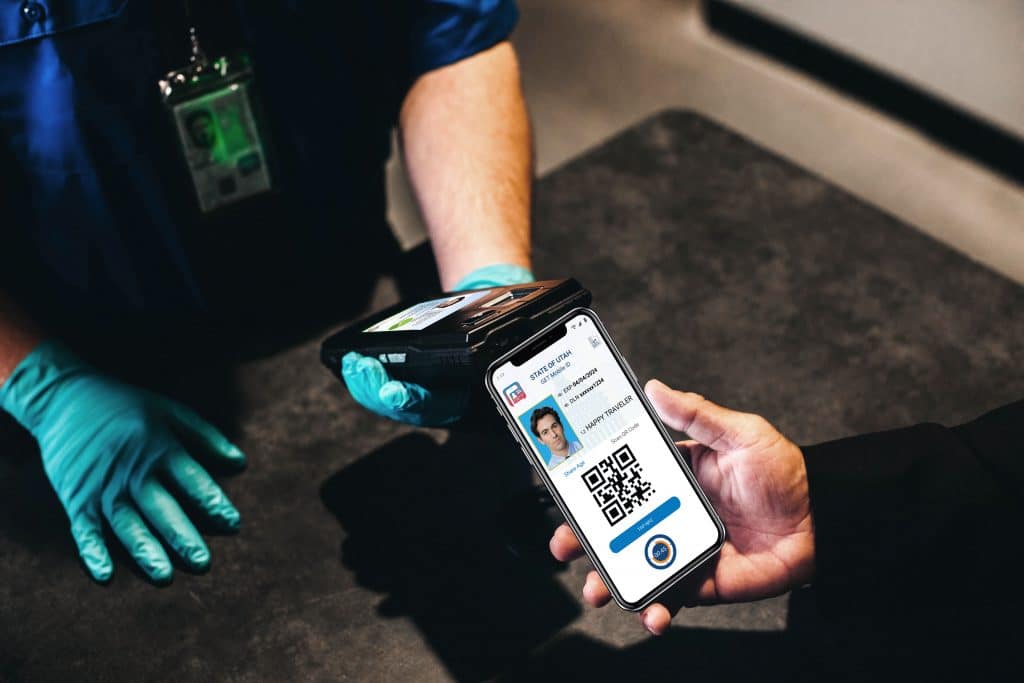
But mDLs use the mDoc format specified in ISO/IEC 18013.
EUDI Wallets use W3C Verifiable Credentials, and other countries like Thailand are following a similar path towards digital IDs taking the form of VCs in digital wallets.
This is not necessarily a problem, but it is intersecting with a growing emphasis on data sovereignty in national ID plans.
From digital wallets to the national data center
The infrastructure WIOCC Group is planning to build out across Africa with $300 million in new funding includes data centers, and it is not alone. Part of the motivation is that infrastructure is a bottleneck for digital identity and the broader economy. Part of the motivation is about data security.
Zambia’s launch of its national PKI system adds to a growing trend of authorities across the continent taking control of the cryptographic trust layer as part of the broader sovereign DPI push.
Bangladesh has budgeted $748 million for its digital IDs. The government will issue digital wallets to store “One-IDs,” but has yet to confirm what format the digital IDs will take.
And countries differ widely in terms of what “digital sovereignty” means to them, practically.
Myanmar is working towards a tender for a pilot which would involve issuing physical IDs. But the system being built from the ground up, starting with the La Min biometrics enrollment campaign, will eventually include a digital wallet, likely based on MOSIP’s Inji, which also uses VCs.
Sovereignty concerns also contribute to interest in open-source technologies such as MOSIP, which has now been used to generate more than 200 million IDs around the world.
Adoption and entrenchment
U.S. federal regulator FinCEN has issued new guidance clarifying that “verifiable digital credentials” in the form of mDLs count as “government-issued identification” for the purposes of KYC checks by banks. Qualifying credentials to meet CIP rule requirements must include cryptographic protections.
Meanwhile in France, Procivis has qualified as an issuer and verifier for the country’s EUDI Wallet market with a France Identité listing. Preparations for the continental digital identity ecosystem are giving rise to varied implementation models and market opportunities, but all dominated by local players.
Fragmentation appears to be expanding further into the infrastructure market in the name of sovereignty as well, with European countries finding clashes between data regulations and the U.S. Cloud Act.
It remains to be seen if infrastructure sovereignty concerns will significantly influence the uptake of different digital credential formats. But the market-warping effects of the two factors appear to be intersecting.
Please let us know if you come across any podcasts, thought leadership articles or other content that deserves to be shared with the people in biometrics and the digital identity community. Use the comments below or the social media links above.
Article Topics
biometrics | digital ID | digital identity | digital sovereignty | week in review