
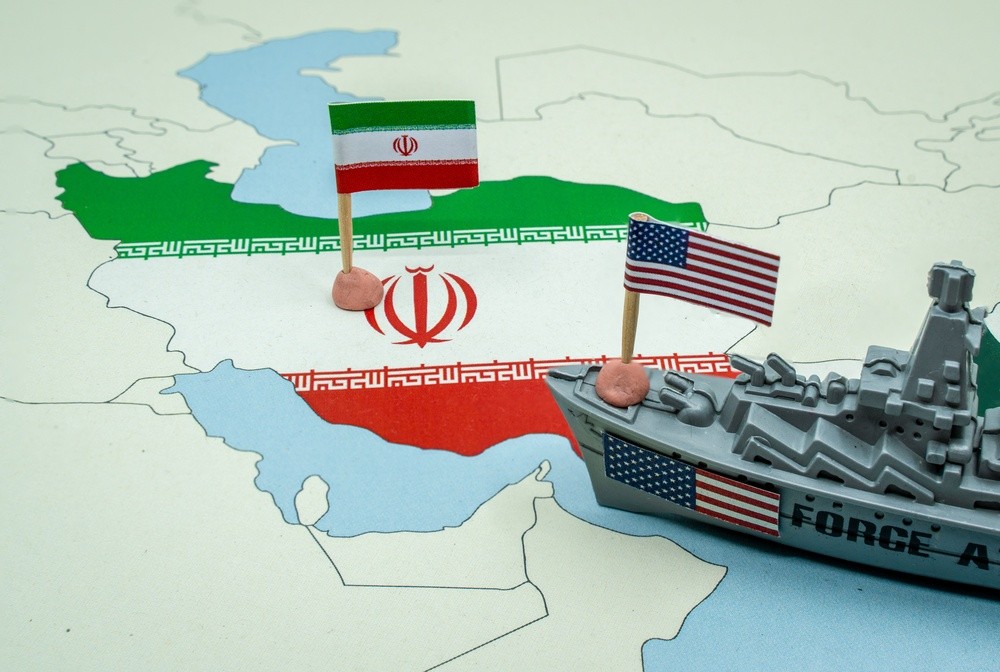
TradingKey – On May 29, Eastern Time, U.S. President Trump held a meeting of approximately two hours with his national security team in the White House Situation Room to discuss whether to approve an interim agreement related to Iran, but no final decision was announced after the meeting. The agreement aims to extend the fragile ceasefire between the U.S. and Iran for 60 days and pave the way for restarting Iranian nuclear negotiations and reopening the Strait of Hormuz.
It is reported that U.S. and Iranian negotiators had previously reached a preliminary framework for a memorandum of understanding, but it still requires Trump’s final approval. Trump stated before the meeting that Iran must pledge to “never possess nuclear weapons,” the Strait of Hormuz must be immediately opened to international shipping without transit fees, and Iran must clear residual mines in the strait. For its part, the United States will gradually lift the blockade of Iranian ports and consider easing some sanctions to allow Iran to expand its oil exports.
However, key differences remain unresolved. A spokesperson for the Iranian Foreign Ministry stated that the agreement has not yet been finalized, and Iran’s current focus is on ending the war rather than discussing nuclear program details. Iran also hopes that any agreement will cover ceasefire arrangements between Israel and Hezbollah in Lebanon and involve the release of frozen funds. U.S. officials emphasized that Trump will only sign an agreement that meets his “red lines” and can limit Iran’s nuclear ambitions.
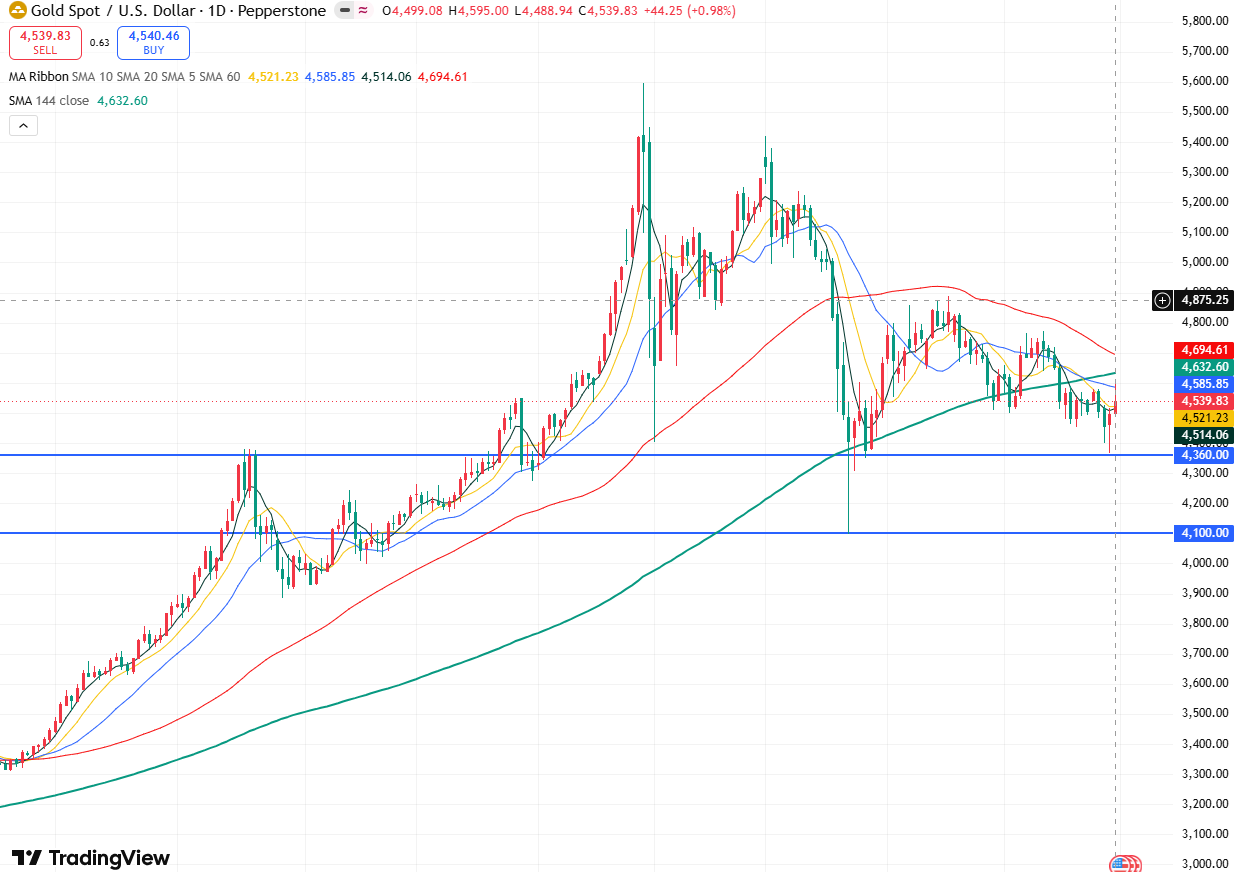
Following Iran’s remarks, spot gold, which had briefly rebounded strongly to just under $4,600 ( XAUUSD) prices fell back rapidly by more than $50; as of Friday’s close, the gold price was quoted at $4,539.83, showing that uncertainty over the U.S.-Iran negotiations continues to dominate market trends.
Gold Price Daily Chart, Source: TradingView
However, the U.S. stock market reflected that investors still hold on to the possibility that a U.S.-Iran agreement will be reached. At Friday’s close, the Dow rose 0.7% to 51,032.65, the S&P 500 gained 0.2% to 7,581.65, and the Nasdaq climbed 0.2% to 26,972.62, with all three major indices hitting record highs. U.S. stocks extended their winning streak to nine consecutive weeks this week, as the strong performance of AI hardware stocks and expectations of easing Middle East risks jointly supported risk appetite.

Performance of the three major U.S. stock indices, Source: TradingView
The reaction in the crude oil market was the most direct. Driven by expectations of a U.S.-Iran agreement, Brent crude fell 2.7% to $91.33 per barrel, while WTI crude ( USOIL) fell 0.87% to $87.75 per barrel. Since the blockage of the Strait of Hormuz, oil prices have remained above the pre-war level of approximately $70 per barrel, but have pulled back significantly this month on expectations of a ceasefire extension and the reopening of the strait, with Brent crude’s decline in May exceeding 19%.
Analysts believe that Trump’s delay in making a final decision means the agreement is still in a highly sensitive stage of being close to completion but not yet finalized. If the agreement is approved, oil prices and global inflation expectations are expected to cool further and boost sentiment for risk assets; however, if negotiations break down again, the risk to navigation in the Strait of Hormuz could push crude oil prices back up and exacerbate market concerns over inflation.