
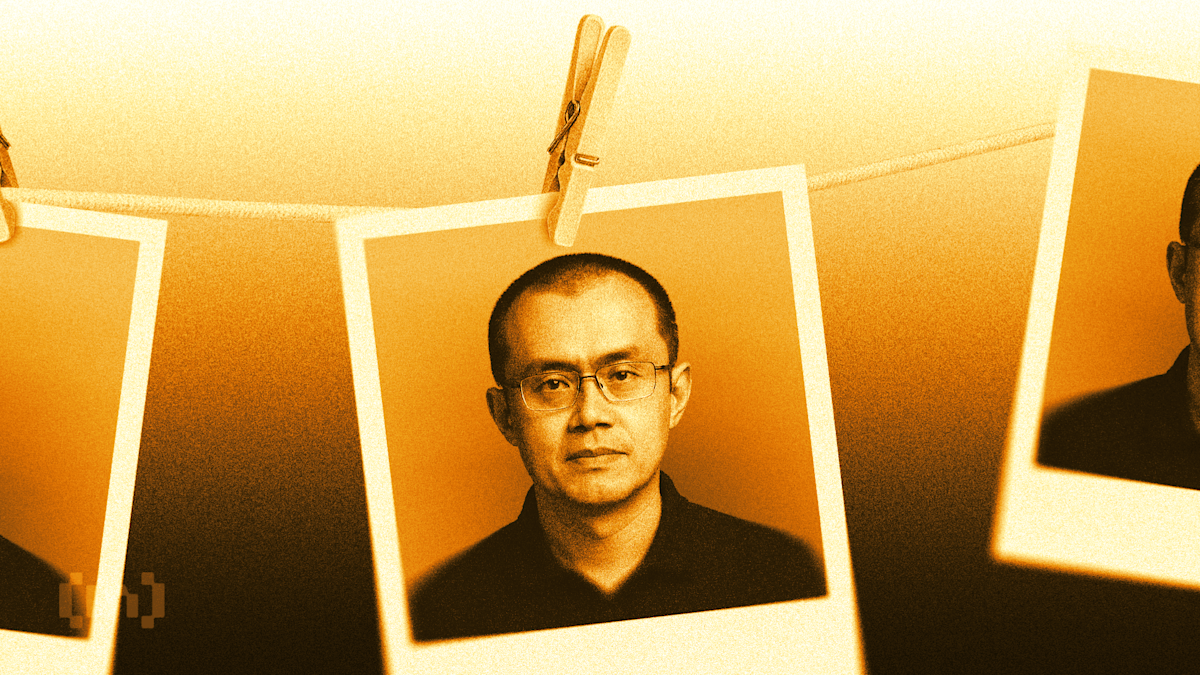
Binance founder Changpeng Zhao (CZ) floated freezing Satoshi’s Bitcoin and other dormant, quantum-vulnerable coins if they stay unmoved after a future network upgrade. He raised it as a question for the community, not a personal plan.
The Binance executive shared the idea on the Galaxy Brains podcast with Galaxy Research head Alex Thorn. He has since pushed back on reports that he would personally freeze Satoshi Nakamoto’s address for a year.
Is Freezing Satoshi’s Bitcoin a Good Idea?
The debate grew louder in March, when Google Quantum AI published research on breaking the cryptography that secures digital signatures.
Its team estimated an attack could need fewer than 500,000 qubits and run in minutes, well below earlier projections.
The risk sits in exposed keys. A quantum computer could derive private keys from public keys, then drain the wallets they protect.
The fix is to adopt quantum-resistant cryptography, yet coordinating that across the network takes years.
More than a third of all Bitcoin had revealed a public key on-chain by March. That leaves them in addresses vulnerable to quantum theft.
Satoshi Nakamoto mined an estimated 1.1 million BTC in 2009 and 2010. That estimate rests on the Patoshi pattern traced by researcher Sergio Demian Lerner.

At Bitcoin’s current market price near $63,244, that hoard is worth roughly $70 billion.
What CZ Actually Said
Zhao did not call for a seizure, nor did he say Binance would act. He put the decision to the community, asking why it should not set a roughly 1-year timeline.
Coins left in vulnerable addresses after that point would be locked in by a fork.
CZ said the popular take that he would personally freeze Satoshi’s address was not quite right. He also flagged a snag, that telling Satoshi’s wallets apart from other early miners is hard.
Zhao has urged calm on quantum risk before.
His thinking aligns with BIP-361, a draft by Jameson Lopp and five other researchers. It would block sends to vulnerable addresses about three years after activation, then void legacy signatures two years later.
The authors frame a blunt choice. A quantum thief could grab the exposed coins, or miners could slowly recover them. The network could instead lock them so no one wins.