
Close Menu
Aspire Market Guides
  • Home
  • Alternative Investments
  • Cryptocurrency
  • Economics
  • Equity Investments
  • Mutual Funds
  • Real Estate
  • Trading
What's Hot

Long-Term Impact of AI Deployment

September 16, 2026

Cashu Research Initiates Coverage on K2 Gold Corporation

September 16, 2026

UK qualifying stablecoin transfers get dealer carve-out

September 16, 2026
Facebook X (Twitter) Instagram
Trending:
  • Long-Term Impact of AI Deployment
  • Cashu Research Initiates Coverage on K2 Gold Corporation
  • UK qualifying stablecoin transfers get dealer carve-out
  • Jobless Man in 30s Buys Apartment with Scalped Tickets… Panics and Tries to Erase Evidence After News Report
  • Survey: Limited Partner Interest in Alternatives Hits 5-Year High, Fund Managers Back in Favor
  • EIV Capital Adds Kristin Kelly as Partner
  • Crypto prices tumble as Senate blocks Clarity Act amid concerns over Trump family’s crypto ties
  • AI to reshape content economics, not replace creators: Vijay Subramaniam
  • Navigator Global Investments (ASX:NGI): Alternative Investment Platform Update
  • 3 Great Mutual Fund Picks for Your Retirement
Wednesday, September 16
Facebook X (Twitter) Instagram
Aspire Market Guides
  • Home
  • Alternative Investments
  • Cryptocurrency
  • Economics
  • Equity Investments
  • Mutual Funds
  • Real Estate
  • Trading
Aspire Market Guides
Home»Economics»Elon Musk says government checks for all wouldn’t spike inflation. Economist Steve Hanke says that’s not guaranteed.
Economics

Elon Musk says government checks for all wouldn’t spike inflation. Economist Steve Hanke says that’s not guaranteed.

By CharlotteApril 24, 20263 Mins Read
Share
Facebook Twitter Pinterest Email Copy Link


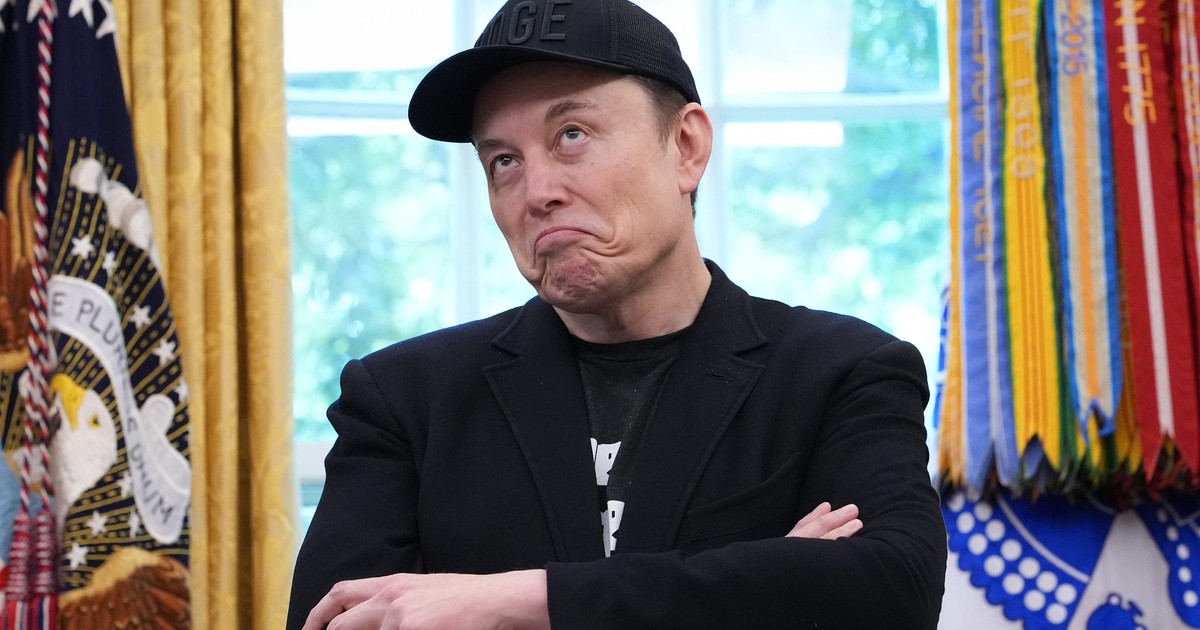
The Tesla and SpaceX CEO headed off concerns that doling out big checks would drive up prices: “AI/robotics will produce goods & services far in excess of the increase in the money supply, so there will not be inflation.”


In other words, Musk believes that AI and robotics will supercharge production and push down prices, offsetting the inflationary impact of the government boosting the money supply when it pays large incomes to all.


Steve Hanke a professor of applied economics at Johns Hopkins known as the “Money Doctor” because of his experience helping governments solve inflation and currency crises told Business Insider that Musk has a point.


“By applying the quantity theory of money, Musk’s conjecture, as far as it goes, would be true,” Hanke said, referring to the idea that the general price level of goods and services in an economy is directly proportional to the amount of money in circulation.


“Indeed, it would not result in inflation, but in deflation,” Hanke continued. “But that is not the end of the story.”


The former economic advisor to President Ronald Reagan noted that between 1866 and 1897, the US saw “a boom in productivity, strong economic growth, and a secular deflation.”


Yet between 1897 and 1914, the nation experienced an economic boom and inflation, showing that rates of growth and price change have been “independent of each other” in the past, Hanke said.


That means there’s no guarantee an AI-fueled boom in growth and productivity wouldn’t be accompanied by inflation.


Steve Hanke is a professor of applied economics at Johns Hopkins University.Steve Hanke


Men in white coats


Hanke told Business Insider that many of Musk’s predictions about aging he labeled it a “very solvable problem” in Davos this year and advances in AI and productivity would sound crazy from someone less successful.


Those comments, if “uttered by anyone less than the world’s richest man, would generate calls to bring in the men in white coats,” Hanke said.


“Don’t worry about squirreling money away for retirement in 10 or 20 years,” Musk said on a podcast episode released in January. “If any of the things that we’ve said are true, saving for retirement will be irrelevant.”


Hanke recently highlighted just how far the world is from Musk’s grand vision by publishing Hanke’s Annual Misery Index (HAMI).


The index measures “misery” by factoring in a country’s unemployment, inflation, interest rates, and real GDP per capita.


The US ranked 119th out of 178 countries, making it less miserable than Norway or Australia, but more miserable than Cameroon or Taiwan, the happiest place on the list.


Source link

Related Posts

Economics

Long-Term Impact of AI Deployment

September 16, 2026
Economics

AI to reshape content economics, not replace creators: Vijay Subramaniam

September 16, 2026
Economics

The Economy Of Philippines

September 16, 2026
Economics

The economics of Atonement | Israel National News

September 16, 2026
Economics

The world’s top-performing cities in 2026

September 16, 2026
Economics

‘Ethics’, Not Economics, Sink the CLARITY Act in the Senate

September 16, 2026
Add A Comment
Leave A Reply Cancel Reply

Editors Picks

Long-Term Impact of AI Deployment

September 16, 2026

Cashu Research Initiates Coverage on K2 Gold Corporation

September 16, 2026

UK qualifying stablecoin transfers get dealer carve-out

September 16, 2026

Jobless Man in 30s Buys Apartment with Scalped Tickets… Panics and Tries to Erase Evidence After News Report

September 16, 2026
SUBSCRIBE TO OUR NEWSLETTER

Get our latest downloads and information first. Complete the form below to subscribe to our weekly newsletter.


I consent to being contacted via telephone and/or email and I consent to my data being stored in accordance with European GDPR regulations and agree to the terms of use and privacy policy.

Featured

Silver Price Forecast: XAG/USD rises above $62.00 within broader bearish setup

July 3, 2026

Treasury Pick Queried on Iran War Fallout to Face Senate Finance

July 10, 2026

Mexico’s economy shows mixed signals

June 6, 2026
Monthly Featured

#MCPersonalFinance | Thinking of investing in international ETFs for global diversification? You may want to think twice. In this segment, Pratik Oswal, Chief of Passive Business at Motilal Oswal AMC, explains why many international ETFs in India are trading – LinkedIn

June 18, 2026

Inequality of Opportunity and Income Redistribution | Journal of Political Economy Microeconomics: Vol 4, No 3 – The University of Chicago Press: Journals

August 21, 2026

Marex Completes Acquisition of Webb Traders to Boost Equity Derivatives Market Making | LeapRate

August 8, 2026
Latest Posts

Long-Term Impact of AI Deployment

September 16, 2026

Cashu Research Initiates Coverage on K2 Gold Corporation

September 16, 2026

UK qualifying stablecoin transfers get dealer carve-out

September 16, 2026
SUBSCRIBE TO OUR NEWSLETTER

Get our latest downloads and information first. Complete the form below to subscribe to our weekly newsletter.


I consent to being contacted via telephone and/or email and I consent to my data being stored in accordance with European GDPR regulations and agree to the terms of use and privacy policy.

© 2026 Aspire Market Guides.
  • Contact us
  • Privacy Policy
  • Terms and Conditions

Type above and press Enter to search. Press Esc to cancel.

SUBSCRIBE TO OUR NEWSLETTER

Get our latest downloads and information first.

Complete the form below to subscribe to our weekly newsletter.


I consent to being contacted via telephone and/or email and I consent to my data being stored in accordance with European GDPR regulations and agree to the terms of use and privacy policy.