
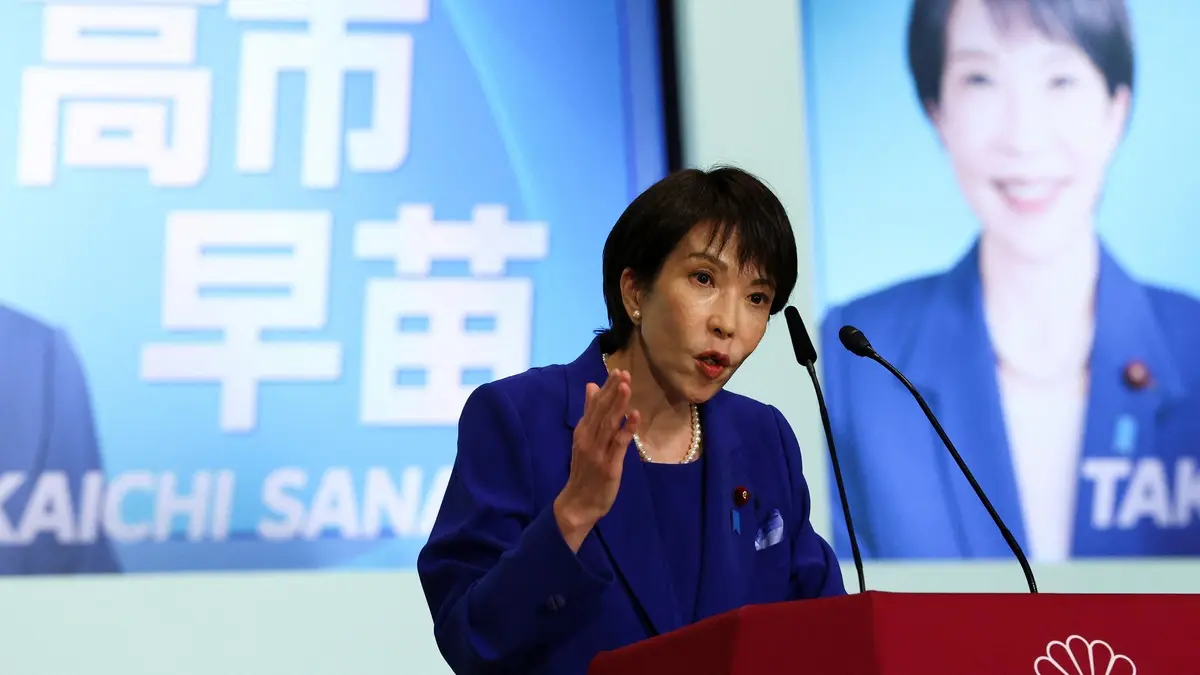
Tokyo, Japan – In a strategic move aimed at bolstering its economic influence in South America and securing energy supply chains, the Japanese government plans to begin formal negotiations for an Economic Partnership Agreement (EPA) with the Southern Common Market (Mercosur) by this summer. If finalized, this would represent the first large-scale free trade negotiations under Prime Minister Sana Takaichi’s administration.
Roadmap towards strategic partnership
According to government sources and press reports, Tokyo plans to establish a “strategic partnership framework” with Mercosur countries by the end of this month.
This framework will serve as the cornerstone for a clear roadmap. The roadmap aims to move to the stage of actual negotiations through two preliminary rounds of intensive talks.
These moves come after Prime Minister Sana Takaichi received a detailed report from Foreign Ministry officials on the 28th of last month, outlining the economic opportunities and geopolitical gains of closer ties with the Latin American bloc.
Mercosur: Economic weight and vital resources
Mercosur, launched in 1995, is a significant economic force, currently comprising five member states: Brazil, Argentina, Paraguay, Uruguay, and Bolivia.
The combined GDP of these countries is approximately $3.16 trillion, equivalent to two-thirds the size of the ASEAN economy, making it an attractive market for Japanese investment and products. It is also worth noting that Venezuela’s membership in the bloc has been suspended since 2016 due to human rights violations.
Energy and minerals versus “beef”
The Japanese newspaper Nikkei reported that Tokyo is prioritizing securing its energy and mineral needs in these negotiations, especially given the global shift towards green energy.
However, Japan is aware that there are sensitive issues that will be on the table. Among these is the issue of Brazilian beef exports, which poses a political and economic challenge for Japanese farmers.
In response to a Brazilian initiative
This Japanese push comes in response to an initiative put forward by Brazilian President Luiz Inácio Lula da Silva, who, during his official visit to Japan last March and following his summit with then-Prime Minister Shigeru Ishiba, explicitly expressed his strong desire to begin formal trade talks between the bloc and Tokyo. If these negotiations succeed, they will not only open up a huge market for Japanese technology and industry, but will also redraw the map of Japan’s trade alliances in the Western Hemisphere. This will bolster its economic security in the face of global volatility.