
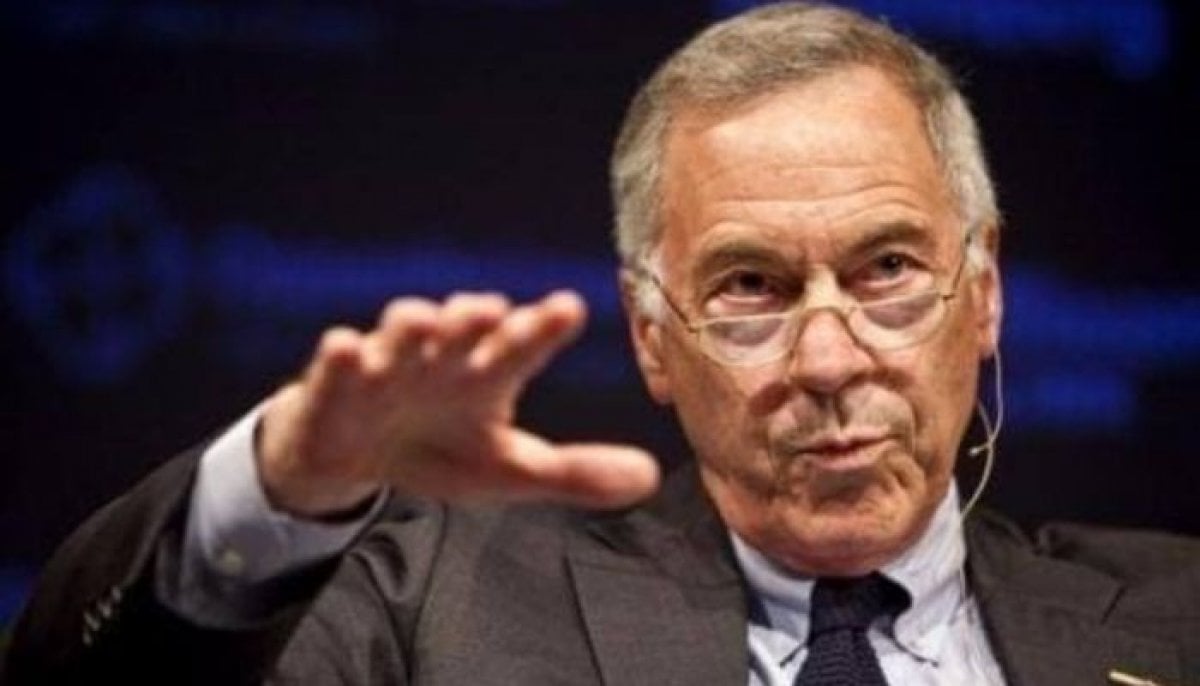

Not everyone buys the idea that artificial intelligence is about to gut the workforce, and one of the world’s most cited economists is making the opposite case, backed by the sheer cost of running the technology.
Steve Hanke, professor of applied economics at Johns Hopkins University, argues that AI’s promise of being cheap or free rests on a basic economic error.
Providing AI at scale demands enormous water, power and physical capital, unlike software, which can be copied and resold at almost no marginal cost once built. He accuses AI evangelists of conflating the two, calling many of them “charlatans and hucksters”.
The main point that Hanke makes is that mass layoffs make sense only when AI is cheaper than paying people, but this is not yet the case.
With Microsoft, Alphabet, Amazon and Meta announcing a total capital expenditure of nearly $700 billion this year, which may increase up to $1 trillion by 2027, the infrastructure cost of implementing AI is huge.
It is cost and not capability, according to Hanke, that will be the ultimate factor in determining just how far automation will go.
Musk belongs to the opposing faction, who believe that the coming era will be one of abundance, leading to the cost of AI approaching zero. He even went as far as suggesting people not save for their retirement.
One of the solutions to the problem of AI-led unemployment that he has proposed is universal income from the government. Financial experts strongly disagree with his retirement recommendation.
He called AI “overhyped and potentially dangerous” in February and warned last autumn that the boom could stall if Big Tech misses its own growth targets. His caution now finds company: investors Mark Cuban and Michael Burry have separately raised alarms this year about how central Nvidia has become to financing the entire AI buildout, with Burry describing some of the spending as pushing “circular” arrangements to extremes.
.