
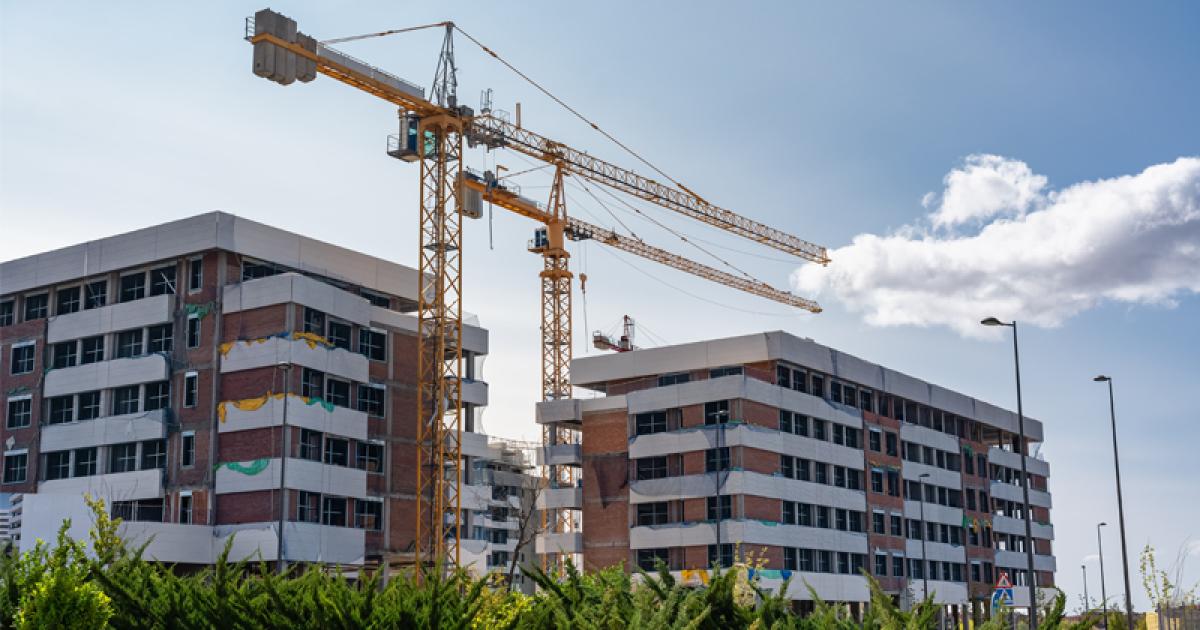
In 2025, new construction permits for unsubsidised housing reached 136,000 units (the highest since 2008) and those for social housing, 23,200 (representing a 40% annual increase). Thus, the total number of permits increased by 6.9% (to 162,200), adding to the 25% advance recorded in 2024. However, net household creation reached 226,000 in 2025, so the housing deficit has continued to grow.
Additionally, a bottleneck is increasingly apparent in the project completion phase. In the trailing 12 months to September, only around 83,500 homes were completed, representing a very moderate increase of around 2% year-on-year, and clearly lower than the 7.6% recorded in 2024. The gap between permits and completed homes (see the following chart) has widened significantly and has now reached its highest levels since 2010, when the property development sector was still absorbing the excesses of the previous expansionary cycle. This widening of the gap points to growing obstacles in the construction process, delaying the delivery of developments underway. In fact, we are unlikely to see completed homes reach above 100,000 units during 2026. Factors such as labour shortages, supply delays, bottlenecks in electrical infrastructure, and the high regulatory burden are contributing to this growing mismatch. To analyse this deficit of new housing in greater depth – including its territorial distribution, the various supply scenarios, and the factors contributing to the construction bottlenecks – we include in this same report the article «Lack of new housing where it is most needed: a growing and geographically concentrated deficit».
While there is broad consensus between the development sector and the general government on the urgent need to increase the housing supply, supply measures are slow to materialise and their effects will be gradual as they depend on execution capacity and the unlocking of land. To accelerate the short-term supply response, it is crucial to decisively streamline the permit and urban planning processes, as well as to kick-start activity on public land that is already available.