
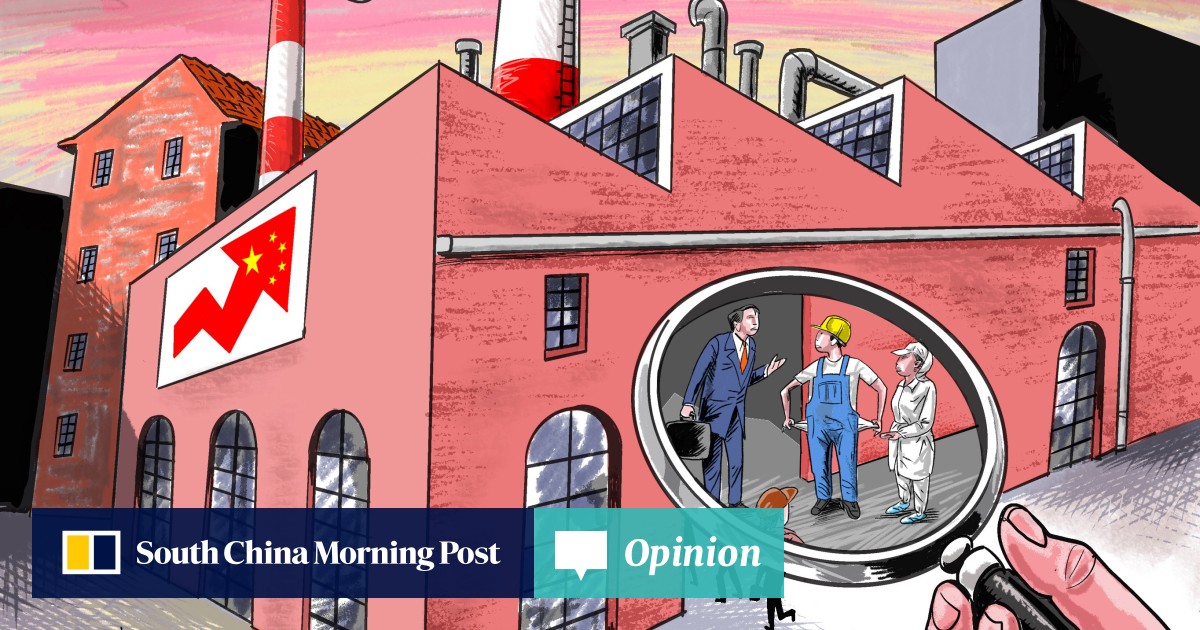
In the long term, as more Chinese companies advance from working for original equipment manufacturers to becoming OEMs themselves, they will revive China’s growth trajectory. Reviving the macro economy through upgrading the micro economy is the right path for China. Not repeating the 2008-style credit stimulus is the right policy. Macroeconomic stimulus would only achieve a short-lived growth spurt while amplifying economic shortcomings.
Last year, China achieved a moderate economic recovery of 5.2 per cent, below market expectations at the start of the year but much better than hoped for midyear. Exports were flat, held back by destocking after a buying surge in 2022.
China’s consumption recovery wasn’t as impressive as in other major economies in the absence of big government handouts to relieve pressure on pandemic-hit incomes. Given this, the 7.2 per cent rise in retail sales last year was decent.
Domestic tourism was a big surprise, with revenues more than doubling to about 4 per cent of the gross domestic product. The automotive sector was also a significant positive with output up by 9 per cent. The property sector was the main drag. Real estate under construction was down by 7.2 per cent in terms of floor space, with new starts fallen by over 20 per cent.
Amid negative market sentiment and as corporations report struggles, doubts have been cast on China’s growth statistics. The prices of iron ore, coal and oil, however, appear to back up the story of China’s moderate recovery. The expansion in electricity production can be verified by corporate data and the expansion in the auto sector by car registration statistics.