


Madrid. Real estate prices have doubled
(Photo: f11photo/Shutterstock)
“People need to separate the government from business and from the people on the street,” said Nadav Berkovitz, a real estate analyst at IBI Investment House. “The Spanish government has chosen a very anti-Israel line, and also an anti-American one, for political reasons related to maintaining a fragile coalition dependent on left-wing parties,” he said.
“But most Spaniards are not preoccupied with Israeli politics, and the atmosphere toward us in major cities such as Madrid is very positive. On the business side, we have not encountered incidents stemming from political tensions. What matters is professionalism, personal relationships and experience.”
The market data help explain the interest. According to research by Spanish banking giant BBVA, Spain’s economy is expected to grow significantly faster than the eurozone average in 2026. At the same time, the country’s housing shortage is projected to reach about 725,000 units by 2027, as construction fails to keep pace with the growth in households.
Global real estate and investment giant JLL, which operates in more than 80 countries including Israel, has also identified a structural gap between housing supply and demand. According to a report it published in June, home prices across Spain have risen about 53% since the beginning of 2021, while rents have increased about 38%.
Madrid stands out even within that trend. The average price per square meter in the city is approaching 6,000 euros, compared with less than 3,000 euros per square meter in the middle of the previous decade. Madrid has now overtaken Barcelona, where prices stand at just over 5,000 euros per square meter.
That means the pressure on Madrid’s housing market is working in two directions at once. The shortage of homes continues to support higher purchase prices and rents, while at the same time making residential property increasingly attractive to institutional investors seeking long-term demand in a supply-constrained market. JLL expects investment in Spain’s residential sector to reach about 5 billion euros in 2026.
Those figures have not gone unnoticed in Israel. Despite political tensions between the two countries, Israeli companies have expanded their activity in Madrid in recent years. Among them are Argis, Genesis, IBI and other investors, some focused on development and converting existing buildings, and others on long-term investment in residential and income-producing real estate.
Unlike Israel, where land reserves are increasingly limited and high-rise construction is often the main answer to housing demand, central Madrid rarely allows that kind of density. “There is a severe housing shortage. Everyone wants to live inside the first ring road, but Madrid places great importance on preserving the urban fabric and existing building heights. You cannot simply demolish a building and put up a 40-story tower,” said Ariel Mazuz, co-owner of Genesis Investments, specializing in real estate in Spain and Israel since 2013.
Mazuz said the company entered the Spanish market in the aftermath of the real estate crisis. “From 2008, housing prices in Spain fell sharply,” he said. “The banking crisis cut off financing to developers, and the market kept deteriorating until 2015. In hindsight, that was about as low as it got.”
Those constraints eventually created an opportunity for Genesis, which now holds a portfolio of more than 18 projects with a transaction volume of about 250 million shekels (about $84.8 million). Its first deal was the purchase of a building in Madrid that it converted from offices to residential use. Mazuz said the company still owns the property and that its value has increased substantially.
Over time, conversion projects became one of its main areas of activity in the city, particularly buying entire buildings that had previously been used for industry or light manufacturing in neighborhoods that became increasingly residential as Madrid expanded.
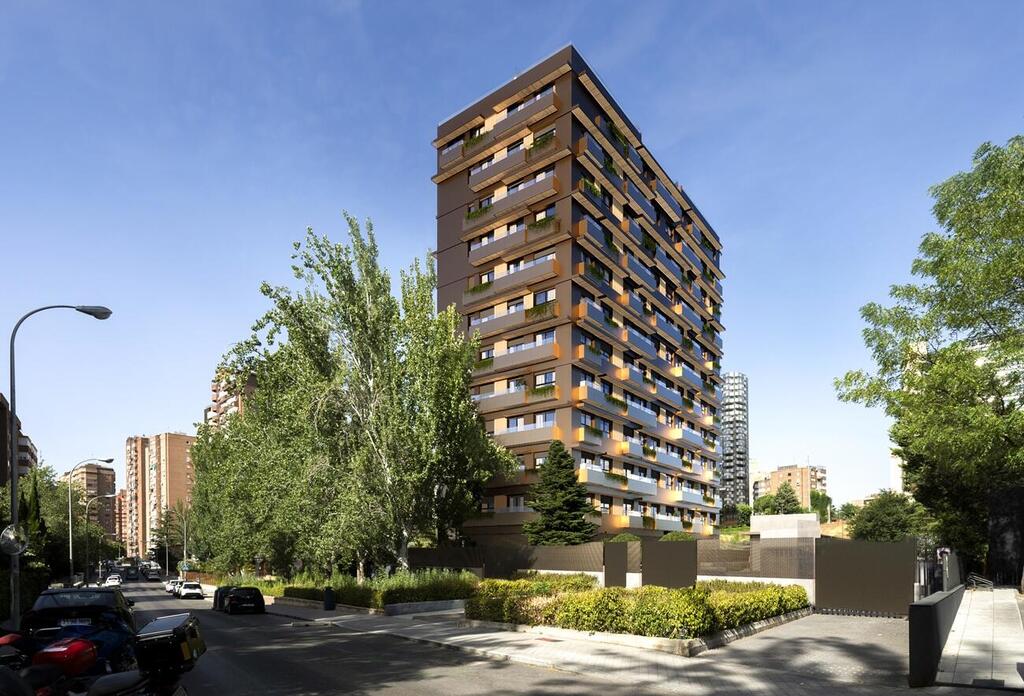
Argis project in Madrid
(Photo: PR)
Most of the company’s activity is concentrated around the Santiago Bernabéu area, home to Real Madrid’s famous stadium and a major tourist destination. “Once this was a light-industrial neighborhood,” Mazuz said. “Over the years it became one of Madrid’s residential and business hubs, and prices rose accordingly.”
When Genesis first entered the area, he said, prices were around 2,500 to 2,800 euros per square meter. Apartments in its current projects are selling for about 7,500 euros per square meter. Units of about 50 to 60 square meters are selling for roughly 350,000 to 450,000 euros.
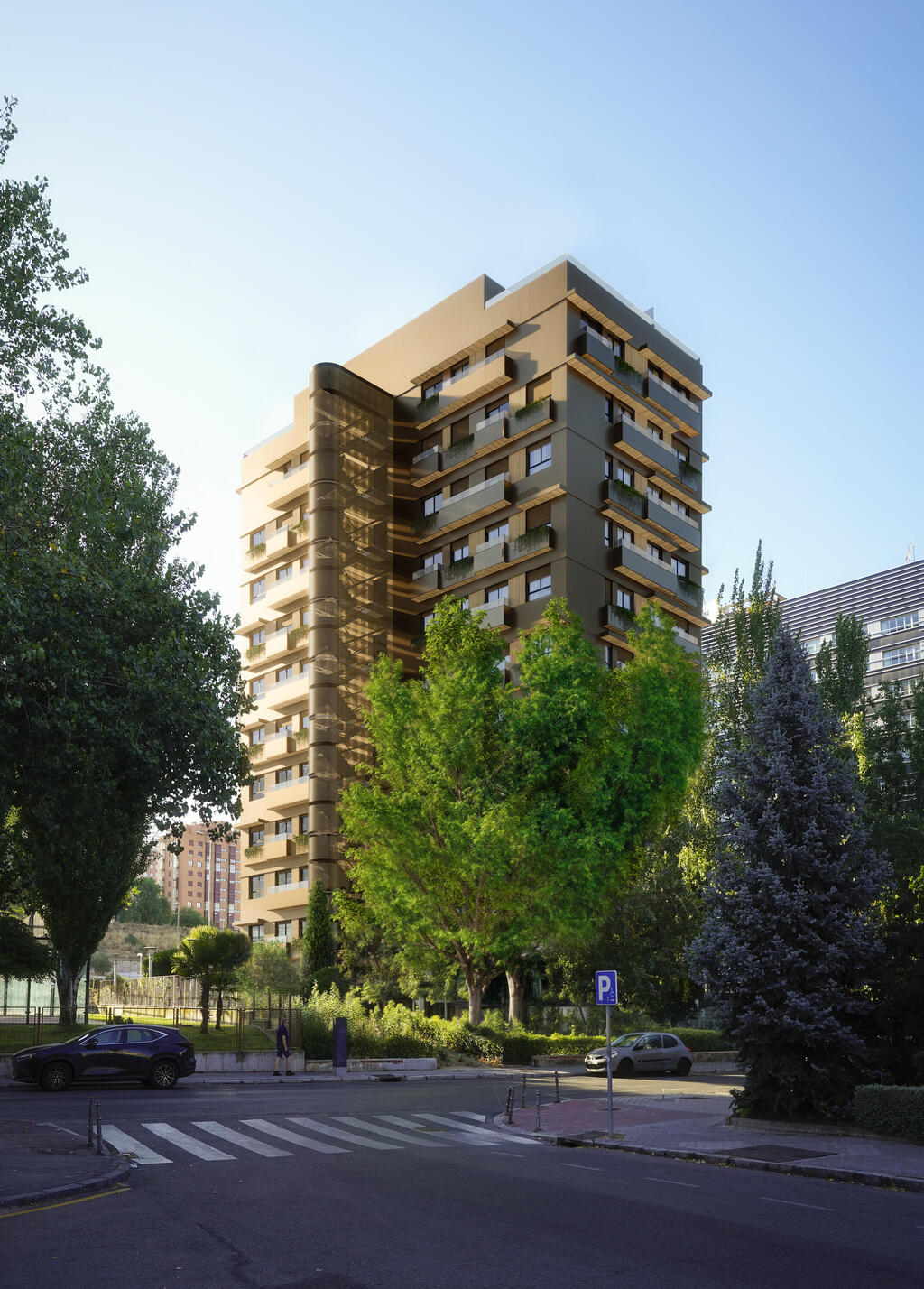
Argis project in Madrid
(Photo: PR)
Mazuz said the company’s current strategy is less focused on selling individual apartments and more on buying entire buildings, converting them and renting them out. Its model includes small furnished residential units aimed partly at students, Airbnb guests and medical tourists. “We give someone arriving in Madrid the ability to leave the airport and walk into a ready apartment, with furniture, bedding and internet,” he said.
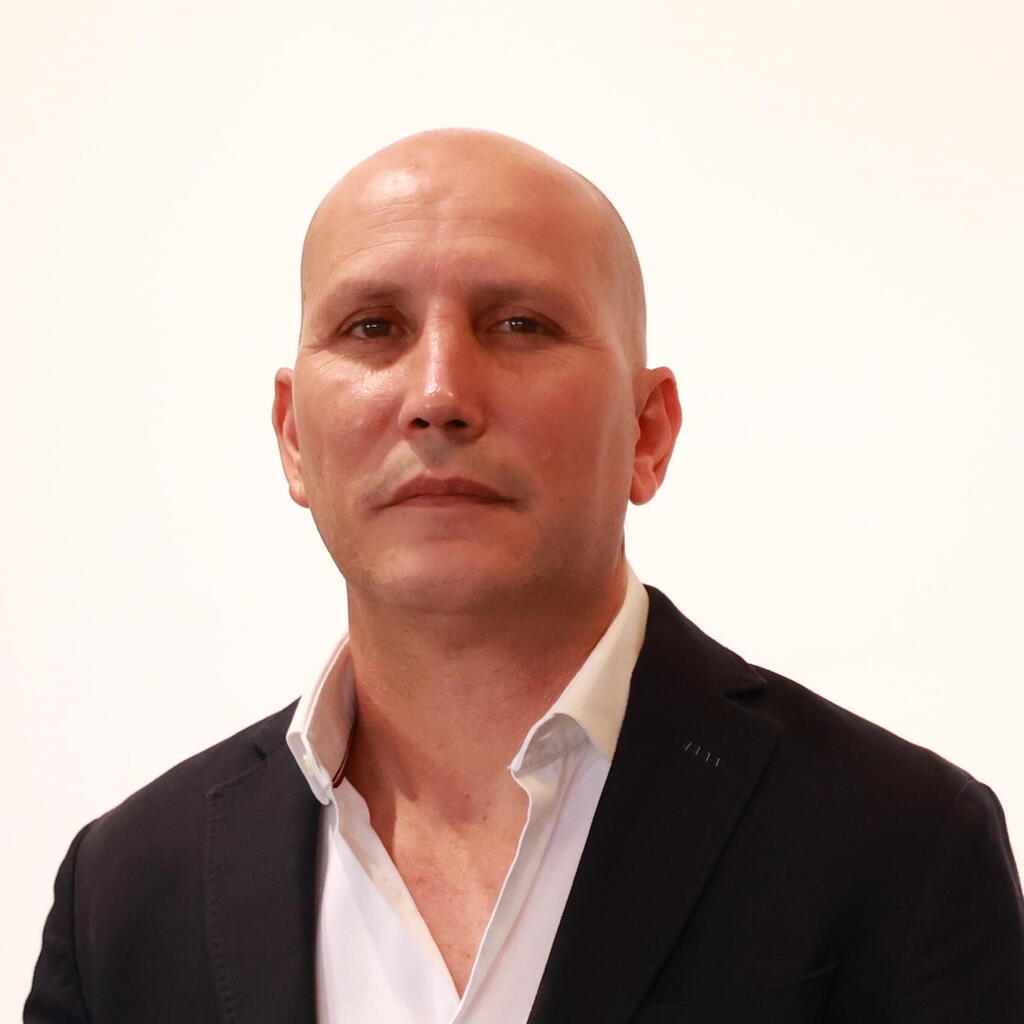
Ariel Mazuz, co-owner of Genesis Investments
(Photo: PR)
One example is a building the company acquired at Coruña 21, where a factory once produced film reels for the movie industry. “When we first entered, we saw rooms full of huge reels,” Mazuz said. Genesis converted the building into 23 residential units. It later acquired the neighboring property at Coruña 19, where one floor has already been converted into two apartments and nine more units are planned, he said.
One issue repeatedly highlighted by Mazuz and other Israeli operators in Madrid is the difference between permitting procedures there and in Israel. Before buying a building, Genesis consults an external body that works with the municipality to assess whether the property can be converted. An architect then prepares an initial plan and moves the application forward. For some projects, contractors can begin work within about 90 days of the purchase.

Genesis project in Madrid
(Photo: Genesis REIT Spain)
“From the moment I buy an industrial building until it is fully rented out, about a year passes,” Mazuz said. “Within a year, the property is already generating income, instead of tying up capital for years in financing costs.”
He said another advantage is that architects often coordinate the work of the various consultants for the developer rather than forcing the developer to manage each professional separately. For Genesis, which is also active in Israel, the contrast is especially stark.
He stressed, however, that Madrid is not Greece or Cyprus, where Israeli companies widely market individual apartments to private Israeli investors. New construction in the city center is limited, he said, so the Israeli activity he sees tends to be led by funds, development companies and groups focused on upgrading entire properties.
Another major Israeli-linked player is Argis, a real estate investment and development group operating in Spain since 2015. The fund was founded by Alejandro Schuvaks, an Argentina-born investor who moved to Israel in 2013 and now lives in Hod Hasharon.
Schuvaks has more than 20 years of investment experience, including work at Viola Partners and Pegasus. He runs Argis alongside CEO and partner Carlos Zucchi, whom he met while they were students in Argentina. Before joining Argis, Zucchi headed the Argentina operations of Advent International, one of the world’s largest private equity firms.
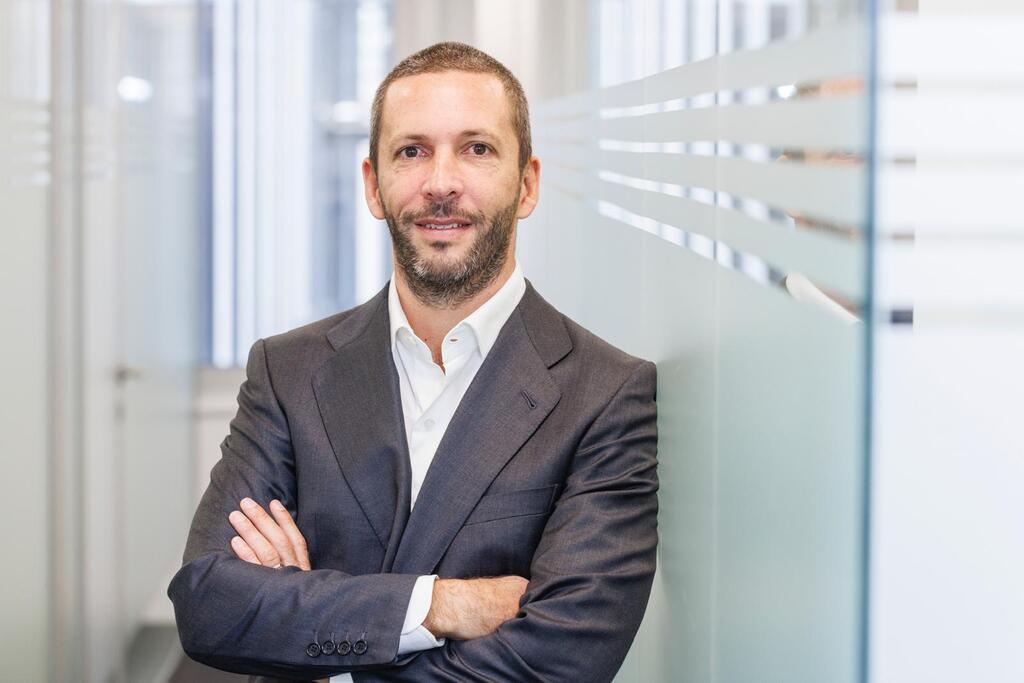
Alejandro Schuvaks, founder and CEO of Argis
(Photo: PR)
Argis is centered in Madrid but is also active in Barcelona, Bilbao and Malaga. Its model combines investment, development and asset management, from identifying and buying properties through construction and development to selling apartments or operating them as rental properties.
According to company figures, Argis manages about 1.5 billion euros in assets, has invested more than 1.1 billion euros since its founding and holds more than 3,500 housing units in various stages of development and construction.
“We are a real estate investment fund, a development company and an asset management company. We do everything,” Schuvaks said.
Israeli capital plays a major role in Argis’ activity. Schuvaks said about 70% of investors in the company’s funds are Israeli. “We also have U.S. insurance companies, Canadian funds and Spanish pension funds, so our investor base is broad, but Israel remains the majority and the heart of the business,” he said.
That includes private capital as well. “We have many private investors too, but they are qualified investors. This is not an investment for everyone.”
Israeli institutional investors include Meitav Investment House. Despite the significant Israeli capital flowing into Spanish real estate funds, Schuvaks does not see Madrid as a major market for Israelis buying individual apartments to rent out. Israelis generally prefer to buy apartments, renovate them and sell them,” he said. “That model exists only in certain areas, mainly among Argentine and Mexican Jews, with relatively few Israelis involved.”
Most apartments sold to individuals go to local buyers. “We have a sales office in Madrid selling 40 apartments a month, mainly to residents from Latin America,” he said. Argis focuses on two ends of the market: luxury housing and relatively small apartments. “It is becoming harder and harder for the middle class everywhere in the world to buy homes,” he said.
Prices vary according to location and project type. Schuvaks said Argis’ more affordable Madrid projects are priced at around 4,500 to 5,000 euros per square meter, while luxury projects can reach 9,000 to 10,000 euros per square meter.
“Today everyone wants to invest in Madrid,” he said. “It is very easy to do business there. I remember that when I was a child, the Latin American dream was to live in Miami. Now it is Madrid. It is no longer Miami.”
Schuvaks also points to Madrid’s faster permitting process. When he first entered the market more than a decade ago, securing a permit could take around two years. Since then, he said, reforms have significantly shortened the process. “For nonresidential projects, the architect can certify that the plans comply with regulations, allowing construction to begin,” he said.
In some other procedures, external companies work with the municipality. “We get permits in six to nine months,” he said. Conversions from offices to residential use can be even faster.
Israeli activity in Spain also includes IBI Investment House. Berkovitz said IBI established a publicly traded Spanish real estate operation about five years ago under a SOCIMI structure, Spain’s equivalent of a real estate investment trust (REIT) that receives local tax benefits.

Nadav Berkovitz, a real estate analyst at IBI Investment House
(Photo: Ilan Besor)
The company also owns assets in Valencia, the Basque Country, Seville and Barcelona. Its activity focuses on income-producing property, particularly logistics facilities and supermarkets. “We do not develop or build. We buy an asset that is already completed,” Berkovitz said.
The first 100 million shekels came from institutional investors, he said, with private investors joining later. Today the company has about 80 million euros in equity and around 170 million euros in assets. Its focus on logistics was deliberate, aimed at relatively stable properties with strong tenants and long-term contracts.
Berkovitz said the combination of economic growth, rising tourism, immigration from South America and an expanding service sector created a “perfect storm,” drawing foreign capital into Spain and making Madrid especially attractive to investors.
“This is the fourth-largest economy in Europe, which in recent years has shown strong growth and become a destination for foreign investors,” he said. “This is obviously not only Israeli money, but a global trend, with American investors and large funds also increasing their exposure to the Spanish market.”
Although IBI does not invest directly in residential real estate, Berkovitz said the same market forces are also driving housing prices higher. “The same trends apply to residential property,” he said. “New capital has entered the market and pushed home prices up.”
For private investors, however, Madrid comes with important risks. Attorney Ilan Leibovitch, who specializes in international real estate investment, said the rules governing short-term rentals have changed significantly.
“Israelis who bought properties in Spain for short-term rentals entered the market under one set of rules, but today they are facing a very different reality,” he said. “Spain has become one of Europe’s most restrictive markets for short-term rentals. For Israeli investors, the implications are clear: Those who bought apartments expecting to rent them to tourists are now finding that new regulations have changed the rules of the game.”
Leibovitch said Madrid prohibits short-term tourist rentals, known as VUTs, in residential buildings in the historic center unless certain conditions are met. Such rentals are allowed only if the entire building is dedicated to tourist accommodation, the unit has a separate entrance from other residents, or it is located outside the historic center and meets the independent-access requirements.
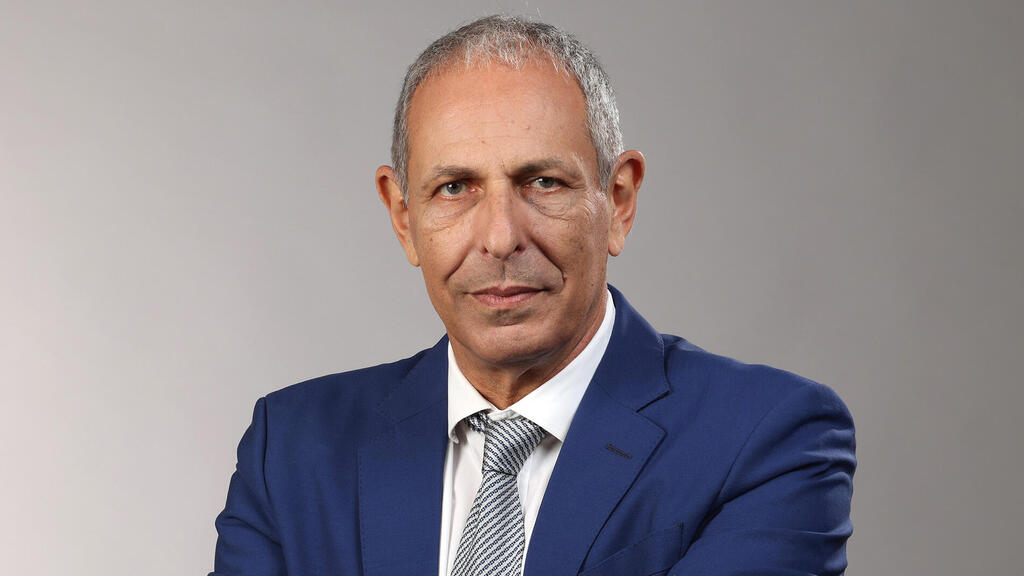
Attorney Ilan Leibovitch
(Photo: Eldad Maestro)
“For property owners in residential buildings in Madrid’s historic center, this is a dramatic change,” he said. They may have to cease short-term rental activity or seek alternatives, he said. Failure to comply can result in fines of up to 190,000 euros. “Madrid is fundamentally changing how it treats tourist apartments in the heart of the city,” Leibovitch said.
Nir Shmoul, CEO of Snir Real Estate Marketing, which markets properties in Israel and abroad, said the dominant model for Israeli investors has also changed. In the past, Israelis often bought a single apartment outright and registered it directly in their name.
Snir itself used that model in 2019, selling existing properties in Spain to Israelis who could live in them, rent them out or manage them independently. Today, Shmoue said, joint investment through a company or SPV is increasingly common. Under that model, dozens of investors hold stakes in a portfolio of properties together.
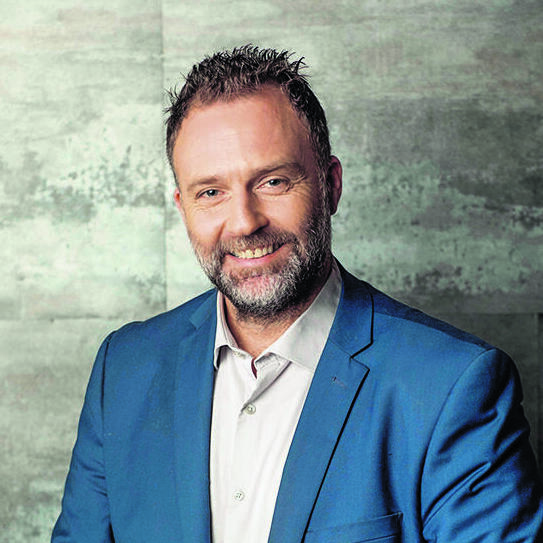
Nir Shmoul, CEO of Snir Real Estate Marketing
(Photo: Tal Shahar)
The investor is exposed to both the profits and the risks of the investment, and the company often acquires a package of assets rather than one apartment. The model can provide diversification and access to larger deals, Shmoul said, but requires investors to understand precisely what they are buying, at what price and with what risks.
Although direct ownership remains possible in Madrid, he said, Israeli companies increasingly raise capital from investors and use it to acquire portfolios of properties.
Political tensions remain part of the calculation. Spain’s hostile stance toward Israel, pro-Palestinian demonstrations and criticism of Israel in Spanish public discourse remain part of the risk assessment. “It is important to take the geopolitical reality into account as well,” Shmoul said.
“Given Spain’s hostile stance toward Israel, the joint-investment model offers a significant advantage by reducing the Israeli investor’s day-to-day exposure on the ground, whether with brokers, banks or authorities, and can help minimize obstacles or disputes that may arise against an antisemitic backdrop.”
He said companies holding the assets should preferably be structured as Spanish or international companies rather than Israeli entities. Such structures, he argued, can reduce the risk of pro-Palestinian organizations targeting investors or bodies identified as Israeli.
Taxation is another central issue. Attorney and CPA Racheli Guz-Lavi, managing partner and head of taxation at Amit, Pollak, Matalon & Co., said Israeli investment in Spanish real estate has become increasingly popular, particularly in Madrid and Barcelona.
But she warned that attractive headline returns can look very different once taxes are included. “A well-informed decision requires a thorough understanding of local tax laws alongside reporting obligations in Israel,” she said.
As a general rule, she said, secondhand properties are subject to a purchase tax ranging from 6% to 11%, depending on the region. New properties purchased from developers are generally subject to reduced value-added tax of around 10%, depending on the transaction and property type, plus stamp duty.
Israeli nonresidents who buy apartments in Spain and rent them out generally pay a 24% tax on rental income. If a property remains vacant, an annual deemed-income tax may apply.
On sale, capital gains tax generally begins at 19%, depending on the circumstances, while the buyer must withhold 3% of the purchase price and transfer it to the tax authorities as an advance payment. An increase in the value of the land may also trigger municipal tax.
Direct ownership above certain thresholds can also be subject to wealth tax, while Spain has added a national solidarity tax for high-value assets. Inheritance tax may also apply when property is transferred to heirs.

Attorney and CPA Racheli Guz-Lavi
(Photo: Eyal Toueg)
Israeli residents are also required to report worldwide income in Israel. An investor earning rental income abroad may choose between a 15% tax on gross rental income, after depreciation, or taxation at their marginal rate, which can allow deductions and a credit for tax paid in Spain under the bilateral tax treaty.
For capital gains, investors may be required to make up the difference in Israel to the applicable Israeli capital gains tax rate for individuals, generally 25%. Guz-Lavi said the complexity highlights the importance of receiving professional tax advice in both Spain and Israel.
CPA Itzik Rofeh, an expert in Israeli and international taxation at Meir Mizrahi with A. Rafael, added that any foreign real estate investment requires more than an assessment of purchase price and expected yield. Investors also need to examine local law, property registration, rental options and the full range of costs and taxes involved in acquisition and ownership.
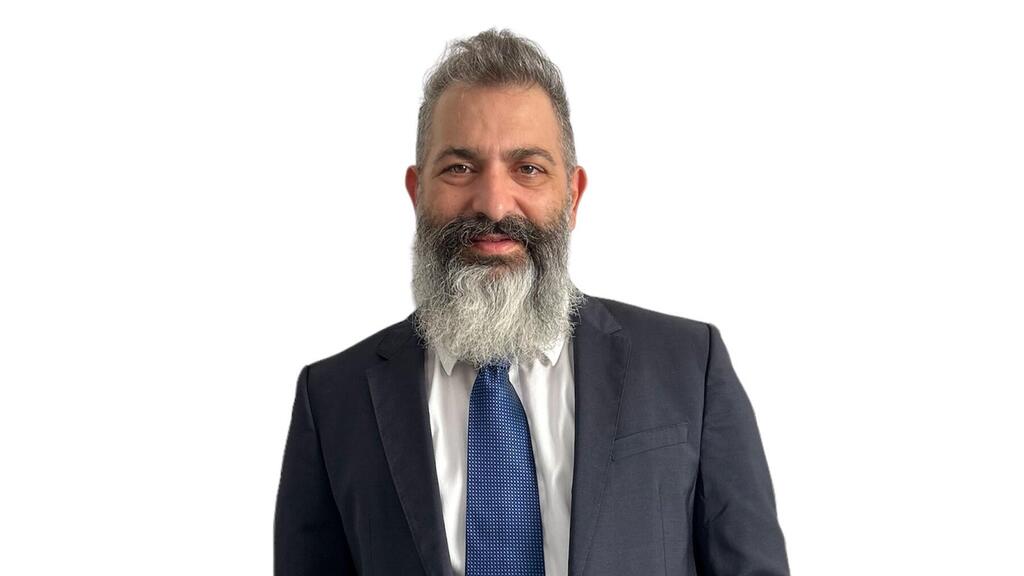
CPA Itzik Rofeh
(Photo: PR)
“The important question for an investor is not only what yield the apartment in Madrid generates, but what net yield remains after taxes in Spain and Israel,” he said. Reviewing the tax burden in both countries before purchase, he added, can prevent unpleasant surprises and materially affect whether the investment makes financial sense.