
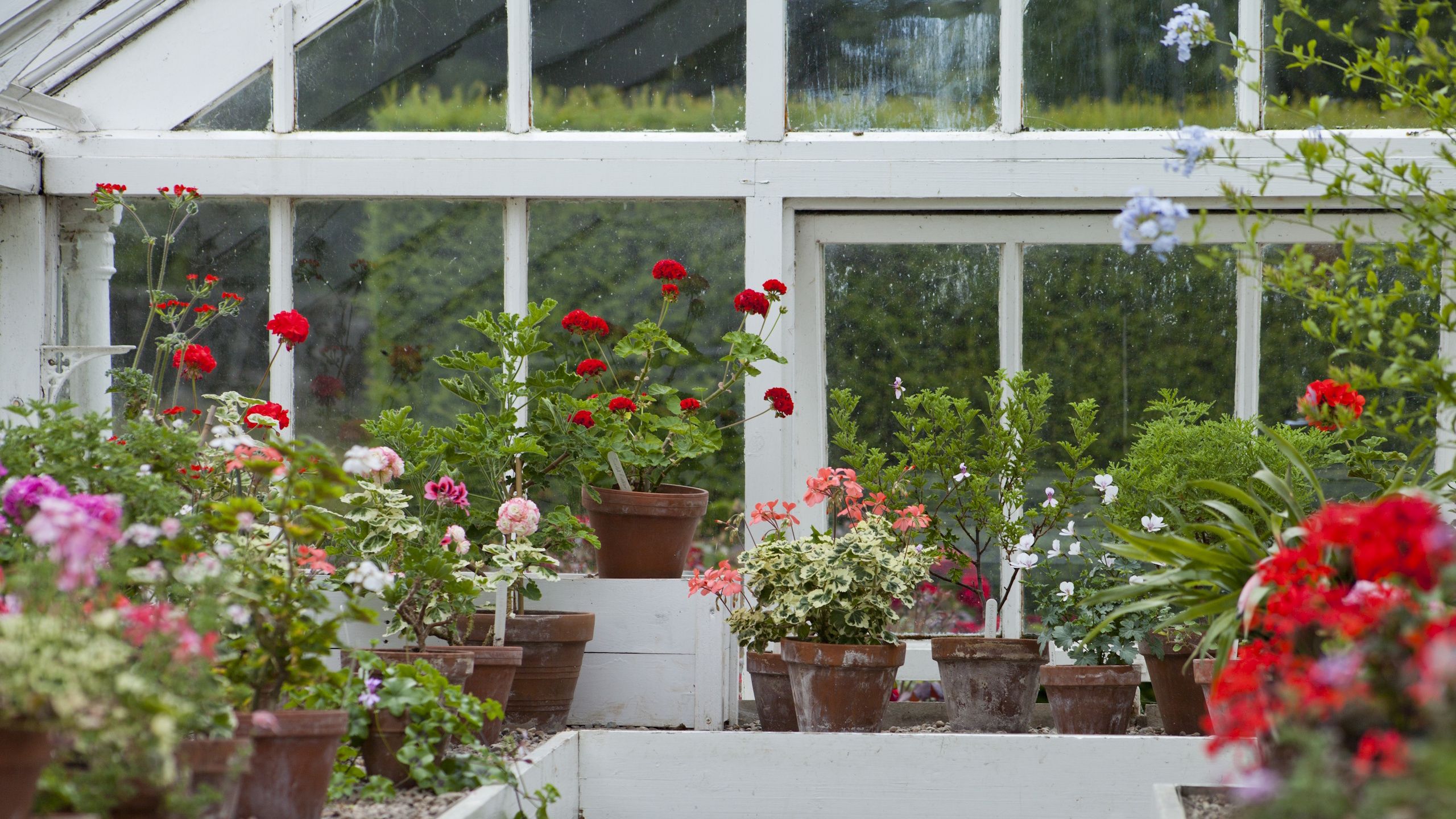
September marks a transitional month in the garden, as we give summer a gentle goodbye and start thinking about fall. One plant that needs some extra attention this month is geranium, or pelargonium.
If you grow geraniums, it’s worth knowing what kind of fall and winter care they need to survive for next year. Hardy across just USDA zones 10-11, September calls for moving them indoors, taking pelargonium cuttings, and giving them a quick trim to tidy up after summer blooming.
Getting these tasks done now before frost arrives later in fall will ensure you get another display of these beautiful, scented cottage-garden blooms next year. Here, I talk through the five things I always do to my geraniums in September to prepare them for the incoming cooler conditions – you’ll want to have these Fiskars micro-tip pruning snips from Amazon to hand.
Latest Videos FromHomes and Gardens
1. Remove Damaged Foliage

(Image credit: Jacky Parker Photography / Moment / Getty Images)
By the time September rolls around, your geraniums (i.e., pelargoniums, not hardy geraniums) are tired from putting on a long summer display. That’s why I always give mine a bit of a prune to rejuvenate them.
While cutting back geraniums for winter can wait until later in the season, early fall calls for some light tidying up while the plant is in the tail-end of its active growth season.
I focus on removing any discolored, damaged foliage and spent blooms. Micro-tip gardening snips (like these from Lowe’s) are the ideal size for making precise cuts on a smaller plant like this.
This simple tidy-up helps keep pelargoniums looking their best as they transition into fall and prepares them for moving indoors when temperatures begin to drop.
2. Take Cuttings

(Image credit: Ruth Hayes/Future)
With geraniums being such tender perennials, it isn’t always guaranteed they’ll make it through winter. So, I always take cuttings in fall to propagate and create back-up plants.
To propagate geranium plants, take stem cuttings from a non-flowering shoot, around 3-4 inches long. Always cut just below a leaf node to encourage the parent plant to keep growing.
You should remove the bottom leaves of your cutting, leaving just the couple of top pairs. I like to then dip the end of my cuttings in a rooting hormone (like this Amazon rooting hormone powder), which contains chemicals to encourage root development.
Place the cuttings in a pot of well-draining compost, keep it consistently moist and in a frost-free, sheltered and bright spot over winter – I kept mine in my unheated greenhouse last year where they rooted just fine.
Come spring, you’ll have brand new young plants. And if your original plants survived, you have extras to gift to family and friends.
3. Move Them Under Cover

(Image credit: Steffen Hauser / botanikfoto / Alamy Stock Photo)
The best way to protect these plants from frost is by bringing your geraniums undercover into a frost-free environment. This could be a greenhouse, or you can bring them indoors and enjoy them as houseplants.
Overwintering geraniums like this is super simple. Just make sure to first check them over for any pests to protect your indoor plants, and choose a bright spot, like a windowsill or a conservatory.
Steer clear of radiators and heating vents, however, which may crisp up their foliage and dry out their soil. Don’t forget to also provide plenty of ventilation to avoid fungal problems, like powdery mildew.
4. Only Water When Dry

(Image credit: Getty Images/Elizabeth Fernandez)
With geraniums being susceptible to root rot, take care not to water them too frequently over fall and winter.
They will need much less water than when they’re actively growing, so use this Amazon soil moisture meter to check their soil and only top up the water when it has dried out.
It’s also a good idea to repot your geraniums into a pot with drainage holes and a saucer to allow any excess moisture to freely drain away. These terracotta pots with saucers from Walmart are the perfect size.
Once new growth emerges in spring, you can increase watering frequency once again.
5. Reduce Feeding

(Image credit: Getty Images / Jackie Parker Photography)
With the growing season coming to an end, there isn’t a need to continue fertilizing geraniums by the end of September. However, at the start of the month, you may wish to give them a final boost of essential plant nutrients if your plant is still flowering – use a high-potassium feed, like this bloom booster from Amazon.
Continuing to fertilize geraniums as growth slows can encourage soft, new growth that may struggle in lower light and cooler temperatures. Excess fertilizer can also lead to a build-up of salts in the compost, potentially damaging the roots.
As the plant naturally slows down for winter, it’s best to let it rest rather than encourage lots of new growth. This will also help conserve its energy for a bright display next year.
What to Shop
There are still a few more weeks to keep your geraniums blooming by deadheading. The most important thing to do is keep an eye on your local forecast for upcoming frost dates and ensure your geraniums are protected accordingly.
If you love inspiring garden ideas, outdoor advice, and the latest news, why not sign up for our newsletter and get the latest features delivered straight to your inbox?