
Close Menu
Aspire Market Guides
  • Home
  • Alternative Investments
  • Cryptocurrency
  • Economics
  • Equity Investments
  • Mutual Funds
  • Real Estate
  • Trading
What's Hot

Invesco India Ultra Short to Short Term Fund – Retail Plan: Overview, Performance, Portfolio

September 3, 2026

XRP’s $2.14 bull case just met a $474 million ETF tailwind

September 3, 2026

Data Centers Rarely Reuse Cooling Water Due to Economic Trade-offs, ETDatacenters

September 3, 2026
Facebook X (Twitter) Instagram
Trending:
  • Invesco India Ultra Short to Short Term Fund – Retail Plan: Overview, Performance, Portfolio
  • XRP’s $2.14 bull case just met a $474 million ETF tailwind
  • Data Centers Rarely Reuse Cooling Water Due to Economic Trade-offs, ETDatacenters
  • Goldman Sachs and BofA Are Making a Major Stablecoin Bet. Is It Worth Watching?
  • “650,000 Won for a Cafe Window, 400,000 Won for a Lawn Spot”… Rampant Trading of Prime Viewing Spots With No Solution in Sight
  • What to Do with Geraniums in September: 5 Key Tasks
  • Stablecoins Storm Toward $1 Trillion, New Pillar of Global Finance
  • Vanguard’s All-World ETF Nears Record Highs as Index Adds Indian and Vietnamese Names
  • Retail spending hits brakes following H12026 economic impacts: Deloitte
  • UK Regulator Flags Liquidity Risks at Property Funds
Thursday, September 3
Facebook X (Twitter) Instagram
Aspire Market Guides
  • Home
  • Alternative Investments
  • Cryptocurrency
  • Economics
  • Equity Investments
  • Mutual Funds
  • Real Estate
  • Trading
Aspire Market Guides
Home»Economics»Data Centers Rarely Reuse Cooling Water Due to Economic Trade-offs, ETDatacenters
Economics

Data Centers Rarely Reuse Cooling Water Due to Economic Trade-offs, ETDatacenters

By CharlotteSeptember 3, 20262 Mins Read
Share
Facebook Twitter Pinterest Email Copy Link


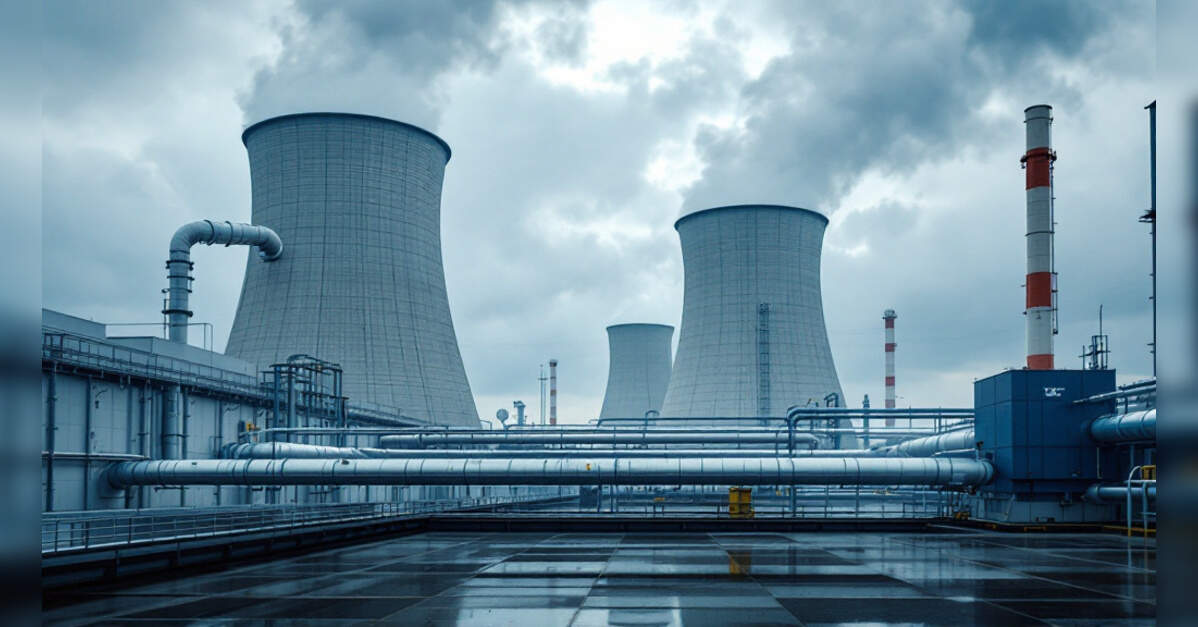
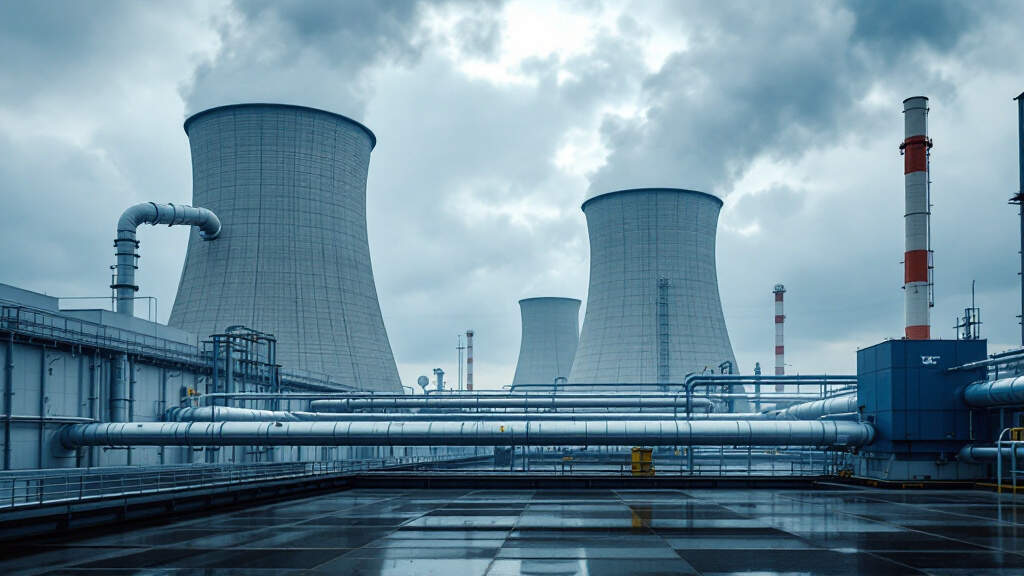
Despite public concern over data center water consumption, most facilities currently do not reuse cooling water on-site. A 100 MW data center can consume approximately 2.5 billion litres of water annually, comparable to the usage of 5,000 or more homes.The primary reason for this limited reuse stems from the design of common direct evaporative cooling systems. These systems reject heat by releasing most water as vapor into the atmosphere, making on-site recapture inefficient as it would require reabsorbing the expelled heat.

Cooling System Dynamics and Water Use

Evaporative cooling is widely adopted due to its ability to remove large volumes of heat at relatively low cost and with less electricity consumption compared to alternative methods. After the evaporation process, 20% to 30% of the water remains as residual or “blowdown” water. This residual water contains concentrated dissolved minerals, which can lead to scaling and fouling if not periodically flushed from the system. Consequently, this blowdown water is typically treated as wastewater and discharged to municipal systems or in accordance with environmental regulations, rather than being reused directly for cooling without extensive treatment.

Pathways to Reduce Water Intake

While widespread on-site reuse is uncommon, data centers have several practical strategies to reduce potable water demand:

  • Closed-Loop or Hybrid Systems: Adopting closed-loop systems, such as chilled-water loops with dry coolers, circulates fluids through pipes and heat exchangers, leading to near-total fluid reuse. However, these systems often involve higher capital costs, larger footprints, and increased electricity consumption in various climates.
  • Blowdown Treatment: Operators can treat residual water using methods like softening, filtration, or reverse osmosis to remove minerals. While the technology exists, the added cost and operational complexity of these treatment systems have deterred many data centers from investing.
  • Graywater Repurposing: Residual water can be treated and repurposed for non-potable uses like irrigation or toilet flushing, depending on local codes, storage capacity, and consistent on-site demand.


Future Outlook for Water Recycling

Currently, the economics for widespread water reuse are not compelling in most markets. The alternatives to evaporative cooling are expensive, and treating residual water adds significant cost and operational complexity. This situation could change with rising water prices, increased scarcity, or stricter regulations that might include direct reuse mandates, water budgets, or discharge limits. For now, most water entering evaporative systems is not reused on-site but returns to the natural watershed as vapor through the cycle of evaporation and precipitation.


Source link

Related Posts

Economics

Retail spending hits brakes following H12026 economic impacts: Deloitte

September 3, 2026
Economics

An unfair, unnecessary & counterproductive rate hike that exposes NZ’s broken economic model

September 2, 2026
Economics

Socialism Is the Least Humane Economic Policy.

September 1, 2026
Economics

Building the security layer for the digital economy | Market Pulse

August 31, 2026
Economics

Can carbon markets unlock Africa’s green economy? – EnviroNews

August 31, 2026
Economics

A Check for Rational Inattention

August 31, 2026
Add A Comment
Leave A Reply Cancel Reply

Editors Picks

Invesco India Ultra Short to Short Term Fund – Retail Plan: Overview, Performance, Portfolio

September 3, 2026

XRP’s $2.14 bull case just met a $474 million ETF tailwind

September 3, 2026

Data Centers Rarely Reuse Cooling Water Due to Economic Trade-offs, ETDatacenters

September 3, 2026

Goldman Sachs and BofA Are Making a Major Stablecoin Bet. Is It Worth Watching?

September 3, 2026
SUBSCRIBE TO OUR NEWSLETTER

Get our latest downloads and information first. Complete the form below to subscribe to our weekly newsletter.


I consent to being contacted via telephone and/or email and I consent to my data being stored in accordance with European GDPR regulations and agree to the terms of use and privacy policy.

Featured

Top NFTs By Weekly Sales Volume

April 22, 2026

6 Best Crypto Coins to Stake in April 2026

April 23, 2026

Stonk Broker NFTs on Robinhood Poised to Overtake Pudgy Penguins as Robinhood Delivers Record Earnings

August 1, 2026
Monthly Featured

War, Rates, and Volatility in Precious Metals Markets

April 25, 2026

Franklin High Income Fund Q1 2026 Commentary

July 5, 2026

Hedge fund Balyasny’s intern class is very good, and not very interesting

June 12, 2026
Latest Posts

Invesco India Ultra Short to Short Term Fund – Retail Plan: Overview, Performance, Portfolio

September 3, 2026

XRP’s $2.14 bull case just met a $474 million ETF tailwind

September 3, 2026

Data Centers Rarely Reuse Cooling Water Due to Economic Trade-offs, ETDatacenters

September 3, 2026
SUBSCRIBE TO OUR NEWSLETTER

Get our latest downloads and information first. Complete the form below to subscribe to our weekly newsletter.


I consent to being contacted via telephone and/or email and I consent to my data being stored in accordance with European GDPR regulations and agree to the terms of use and privacy policy.

© 2026 Aspire Market Guides.
  • Contact us
  • Privacy Policy
  • Terms and Conditions

Type above and press Enter to search. Press Esc to cancel.

SUBSCRIBE TO OUR NEWSLETTER

Get our latest downloads and information first.

Complete the form below to subscribe to our weekly newsletter.


I consent to being contacted via telephone and/or email and I consent to my data being stored in accordance with European GDPR regulations and agree to the terms of use and privacy policy.