
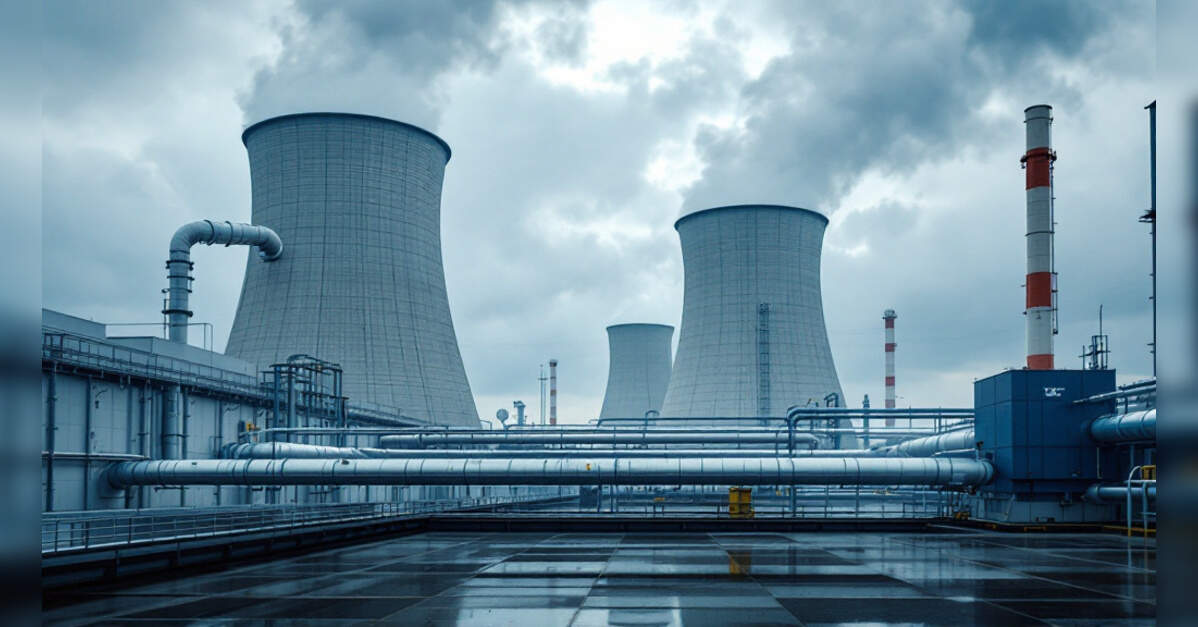
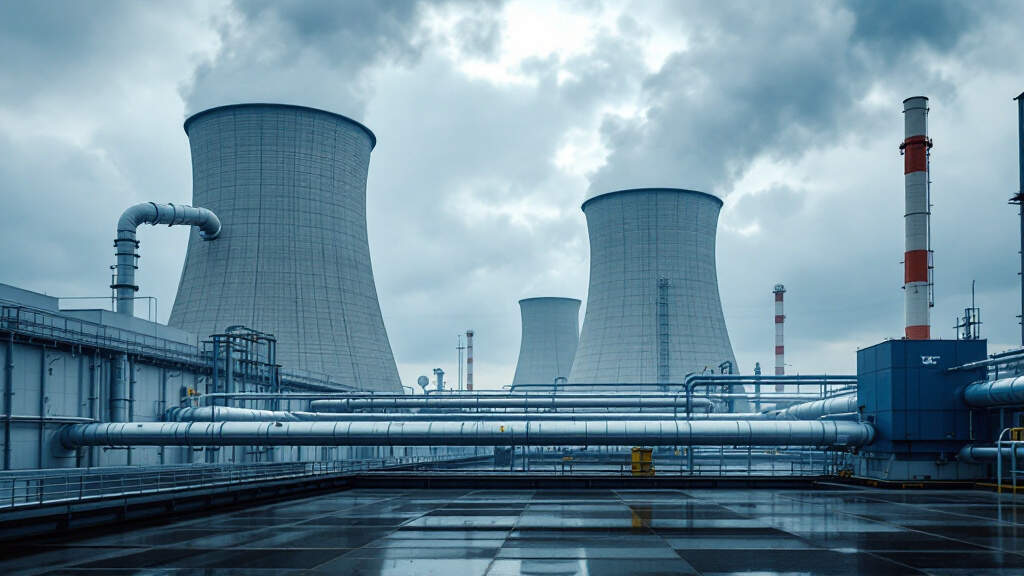
Despite public concern over data center water consumption, most facilities currently do not reuse cooling water on-site. A 100 MW data center can consume approximately 2.5 billion litres of water annually, comparable to the usage of 5,000 or more homes.The primary reason for this limited reuse stems from the design of common direct evaporative cooling systems. These systems reject heat by releasing most water as vapor into the atmosphere, making on-site recapture inefficient as it would require reabsorbing the expelled heat.
Cooling System Dynamics and Water Use
Evaporative cooling is widely adopted due to its ability to remove large volumes of heat at relatively low cost and with less electricity consumption compared to alternative methods. After the evaporation process, 20% to 30% of the water remains as residual or “blowdown” water. This residual water contains concentrated dissolved minerals, which can lead to scaling and fouling if not periodically flushed from the system. Consequently, this blowdown water is typically treated as wastewater and discharged to municipal systems or in accordance with environmental regulations, rather than being reused directly for cooling without extensive treatment.
Pathways to Reduce Water Intake
While widespread on-site reuse is uncommon, data centers have several practical strategies to reduce potable water demand:
- Closed-Loop or Hybrid Systems: Adopting closed-loop systems, such as chilled-water loops with dry coolers, circulates fluids through pipes and heat exchangers, leading to near-total fluid reuse. However, these systems often involve higher capital costs, larger footprints, and increased electricity consumption in various climates.
- Blowdown Treatment: Operators can treat residual water using methods like softening, filtration, or reverse osmosis to remove minerals. While the technology exists, the added cost and operational complexity of these treatment systems have deterred many data centers from investing.
- Graywater Repurposing: Residual water can be treated and repurposed for non-potable uses like irrigation or toilet flushing, depending on local codes, storage capacity, and consistent on-site demand.
Future Outlook for Water Recycling
Currently, the economics for widespread water reuse are not compelling in most markets. The alternatives to evaporative cooling are expensive, and treating residual water adds significant cost and operational complexity. This situation could change with rising water prices, increased scarcity, or stricter regulations that might include direct reuse mandates, water budgets, or discharge limits. For now, most water entering evaporative systems is not reused on-site but returns to the natural watershed as vapor through the cycle of evaporation and precipitation.