
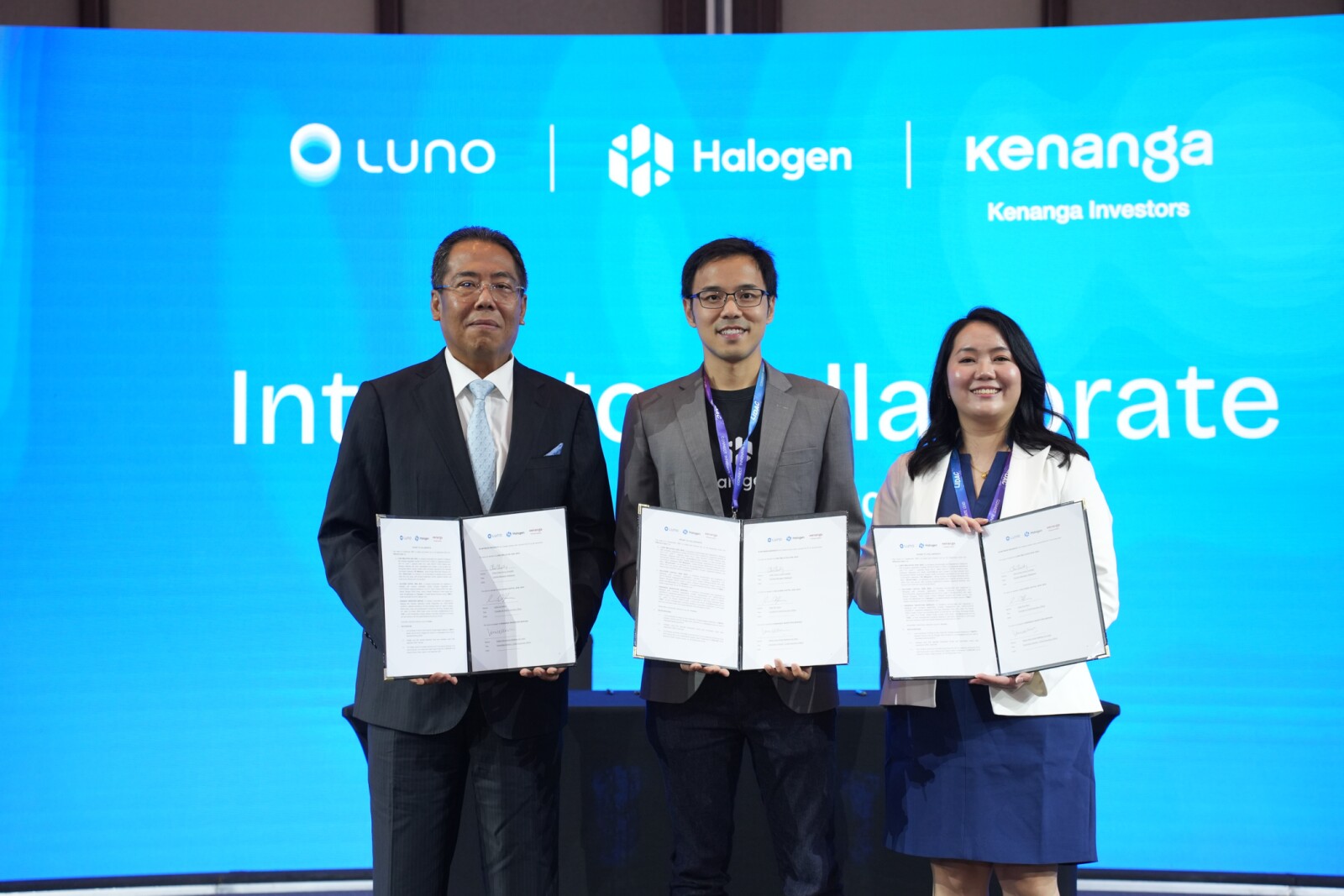
Luno Malaysia, Halogen Capital, and Kenanga Investors are exploring the use of a fully reserved ringgit-pegged stablecoin as an on-chain settlement instrument for tokenized money-market funds.
In a joint statement on Thursday, the three Malaysia-based companies said they reached a strategic partnership for the move.
Under the proposal, a ring-fenced entity within the Luno group would issue the coin, creating and cancelling it against ringgit received or paid out, and handle institutional onboarding.
Halogen Capital and Kenanga Investors would accept UMYR to settle subscriptions and redemptions in their tokenised funds while keeping responsibility for fund management. The arrangement is a closed loop among approved institutional participants, with no retail investors, the companies said.
The project comes as Asian financial institutions experiment with stablecoins and tokenized assets alongside conventional banking rails.
Proposed 1:1 ringgit backing
The aim is real-time “delivery-versus-payment” settlement — the simultaneous exchange of fund units and cash — for subscriptions and redemptions, cutting the delays of conventional settlement, the companies said. UMYR would be pegged one-to-one to the ringgit and backed by ringgit held onshore in a segregated account at a regulated bank, with daily reconciliations and independent third-party attestations.
Luno would mint and burn the token against ringgit received or disbursed, manage institutional onboarding and wallet whitelisting, and conduct daily reserve reconciliations. The companies also plan independent third-party reserve attestations.
Halogen Capital and Kenanga Investors would participate as fund partners, accepting UMYR for subscriptions and redemptions involving their tokenized money-market funds. They would retain responsibility for fund management, unit registries and investor obligations under their existing licenses.
Settlement is the immediate use case
The initiative is designed to test real-time Delivery-versus-Payment settlement for fund subscriptions and redemptions.
Traditional fund settlement involves bank cut-off times, reconciliation steps and settlement windows that can slow the movement of cash and securities. A tokenized settlement instrument could reduce some of those delays if the cash leg and the fund-unit leg can move together on-chain.
The companies are not presenting UMYR as a retail payment token or a general-purpose digital ringgit. The initial design is narrower: a settlement tool for regulated institutional participants operating within a controlled environment.
Three regulated participants
All three companies operate under Malaysia’s Securities Commission. Luno is registered as a Recognised Market Operator for its digital-asset exchange, while Halogen Capital and Kenanga Investors hold Capital Markets Services Licences.
That regulatory context is central to the experiment. Tokenized funds can move ownership records onto digital infrastructure, but settlement still needs a reliable representation of cash, clear reserve arrangements, investor controls and compliance processes.