
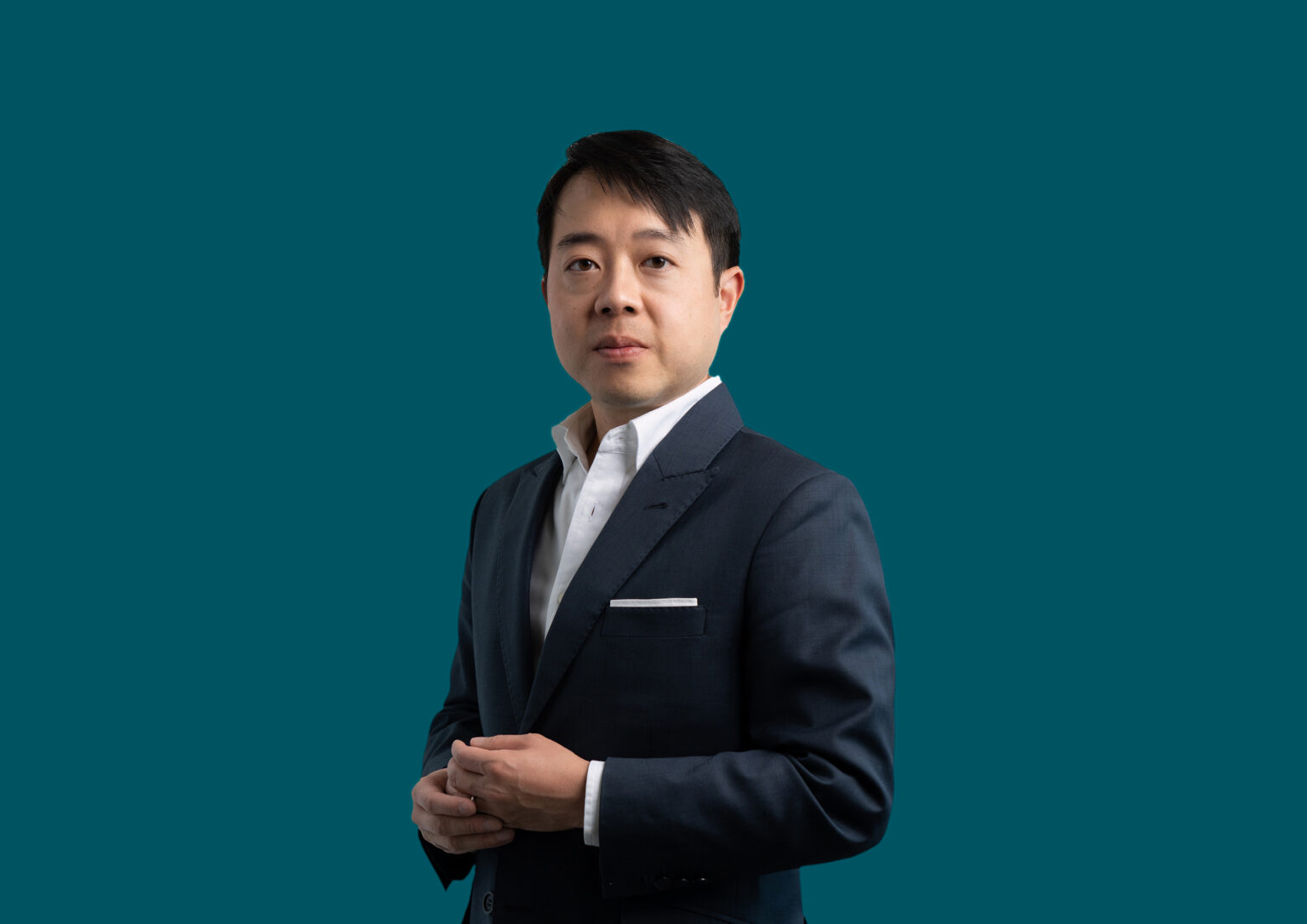

Masumi Waida
Ara Partners has appointed investment management veteran Masumi Waida as chief financial officer, adding an executive with more than 20 years of experience as the industrial decarbonization investor expands a private markets platform that had approximately $10.6 billion in assets under management as of June 30, 2026.
Waida joins Ara from middle-market private equity firm ACON Investments, where he served as CFO. At Ara, he will lead corporate and fund finance, accounting, tax, financial reporting and treasury while overseeing the continued development of the firm’s finance and operations infrastructure.
His appointment comes as Ara scales across three investment strategies — Private Equity, Infrastructure and Energy — focused on different parts of the industrial decarbonization market.
“As we continue to scale our platform, his discipline and depth make him exactly the right person to lead our finance organization,” Managing Partner Troy Thacker said. “Masumi has built and led finance functions at global investment firms through periods of significant growth, and that experience will serve Ara and our investors well.”
Waida’s background includes senior finance positions spanning private equity, alternative investments and complex fund structures.
Before ACON, he was a managing director and CFO of the Mount Kellett Funds at Fortress Investment Group. Earlier, he served as a vice president at Lehman Brothers, where his responsibilities included oversight of private equity and hedge fund products.
That experience gives Ara a finance chief familiar with both firm-level financial management and the accounting, reporting and operational requirements associated with investment funds.
The distinction becomes increasingly important as alternative asset managers grow beyond a single strategy.
Ara was founded in 2017 with a focus on decarbonizing the industrial economy. The firm now invests across middle-market private equity, infrastructure and energy, giving it exposure to businesses and physical assets at different points in the transition toward lower-emissions industrial systems.
Private equity investments can require financial infrastructure tailored to portfolio company ownership and fund structures, while infrastructure strategies may involve longer-duration assets, different financing arrangements and more complex capital deployment schedules. Energy investments introduce another set of operating and reporting considerations.
As those strategies expand, the finance function becomes part of the infrastructure required to manage the firm’s growth rather than primarily a back-office accounting operation.
Waida will be responsible for building that infrastructure across Ara’s platform.
“Ara has built a differentiated platform in an area of the market where capital is genuinely needed,” Waida said. “I’m looking forward to building the infrastructure to support the firm’s next phase of growth.”
Ara’s investment strategy is centered on commercially demonstrated technologies and businesses capable of reducing emissions from industrial activity. The firm also invests in infrastructure supporting adoption of those technologies and in opportunities intended to lower emissions across the conventional energy value chain.
That focus distinguishes the platform from investment strategies centered primarily on early-stage climate technology.
Scaling commercially proven industrial technologies often requires substantial capital for manufacturing facilities, infrastructure and other physical assets. Private equity and infrastructure capital can therefore play different but complementary roles as companies move from demonstrated technology toward broader deployment.
Ara’s three-strategy structure is designed to participate across those opportunities.
The firm’s growth to approximately $10.6 billion in assets under management increases the operational demands associated with managing capital across that structure. Fund accounting, investor reporting, treasury, tax and financial controls all become more complex as an asset manager adds strategies, funds, investments and geographic reach.
For private markets firms, those functions also have a direct relationship with institutional investors. Limited partners increasingly expect sophisticated reporting, operational controls and financial infrastructure alongside investment performance and portfolio expertise.
Waida’s experience building finance organizations at investment firms through periods of expansion is therefore closely aligned with Ara’s current stage of development.
His appointment also reflects the broader institutionalization occurring across climate and energy-transition investing. As decarbonization strategies attract larger pools of private capital, specialist investment managers increasingly require the same financial, reporting and operational infrastructure found at established global alternative asset firms.
Ara now operates from Houston, Boston, Dublin and Washington, D.C., adding an international dimension to those requirements.
Waida holds a Bachelor of Commerce from the University of Alberta and is a Chartered Professional Accountant and Chartered Accountant through the Chartered Professional Accountants of Canada.
For Ara, his arrival strengthens the organizational infrastructure behind an investment platform that has expanded considerably since its founding less than a decade ago.
The firm’s next stage will require managing that scale across private equity, infrastructure and energy while continuing to deploy capital into industrial decarbonization opportunities. Waida’s mandate puts finance, reporting, treasury and fund operations under an executive who has previously managed similar functions across global alternative investment organizations.
As Ara moves beyond its earlier growth phase, the CFO appointment represents another step in building the institutional capabilities required to support a multistrategy private markets firm with more than $10 billion under management.