
The International Finance Corporation (IFC) has committed to collaborating with Tanzania on implementing its National Development Vision 2050, with a focus on enhancing private sector participation in strategic energy and railway infrastructure projects.
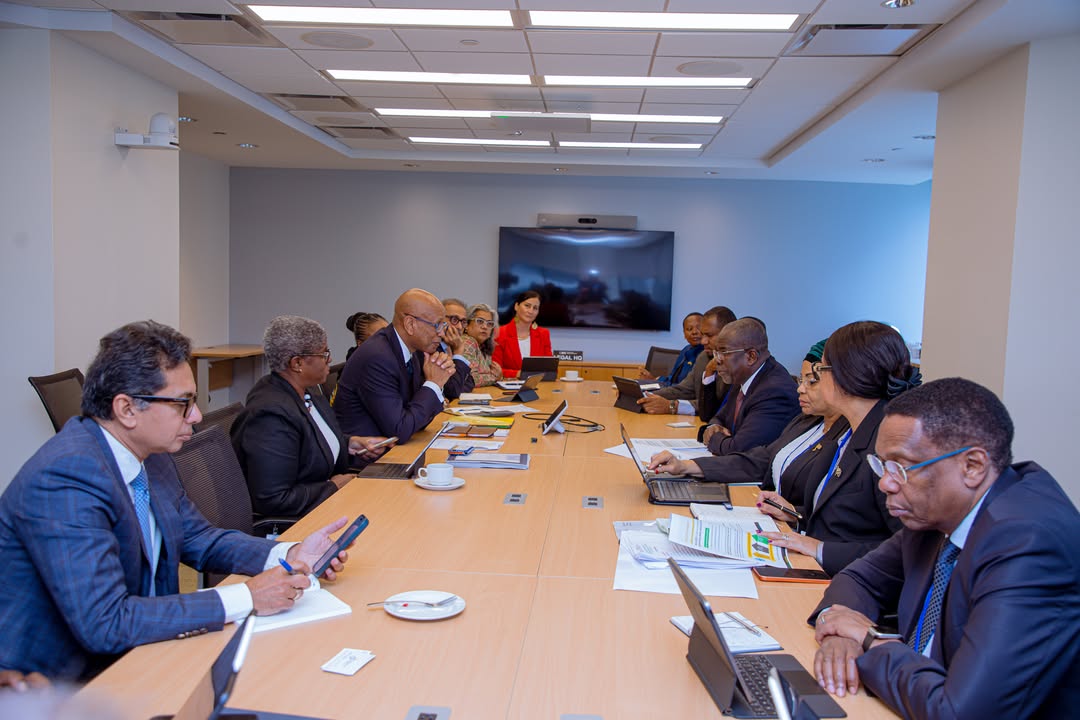
The pledge was announced during high-level discussions between IFC Vice President Ethiopis Tafara and a Tanzanian delegation led by Finance Minister Ambassador Khamis Mussa Omar at the IFC headquarters in Washington D.C. The meeting took place alongside the annual World Bank and International Monetary Fund meetings.
During the talks, the IFC expressed strong support for Tanzania’s initiatives to create opportunities for private sector engagement in its national development agenda. The institution specifically highlighted potential investment areas in electricity generation and distribution, as well as port sector development.
Of particular significance, the IFC stated its willingness to provide direct support for Tanzania’s ambitious Standard Gauge Railway (SGR) project. This support would focus on developing complementary infrastructure along the transport corridor to stimulate economic activity and enhance freight transportation efficiency.
“The IFC’s commitment represents a significant vote of confidence in Tanzania’s economic reform agenda,” said a regional infrastructure analyst who closely follows East African development projects. “With proper implementation, these investments could substantially improve Tanzania’s position as a regional transport and logistics hub.”
Finance Minister Omar detailed the ongoing reform efforts under Tanzania’s Sixth Phase Government, which aim to improve the nation’s business and investment climate. These include comprehensive tax system reforms and enhanced investment incentives designed to increase private sector participation in economic growth while creating more employment and business opportunities for Tanzanian citizens.
“We are implementing strategic reforms to create a more conducive environment for business and investment,” Omar stated during the meeting. “The government recognizes the crucial role that private capital will play in achieving our development goals.”
According to IFC’s financial data, the institution has already invested approximately $197.4 million in Tanzania during the first half of fiscal year 2026 through short-term financing mechanisms aimed at stimulating private sector activity. The IFC’s total exposure in Tanzania now stands at $315.9 million, with 74 percent allocated to financial services and the remaining 26 percent directed toward manufacturing, agribusiness, and other service sectors.
Tanzania’s National Development Vision 2050 aims to transform the country into a middle-income, semi-industrialized economy through strategic investments in key sectors, including infrastructure, energy, and manufacturing. The vision builds upon the earlier Tanzania Development Vision 2025 and emphasizes sustainable economic growth, human development, and good governance.
Economic analysts note that the IFC’s involvement could help address one of Tanzania’s most pressing challenges: the infrastructure financing gap. The Standard Gauge Railway project alone requires billions of dollars in investment, and traditional government funding and sovereign loans have proven insufficient to meet these needs.
The World Bank estimates that East African countries need to invest approximately 8-12% of their GDP annually in infrastructure to close their development gaps, making partnerships with institutions like the IFC increasingly important.
This collaboration comes at a time when many African nations are reassessing their approach to infrastructure financing, seeking more sustainable alternatives to traditional Chinese-backed loans that have raised debt sustainability concerns across the continent.