
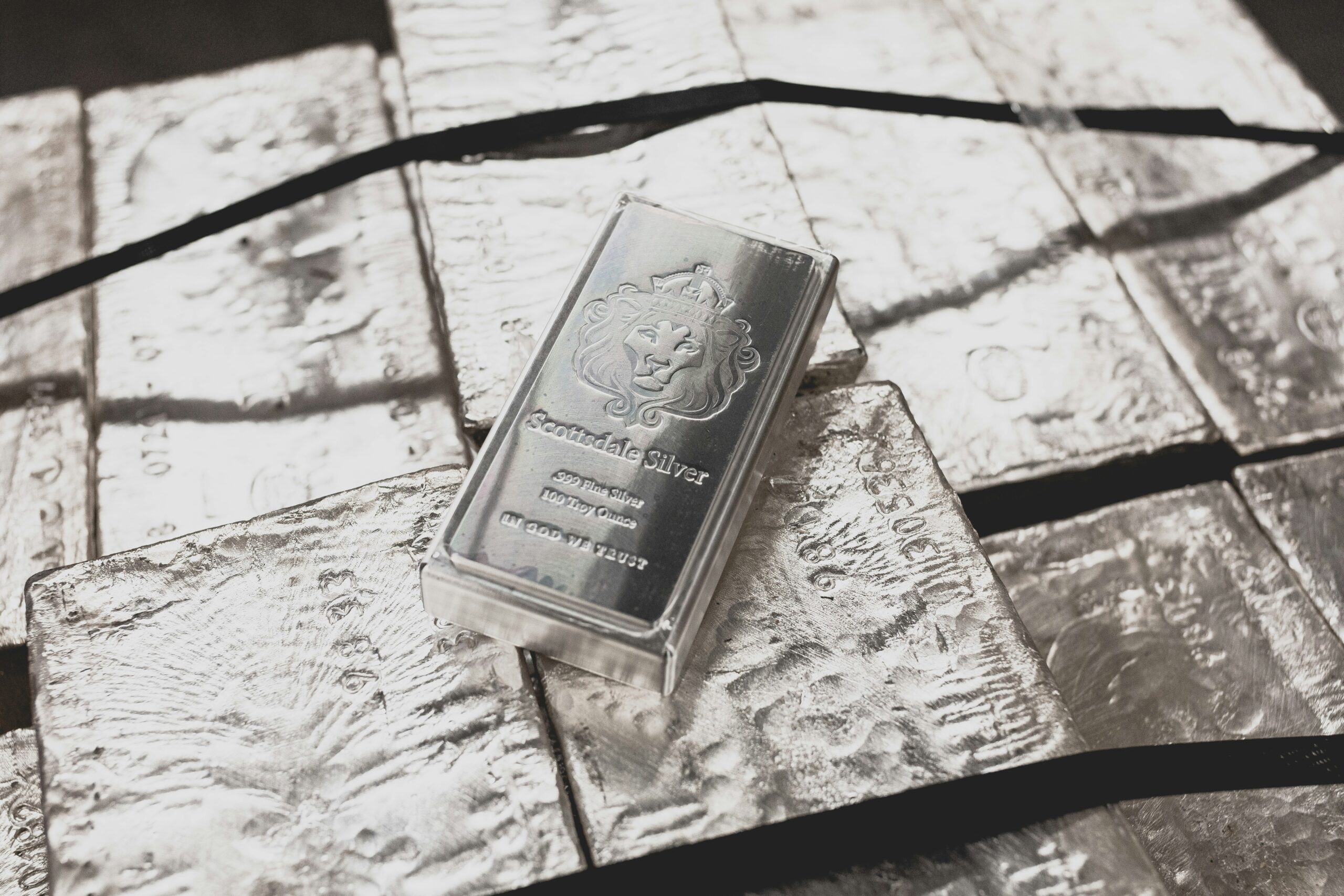
Silver prices fell near $59 an ounce on Monday as renewed US-Iran strikes pushed traders back towards the dollar and out of rate-sensitive precious metals.
The move was part of a wider pullback across the metals complex, but silver’s selloff carried its own pressure points.
Unlike gold, silver is not only a haven asset. It is also an industrial metal tied to solar, electronics and manufacturing demand.
That makes the current setup awkward: geopolitical stress is lifting defensive demand in theory, while higher yields and a firmer dollar are hurting the trade in practice.
Spot silver dropped as much as 2.9% to around $58.14 an ounce, extending a volatile run after last week’s rebound.
The immediate pressure came from the wider market reaction to Gulf tensions, with oil rising sharply, Treasury yields moving higher and the dollar gaining ground.
That combination is difficult for silver. A stronger dollar makes the metal more expensive for buyers using other currencies, while higher yields reduce the appeal of assets that do not pay income.
The result is that silver has struggled to benefit from the safe-haven impulse usually linked to geopolitical shocks.
The market is also treating silver more like a cyclical asset than a pure defensive holding.
That makes it vulnerable when investors worry that higher energy costs could squeeze growth later.
Silver’s longer-term story is not only about rates. Industrial demand remains an important support, especially from solar panels, electrification, electronics and AI-linked infrastructure.
The Silver Institute has said demand from key technology sectors is expected to expand over the next five years as silver’s electrical and thermal conductivity remain difficult to replace.
Physical-market tightness is also visible in India, the world’s biggest silver market.
Import restrictions have created shortages and pushed local premiums to their highest level in six months, even though demand has been softer than usual.
That shows the silver market still has supply frictions that can support prices when investor selling cools.
This does not prevent short-term weakness. But it does mean silver’s downside is not driven by investment flows alone.
Physical availability and industrial consumption remain important parts of the price floor.
The chart still looks fragile. Silver is trading below the $60 psychological level, turning that area into the first hurdle for buyers.
A sustained move back above $60 would improve sentiment and could open the way towards $61.50 and then $63.

Until that happens, rebounds may attract selling. The $58-$58.50 area is the first support zone.
A clean break below it would expose the recent low near $55.60 and confirm that the latest recovery attempt has failed.
For now, silver needs more than geopolitical anxiety to recover. It needs the dollar to soften, yields to cool or physical demand to overpower investor selling.