
HAVANA, July 30 (Reuters) – Cuba announced new details of its plans to open up key sectors of its state-run economy to private industry amid Washington’s campaign of maximum pressure aiming to force an economic transformation on the communist-run island.
Economic changes including easing restrictions on land use, allowing businesses to import fuel and medications, and authorizing private tourist companies to operate on the island were discussed by Cuban lawmakers at a two-day National Assembly that concluded on Thursday.
Cuban President Miguel Diaz-Canel said the reforms were not being implemented to please the U.S. and key sectors of the economy would not be privatized.
“We are not going to implement predatory capitalism or carry out a massive privatization of national assets, as some fear,” he said in a speech on Thursday afternoon.
“There will be no, and this must be made very clear, privatization of healthcare, science, culture, or services that are strategic to the nation.”
CUBA OPENS PARTS OF ENERGY SECTOR AMID U.S. BLOCKADE
Last month, lawmakers unanimously approved a package of 176 measures that, if implemented, would represent a dramatic transformation of the island’s socialist economy in a bid to survive punishing U.S. sanctions.
In the past, Cuba has announced economic reforms only to fail to implement them or roll them back.
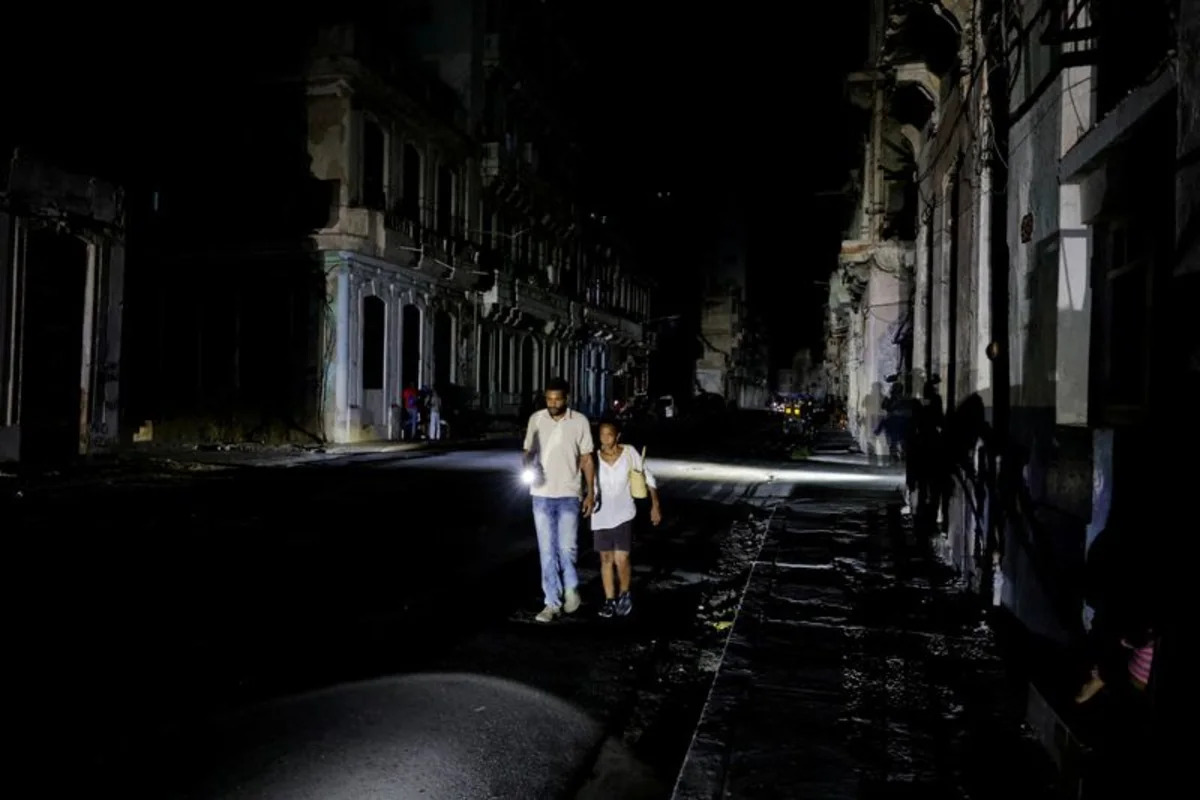
But six months into the crushing U.S.-imposed oil blockade and a cascade of new U.S. sanctions that has sparked fears of a widening humanitarian crisis, Cuban officials said they had already begun to enact at least some of the reforms.
Cuba had authorized the first foreign investment venture to import and sell fuel, and nearly 200 Cuban businesses have already received permission to engage in wholesale fuel distribution on the island, Prime Minister Manuel Marrero Cruz said during the National Assembly on Wednesday.
The cautious opening of Cuba’s energy sector, which the government has tightly controlled for decades, comes after the U.S. imposed a severe oil blockade and authorized U.S. fuel exports to Cuba’s private businesses – a dual-track energy policy aimed at crippling the Cuban state while empowering the private sector.
CHANGES TO AGRICULTURE AND TOURISM AIM TO REVITALIZE SECTORS
Lawmakers on Wednesday approved a new agriculture law to streamline the procedures for granting the right to use state-owned land. The new framework would apply both to Cubans and foreigners, as well as private Cuban businesses. About 80% of the land on the island is owned by the government, while the remaining 20% belongs to private producers.