
“With the RM100, my daughter used it as capital to start a small dessert business during her semester break.”
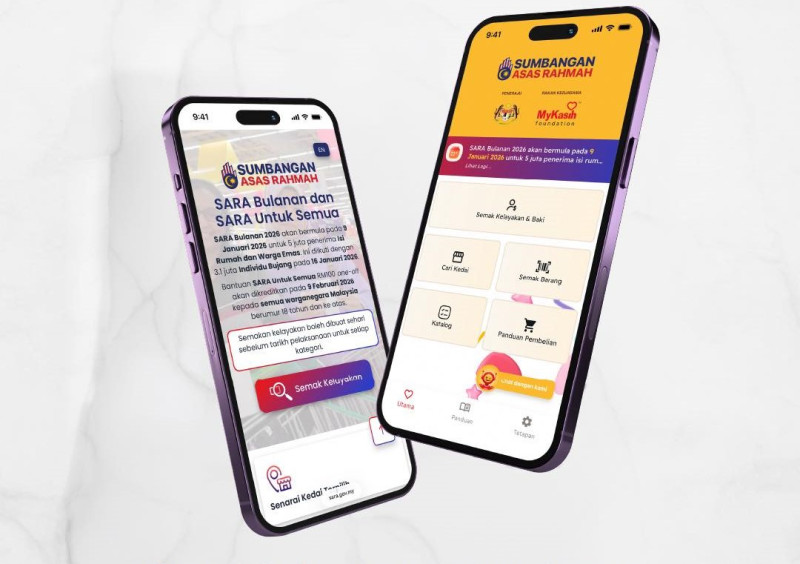
That was the heartfelt account of a mother on social media, detailing how her daughter turned the Sumbangan Asas Rahmah (SARA) RM100 cash aid into a modest but meaningful venture.
The mother herself only paid for the packaging – the rest of the ingredients, from biscuits and condensed milk to cocoa powder, were bought using the government assistance.
The story went viral, drawing praise and even offers of additional capital from fellow citizens who had received the aid but felt others needed it more.
While some have dismissed the RM100 as mere “crumbs”, this account presents a different narrative – one where that “small” sum becomes a tool of empowerment, a starting point for economic activity, however humble.
Indeed, where some see the SARA RM100 as bait, others have turned it into a hook – or even a full meal. Its value lies in the eyes, and hands, of its recipient.
For some families, the aid means food on the table when pockets are empty. For others, it’s a means to stock up on groceries, fulfil a long-postponed wish for the children, or even give back to others. Social influencers and politicians alike have used the money to help those in deeper need.
The SARA RM100 scheme is a mirror reflecting the rich diversity of lived experience in Malaysia – from hardship and ingenuity to generosity and resilience.
What’s perhaps less visible, but equally important, is its broader economic impact. As of early September, over 11.8 million Malaysians had utilised the aid, with spending totalling RM745.7 million nationwide. Many purchases involved goods from local micro, small, and medium-sized enterprises (MSMEs), stimulating demand and production, especially in rural economies.
This aligns with a recent analysis by BIMB Securities Research, which suggested that what began as short-term relief has evolved into a form of long-term socioeconomic therapy. The study also predicted that such direct cash assistance is likely to continue as a policy tool to support domestic consumption over the next half-decade – a hedge against global economic uncertainty.
Simply put, spending the RM100 may seem trivial at an individual level, but collectively, it’s fuelling grassroots economic activity and social resilience.
There’s still time to redeem the aid – the programme runs until 31 December. Recipients are encouraged to plan ahead and avoid a last-minute rush, especially following the chaotic scenes that unfolded when the redemption system first launched.
What may be viewed as a small contribution from the government could, in truth, become a significant contribution by the people – to their families, their communities, and the national economy. – September 10, 2025