
Close Menu
Aspire Market Guides
  • Home
  • Alternative Investments
  • Cryptocurrency
  • Economics
  • Equity Investments
  • Mutual Funds
  • Real Estate
  • Trading
What's Hot

Former Hedge Fund Manager Plotkin Plots ETF

April 29, 2026

Has the United States bent the health care cost curve?

April 29, 2026

Robinhood’s Q1 2026 cryptocurrency performance has significantly declined, maintaining positive growth in trading revenue through predicted market income

April 29, 2026
Facebook X (Twitter) Instagram
Trending:
  • Former Hedge Fund Manager Plotkin Plots ETF
  • Has the United States bent the health care cost curve?
  • Robinhood’s Q1 2026 cryptocurrency performance has significantly declined, maintaining positive growth in trading revenue through predicted market income
  • I Squared Capital Acquires Elea Data Centers To Expand Brazilian Digital Infrastructure Platform
  • Trio-Tech Raises Capital via Registered Direct Equity Offering
  • Pokemon Card Show Strikes Back at Scalpers with Long-Awaited Ban
  • SIPs, slumps and the AMC machine – The Daily Brief by Zerodha
  • PhosCo hits high-grade copper, antimony, silver and zinc at King’s Eye in Tunisia
  • From Halifax to national policy: How Peter Mackenzie MAE’20 found his path in economics
  • Corn Rallies with Wheat on Tuesday – InteractiveCrypto
Wednesday, April 29
Facebook X (Twitter) Instagram
Aspire Market Guides
  • Home
  • Alternative Investments
  • Cryptocurrency
  • Economics
  • Equity Investments
  • Mutual Funds
  • Real Estate
  • Trading
Aspire Market Guides
Home»Economics»Has the United States bent the health care cost curve?
Economics

Has the United States bent the health care cost curve?

By CharlotteApril 29, 20263 Mins Read
Share
Facebook Twitter Pinterest Email Copy Link


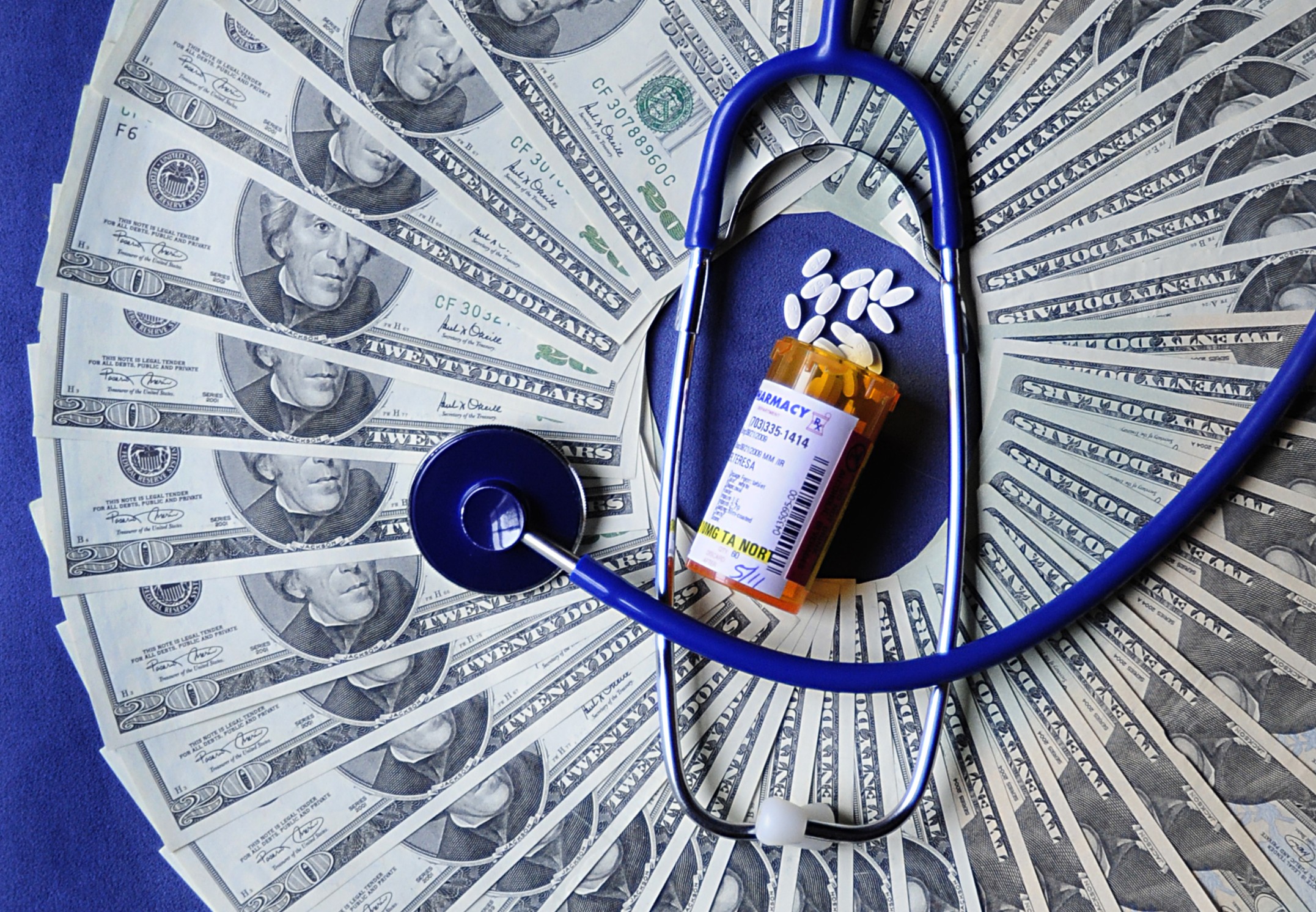
The growth of health care spending in the United States seems to have permanently slowed thanks in part to technological advances making medical treatments cheaper and more effective, according to a paper discussed at the Brookings Papers on Economic Activity (BPEA) conference on March 27.

The United States spent more than $5 trillion on medical care in 2024, or 18% of its gross domestic product (GDP). That’s up a bit from 17.2% of GDP in 2010, but far below the 21.2% share of GDP—nearly $1 trillion less—forecast by government actuaries in 2010.

“The slowdown in medical spending growth is not only large substantively, it is unprecedented historically,” write the authors, David M. Cutler and Lev Klarnet of Harvard University. “Since … 1960, no 14-year period has seen as slow growth of medical spending relative to GDP as was realized over the 2010-2024 time period.”

The authors explore reasons for the slower growth and “conclude that the United States has bent the health care cost curve, though not as much as it could be or will need to be bent.”

Price declines in some areas, such as for medical imaging and the shift to generic drugs from brand-name drugs, explains some of the slower growth. Also, the use of some medical technologies (such as advanced imaging and new drugs) has stopped increasing.

In particular, the authors highlight a shift in the impact of technological change. In the past, new technologies usually increased costs (for example, a new kind of chemotherapy to treat cancer) and were often of limited efficacy. But, as technology improves to make treatments better and cause fewer side effects, it not only improves health, it also lowers costs. Examples of cost-saving technological change include a shift to outpatient surgery from inpatient surgery and the wider diffusion of drugs that prevent costly illnesses, such as statins to reduce cholesterol.

“Treatments that are less difficult on the body turn out to be less difficult on the wallet,” Cutler said in an interview with the Brookings Institution.

The authors conclude that health care spending will continue on its slower-growth trajectory because the nature of technological innovations is different now than in the past. But they warn that more changes will almost certainly be needed to bring U.S. medical spending closer to the roughly 12% of GDP spent in other advanced economies.

“Medical spending is still higher in the United States than elsewhere, and health outcomes do not appear to justify that additional expense. … And … even people who are insured find it increasingly difficult to access care,” they write.

“There is still a lot of care that, clinically, doesn’t need to be done,” Cutler said in the interview. “The administrative costs of health care are absurd, and we don’t use AI enough. We could lower costs a lot and make life better for doctors and patients,” Cutler said in the interview.


Source link

Related Posts

Economics

From Halifax to national policy: How Peter Mackenzie MAE’20 found his path in economics

April 29, 2026
Economics

Make intro macroeconomics the prerequisite for SPIA, not intro microeconomics

April 29, 2026
Economics

MPA Graduate Student Zane Zupan Named ASPA Founders’ Fellow

April 28, 2026
Economics

Bitcoin Price Falls Below $77,000 Amid Macroeconomic Risks

April 28, 2026
Economics

LATTC and other trade schools grow in popularity as AI boom reshapes job market, economy

April 28, 2026
Economics

This Economy is a Mixed Bag

April 28, 2026
Add A Comment
Leave A Reply Cancel Reply

Editors Picks

Former Hedge Fund Manager Plotkin Plots ETF

April 29, 2026

Has the United States bent the health care cost curve?

April 29, 2026

Robinhood’s Q1 2026 cryptocurrency performance has significantly declined, maintaining positive growth in trading revenue through predicted market income

April 29, 2026

I Squared Capital Acquires Elea Data Centers To Expand Brazilian Digital Infrastructure Platform

April 29, 2026
SUBSCRIBE TO OUR NEWSLETTER

Get our latest downloads and information first. Complete the form below to subscribe to our weekly newsletter.


I consent to being contacted via telephone and/or email and I consent to my data being stored in accordance with European GDPR regulations and agree to the terms of use and privacy policy.

Featured

Classic Album Review: The Secret Machines | Ten Silver Drops

April 21, 2026

RBC Capital Markets adds CDS and electronic trading heads

April 27, 2026

Badawi Outlines Five-Year Infrastructure Plan to Reduce Imports

April 24, 2026
Monthly Featured

Top 10 mutual funds to invest in April 2026

April 15, 2026

Best Ordinals Wallets 2026: Top 10 for Bitcoin NFTs, BRC-20 & Runes

April 20, 2026

Nine homes near Waltham refused on the grounds of being in the open countryside

April 8, 2026
Latest Posts

Former Hedge Fund Manager Plotkin Plots ETF

April 29, 2026

Has the United States bent the health care cost curve?

April 29, 2026

Robinhood’s Q1 2026 cryptocurrency performance has significantly declined, maintaining positive growth in trading revenue through predicted market income

April 29, 2026
SUBSCRIBE TO OUR NEWSLETTER

Get our latest downloads and information first. Complete the form below to subscribe to our weekly newsletter.


I consent to being contacted via telephone and/or email and I consent to my data being stored in accordance with European GDPR regulations and agree to the terms of use and privacy policy.

© 2026 Aspire Market Guides.
  • Contact us
  • Privacy Policy
  • Terms and Conditions

Type above and press Enter to search. Press Esc to cancel.

SUBSCRIBE TO OUR NEWSLETTER

Get our latest downloads and information first.

Complete the form below to subscribe to our weekly newsletter.


I consent to being contacted via telephone and/or email and I consent to my data being stored in accordance with European GDPR regulations and agree to the terms of use and privacy policy.