
Overcoming obstacles to break through strongly
In the first 6 months of 2026, Vietnam’s economy faced a lot of external pressure such as geopolitical tensions, energy costs, logistics and the risk of supply chain disruption. However, GDP in the second quarter increased by 8.39%; in general, the 6 months increased by 8.18% compared to the same period.
Mr. Nguyen Minh Tuan – CEO of AFA Capital – said that the GDP growth in the first half of the year is a high growth rate compared to about 10 years ago. Many economic experts believe that Vietnam’s continued maintenance of macroeconomic stability is a “anchor” to help the economy overcome the opposite winds, especially shocks in energy, logistics and input costs in the context of geopolitical tensions, conflicts in the Middle East and potential risks of disruption in the global supply chain.
According to experts, this stable foundation helps the Government maintain space and a safe buffer zone to accelerate in the last 6 months of the year. This is also a factor to strengthen investor confidence, attract capital flows and welcome the shift of the supply chain to Vietnam.
FDI and businesses continue to be bright spots
A notable movement in the first half of the year is foreign investment capital. Total registered FDI capital in the first 6 months reached more than 34.6 billion USD, an increase of 61% compared to the same period in 2025. Implemented FDI capital reached 13.03 billion USD, an increase of 11.2% and the highest level in the first 6 months of the year in the period from 2022 to now.
From the perspective of the Korean business community in Vietnam, Mr. Hong Sun – Honorary Chairman of KOCHAM – said that the picture of production and export in the first two quarters of 2026 can be summarized by the phrase: “Accelerate to overcome obstacles to make strong breakthroughs”.
According to Mr. Hong Sun, the Korean FDI sector has been and is making the most of the macroeconomic recovery momentum of Vietnam to bring export output to new milestones.
“KOCHAM always maintains an objective but extremely optimistic view of the Vietnamese economy. Korean businesses no longer see Vietnam as a low-cost processing factory, but have been and are seeing it as a global strategic base for sustainable development” – Mr. Hong Sun shared.
These movements also show that the requirements set out in Resolution 10-NQ/TW on economic development with foreign investment capital are having more practical basis: Attracting FDI is not only in capital scale, but also in quality, connectivity and Vietnam’s role in the global value chain.
Along with FDI capital flows, the recovery of the business sector is also a bright spot. In the first 6 months of the year, the whole country had nearly 111,700 newly established businesses and more than 58,100 businesses returning to operation. The total number of businesses joining and rejoining the market reached more than 169,800 businesses, an increase of 11.2% compared to the same period last year.
Experts believe that the reform, substantive “repressure” and removal of bottlenecks have initially created more confidence in the investment and business environment. Along with that, fiscal policy is administered in a reasonable, focused, and key direction.
Tax and fee exemption and reduction policies and solutions to remove difficulties in the process of implementing new policies have contributed to reducing pressure on businesses, consolidating trust and creating more room for localities and businesses to strive to achieve growth targets in the last 6 months of the year.
More impetus from industry, services and public investment
In addition to FDI and the business sector, drivers from industry, construction, services and tourism are also expected to continue to support growth in the second half of the year.
Mr. Nguyen Minh Tuan – CEO of AFA Capital – said that industry – construction and services can be visualized as two engines that help the “Vietnamese economic aircraft” take off. In the second half of the year, these two engines need to continue to promote their role when public investment supports industry – construction, while tourism, transportation, accommodation, food, wholesale, and retail contribute to the service sector.
In fact, tourism continues to recover positively. Vietnam welcomed about 12.3 million international visitors in the first 6 months of the year, an increase of 14.9% compared to the same period last year. The recovery of tourism not only directly contributes to the service sector but also creates a spillover effect on transportation, accommodation, food, commerce and many related industries.
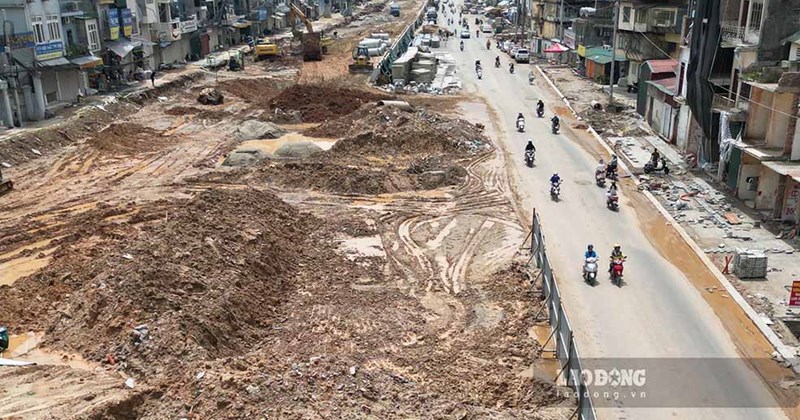
Along with that, public investment continues to be an important driving force. Mr. Nguyen Minh Tuan said that the Government has correctly identified the role of public investment in recent years, especially the concentration of capital on national strategic infrastructure projects in 2026, thereby both creating capital bait, creating infrastructure foundations and leading other capital flows in society.
Experts assess that the high growth target in the second half of the year is ambitious but well-founded as Vietnam maintains macroeconomic stability, FDI increases positively, business confidence is strengthened, public investment continues to be promoted and drivers from industry, services, tourism, and exports are recovering more clearly.